Expectations of Email Etiquette

Re: Expectations of Email Etiquette

Dear Students,

Email is one of the most common means of textual communication in the professional world, and it requires a higher degree of etiquette than social media or text messaging. Over the past few years I have received many emails from students that were written in an unprofessional manner.  As a professor I feel a responsibility to prepare my students for the professional world, so I have decided to implement an official policy on email etiquette in all of my courses.  If I receive an email from a student that I deem to be problematic in some way, I will send a link to this message and request revision.  Please adhere to the following standards of etiquette when corresponding with me by email this semester:

– Please use a subject line that is meaningful and relevant to your message.

– Please begin your message by addressing me directly.  When I receive an email from a student, I expect something to the effect of “Dear Professor” or “Hello Professor”.   When a message is missing this crucial element it can seem impolite.  Launching immediately into the body of your message, or beginning simply with “Hey,” or “Hi,” is not up to professional standards.

– Before sending, please re-read and edit your message to ensure that it is clearly written and grammatically correct.

– Emails should end with a closing of some kind. It is suitable to end your messages with “Thanks” and your name, or “Sincerely” and your name, or if you’re in a hurry, at least include your first name or initials to indicate the conclusion of your message.

Thanks in advance for adhering to these guidelines.

Best regards,
Professor Meiser

Joe Meiser
Assistant Professor of Art in Sculpture
Department of Art & Art History
Bucknell University
Lewisburg, PA 17837
studio phone: 570.577.3044
website: http://www.joemeiser.com


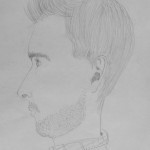
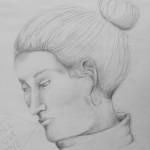
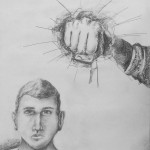
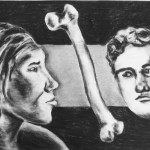
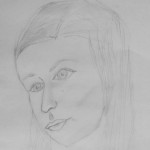
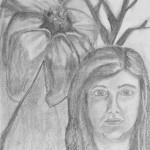
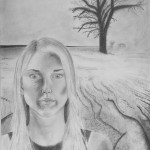
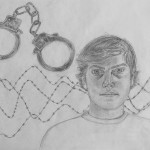
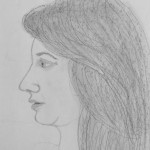
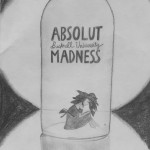
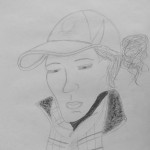
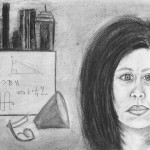
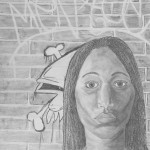
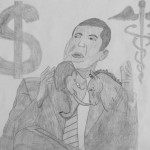
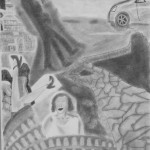
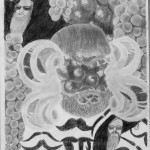
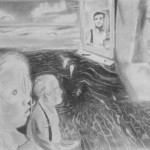
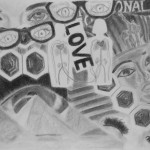
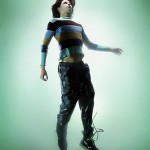
self portrait in an antithetical context

Step 2:

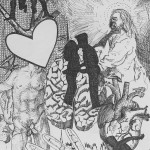
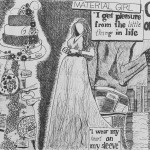
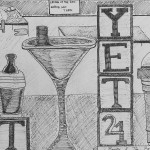
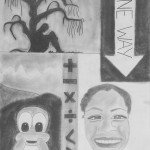
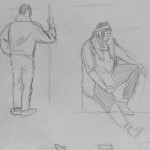
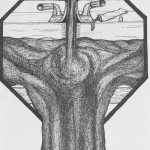
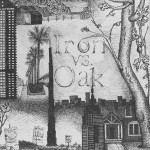
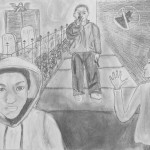
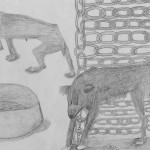
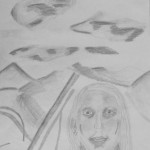
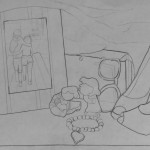
Create five detailed sketches of five distinctly different solutions for your self portrait’s antithetical background.  (Please add these sketches to your research binder.)

Why we create sketches: Preparatory sketches can help you plan your project on a small scale before you commit the time and energy to create the project on a larger scale.  Sketches are a very fast means of “testing” possibilities.  Sketching enhances creative thinking, and this frequently helps one find innovative and novel solutions to problems.  This component is important because the quality of our ideas will have a dramatic impact on the quality we are able to produce in our finished product.  When we generate ideas, our first idea is usually not the best idea that we could possibly conceive.  Most often, our ideas will continue to improve as we consider a variety of possibilities and think about things from a range of perspectives with a flexible and open attitude.  Creative insight does not typically hit a person like a thunderbolt; it usually emerges gradually, through the persistent, patient, tenacious mulling over of an idea or question.
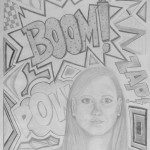
Step 3:

Select the sketch that you think will work best for your antithetical background, and then write a paragraph to explain what this background will communicate about you.  The writing assignment is meant to help you clarify your thinking in order to establish more direction with the execution of your drawing. Please post your writing on the class website in the “writing assignments” category.

Why we write about our ideas: Every decision that you make in the planning and execution of a work of art has meaningful implications.  When one begins a project by thinking about what they want to accomplish in the end, this enables them to have more control over the final meaning in their work, AND it provides one with a useful tool for editing their work during the process of creating.  While one could employ many methods for thinking critically, writing is especially helpful for developing this skill because it forces one to be precise and clarify ideas.
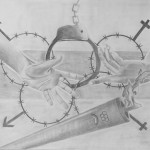
Step 4:

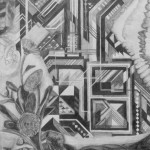
Add the background to your drawing.  As we’ve been discussing all semester, it is important to have visual references because doing so will provide you with a source of complexity and visual interest for your work.  Print visual references from online sources, gather real objects to look at, or create a collage– whatever will work best for you.  By Thursday, 11/8, I expect that you’ll have your background roughed out with the major forms established. You’ll have time next week to add a full range of value and develop the details.
Published
Categorized as News

Research Binder Midterm Checklist
You won’t submit these items until the end of semester, but it would be intelligent to go ahead and organize your materials in a safe place so that you’ll have them when they’re due.  When your research binder is eventually graded, the professor will refer to the class website to find the materials that you’ve posted there.

Art report posted to class website by September 6

20 thumbnail sketches created for the Composition Strategies assignment

Collage created as a visual reference for the first long-session project

Revisionist Storytelling research steps:

200-300 word writing assignment

At least five thumbnail sketches

Why art matters

by Anthony Bond OAM

I strongly believe that art can sometimes change the way we look at the world. It is all too easy to ridicule the preposterous claims often made for art in catalogue essays , however I reject the view that art merely excites aesthetic pleasure and should attempt nothing else. I have a strong commitment to the fundamental importance of aesthetic quality in art, but for me it is the means and not the end. I believe that art has to be grounded in the real world and enhance our understanding of ways of seeing…. click here to read more


Published
Categorized as News