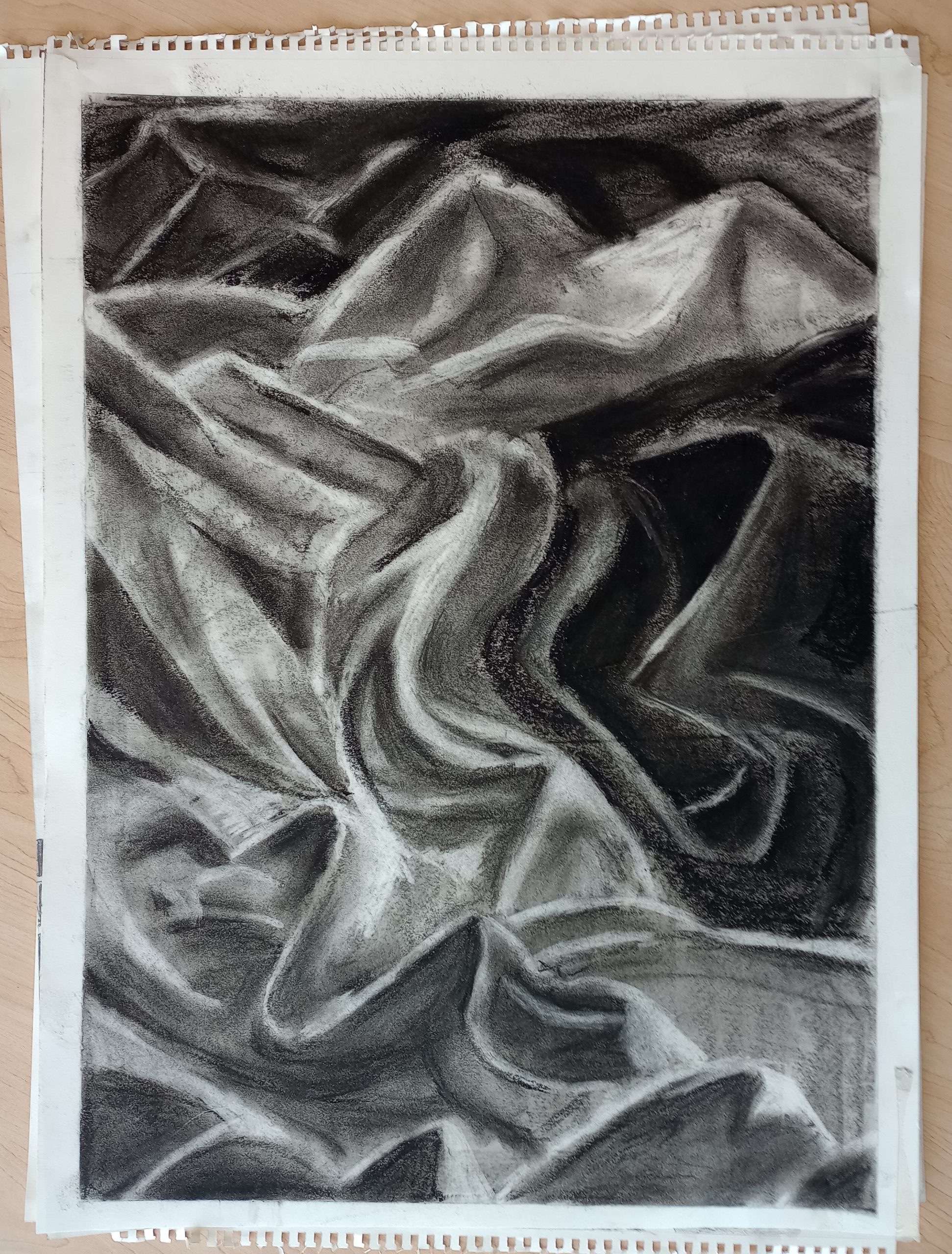
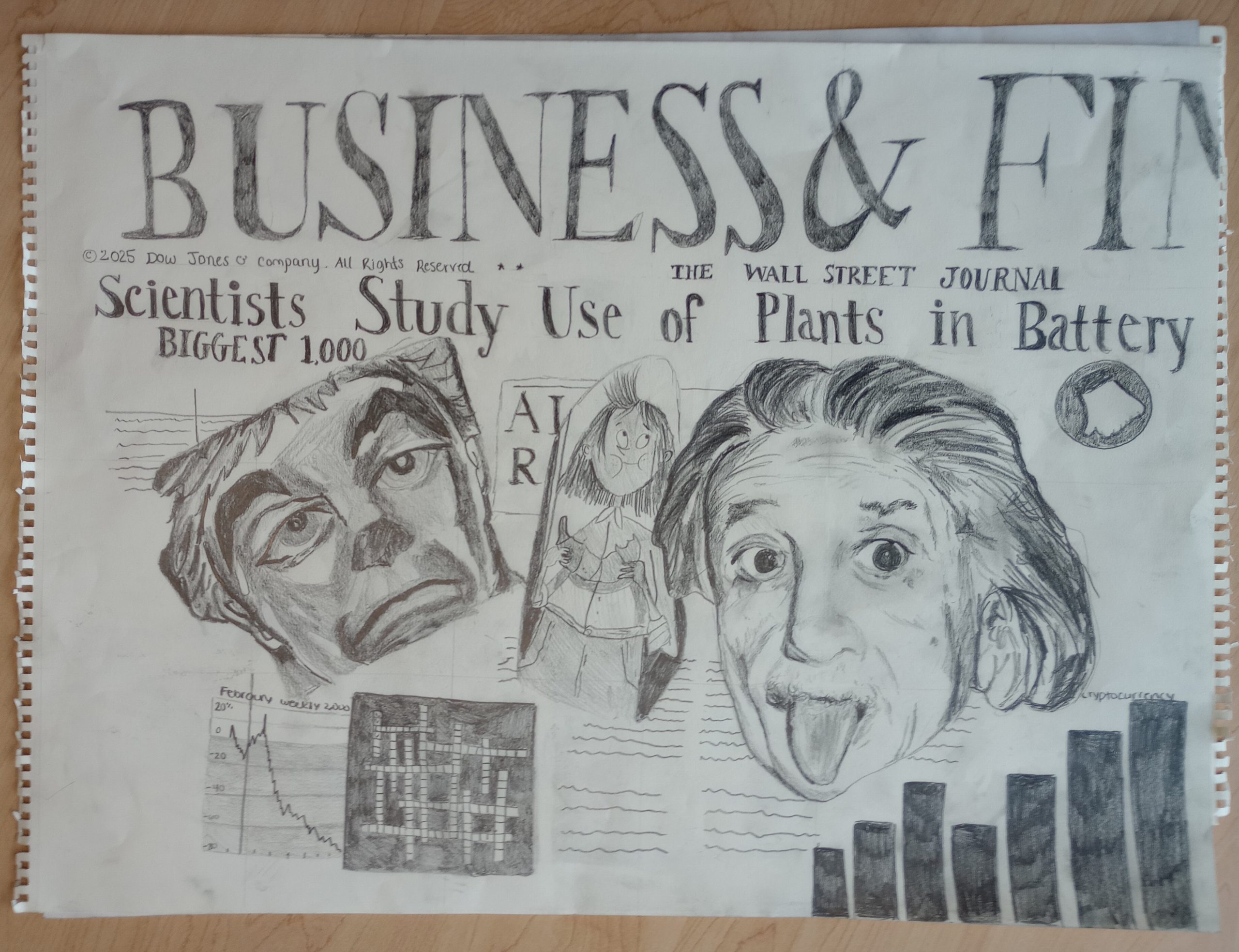
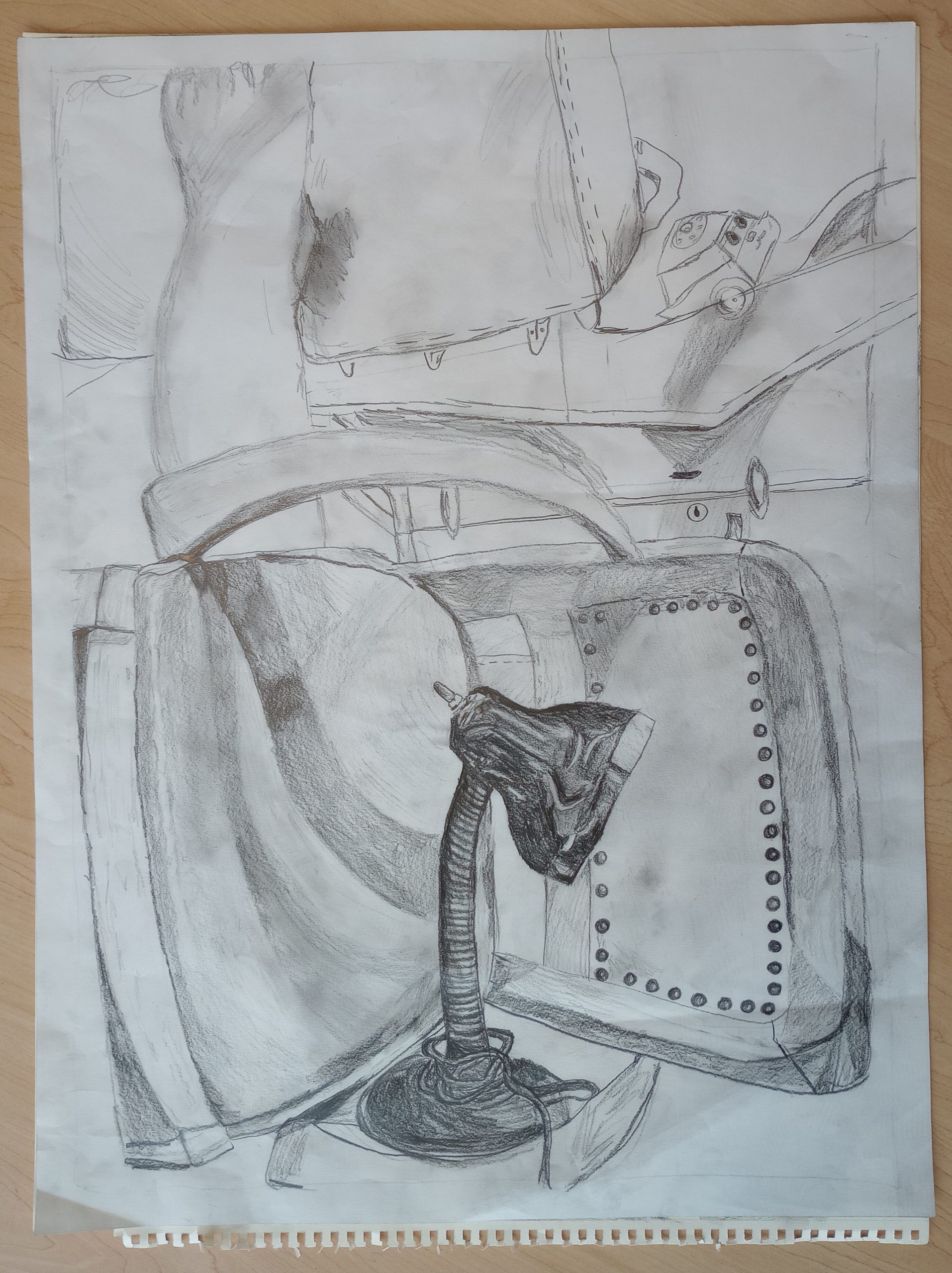
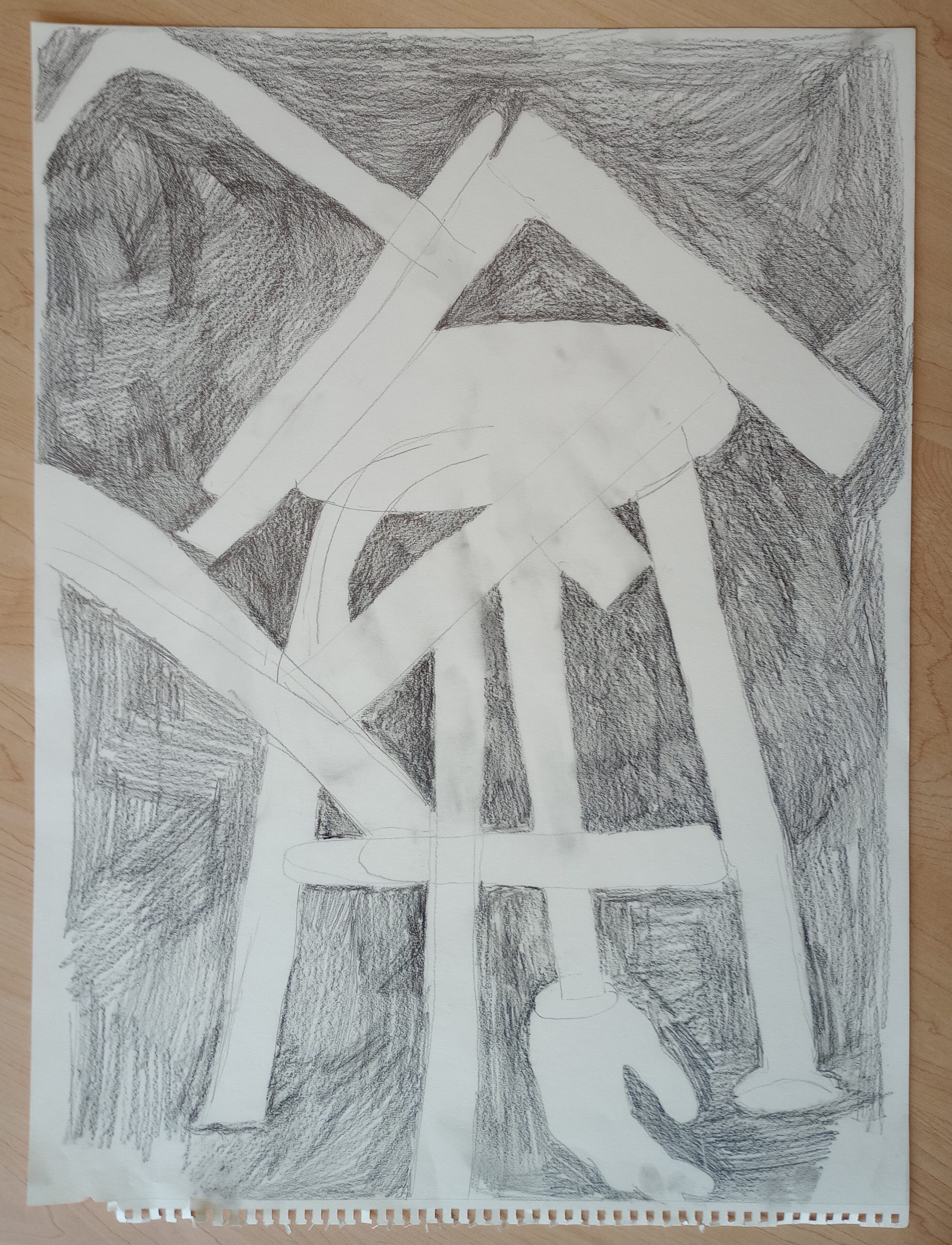
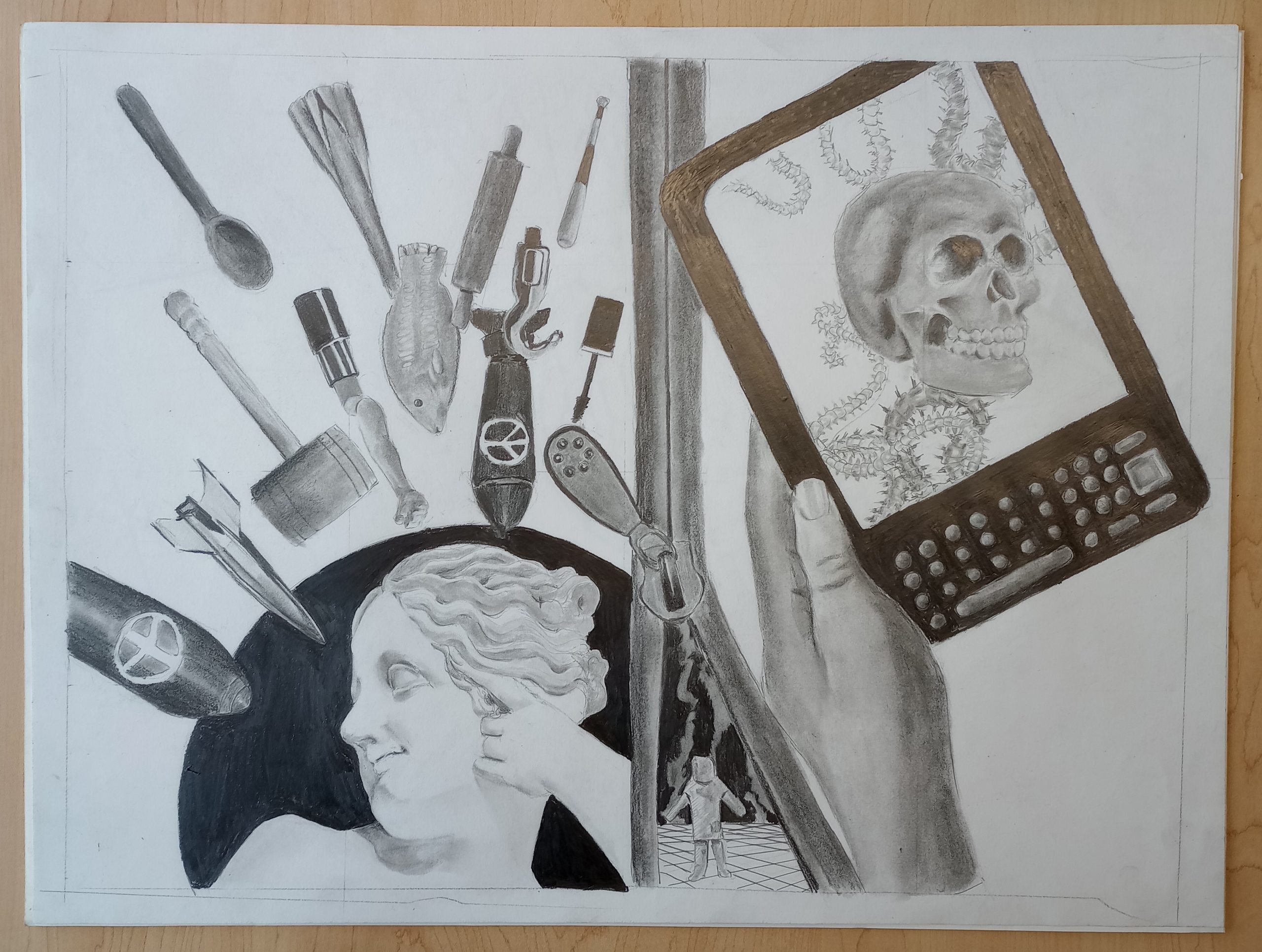
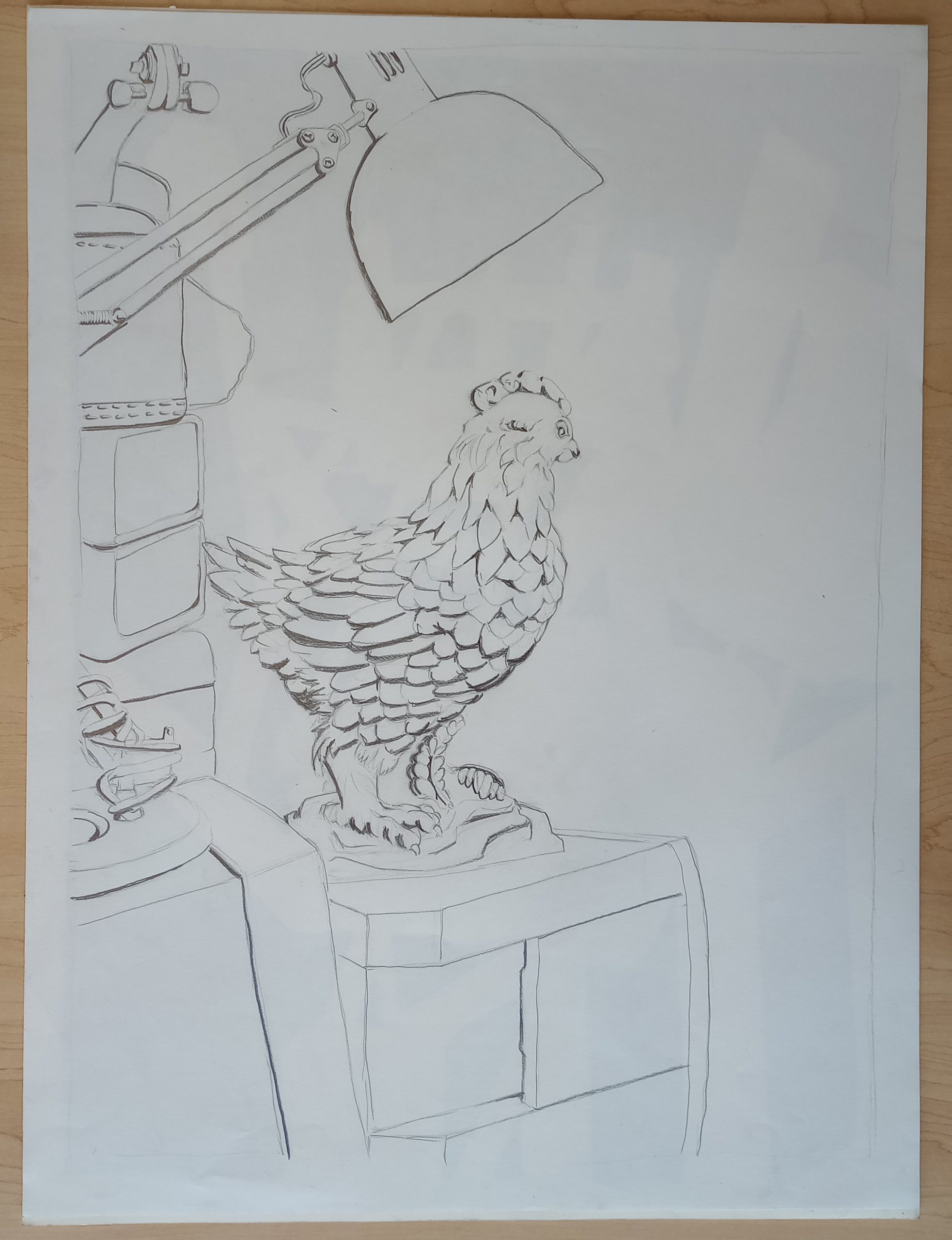
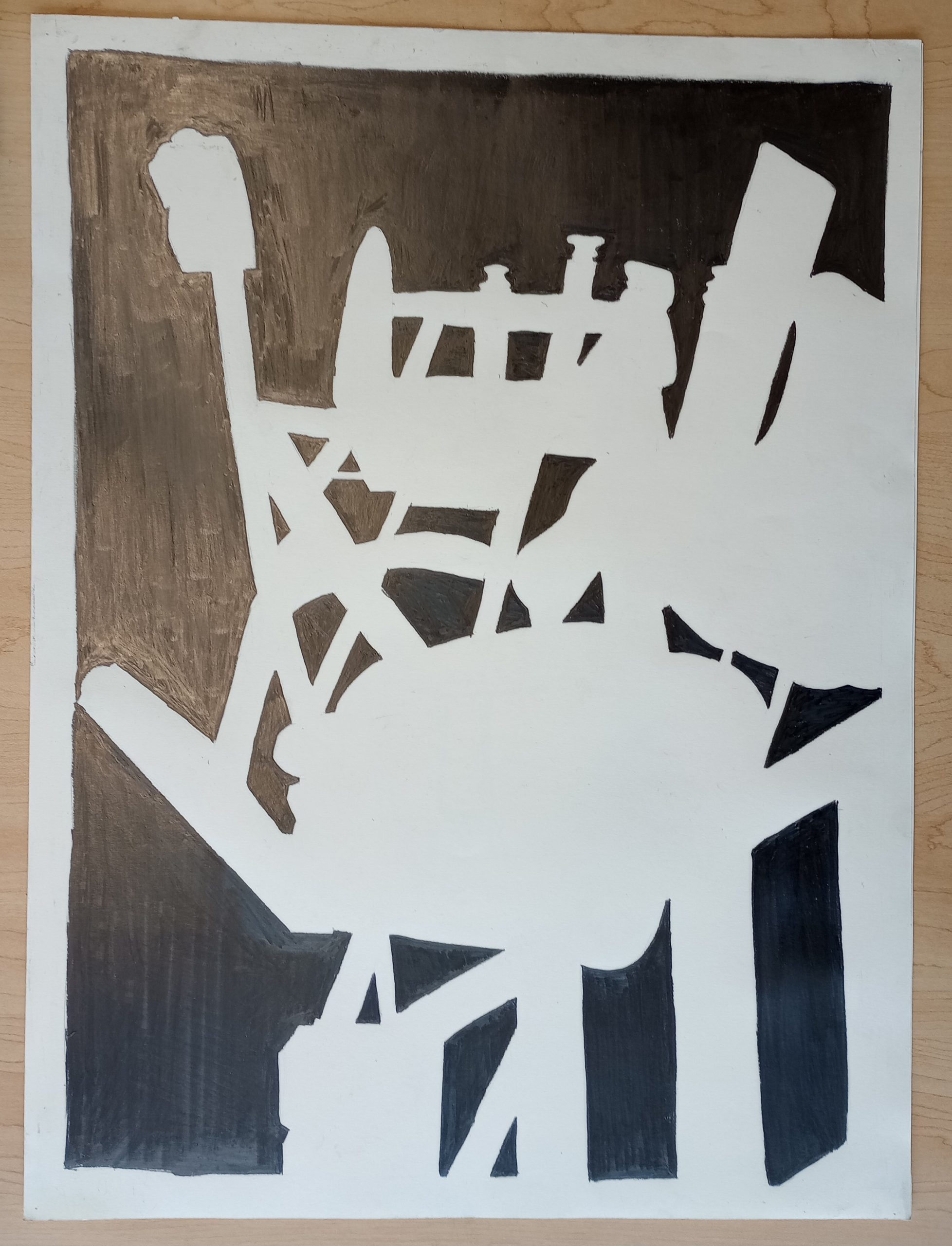
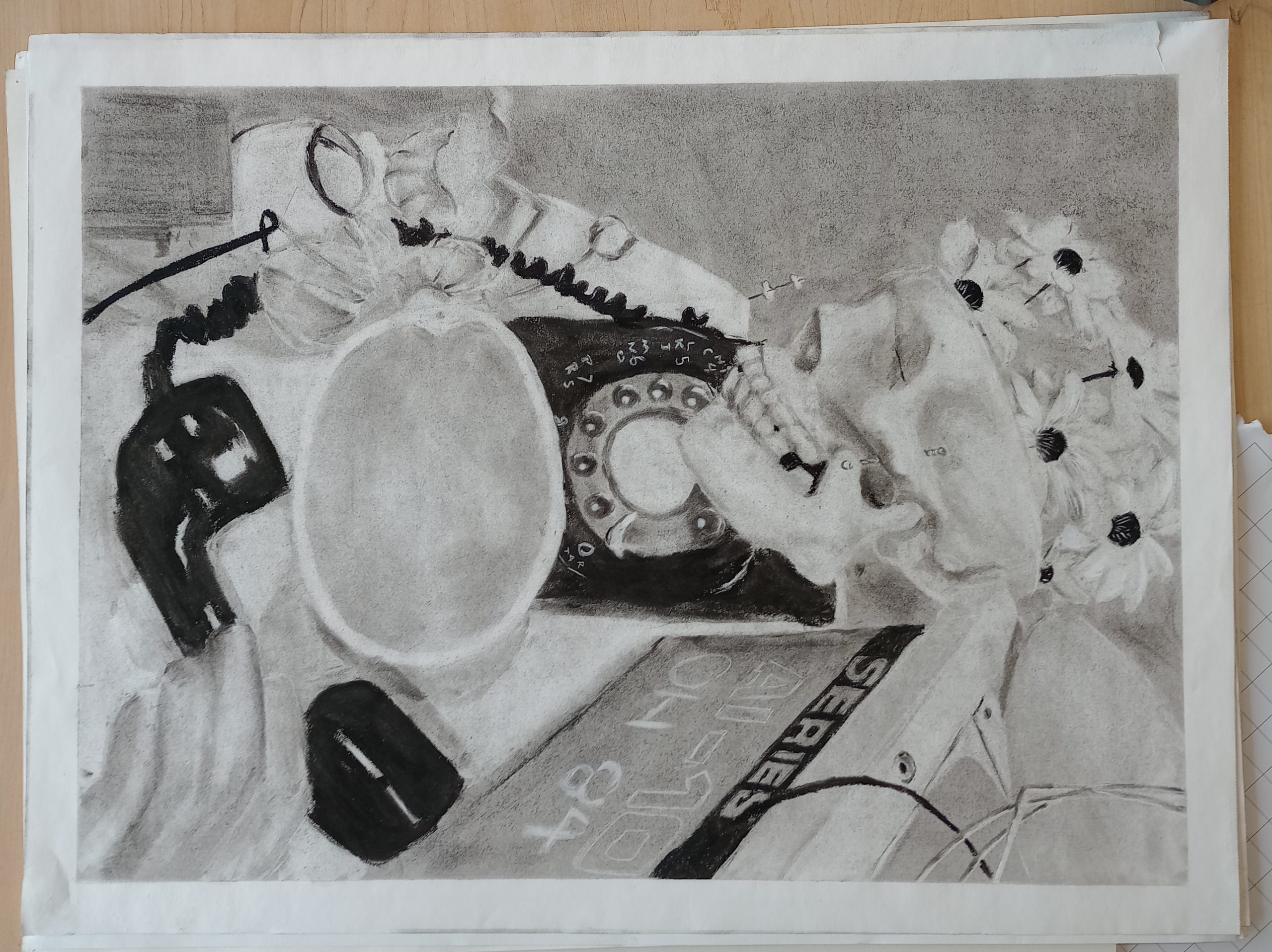
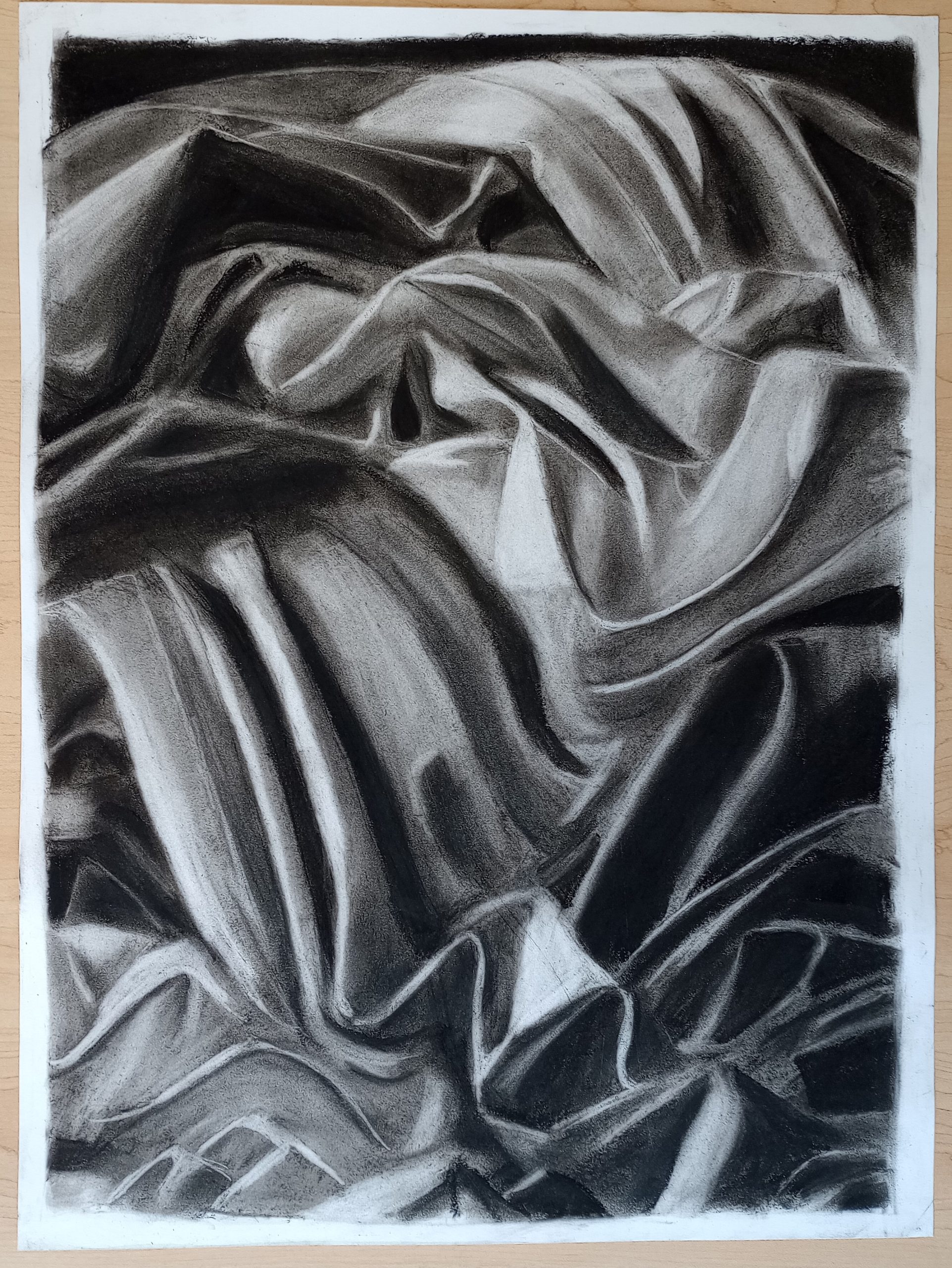
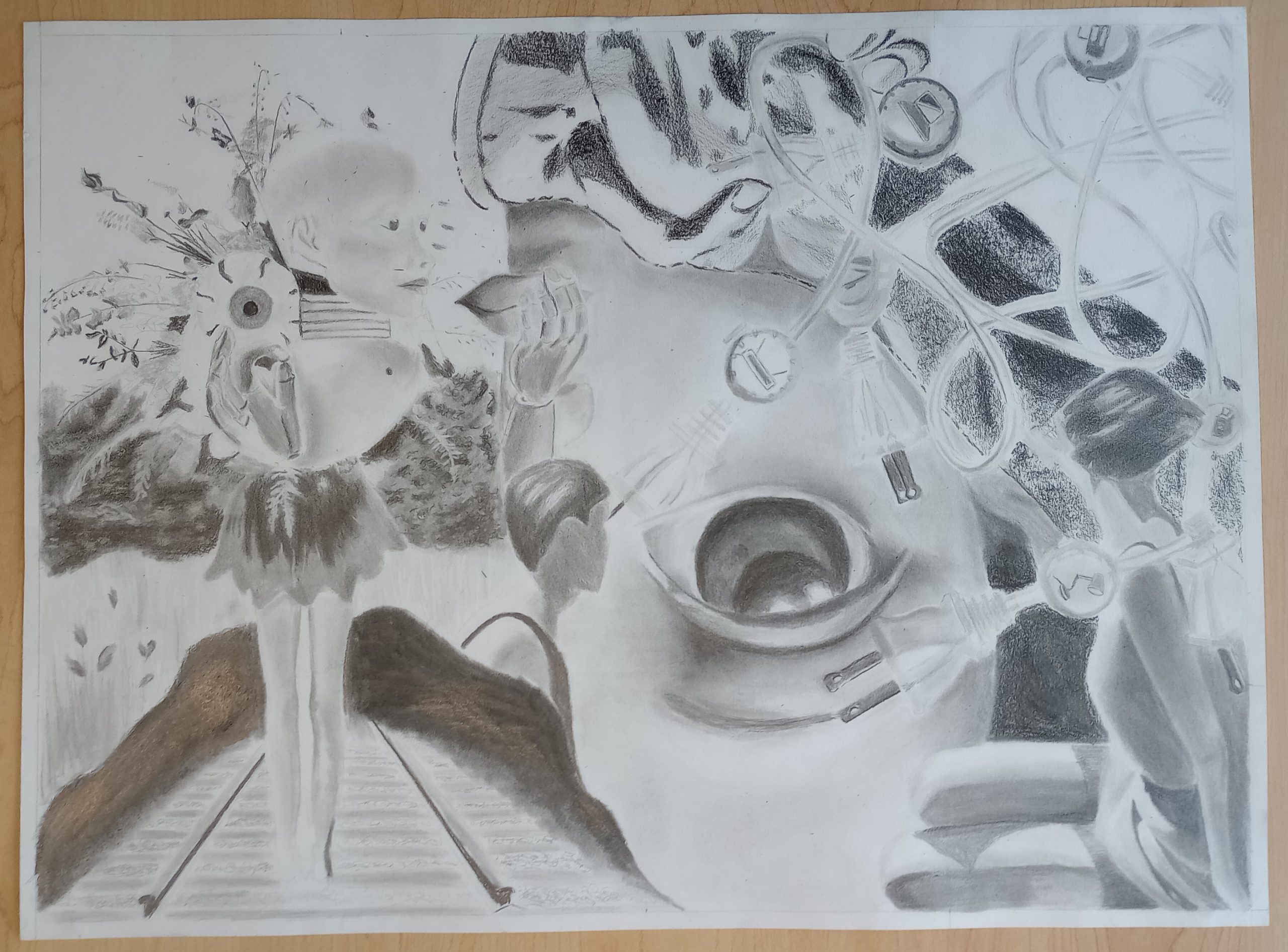
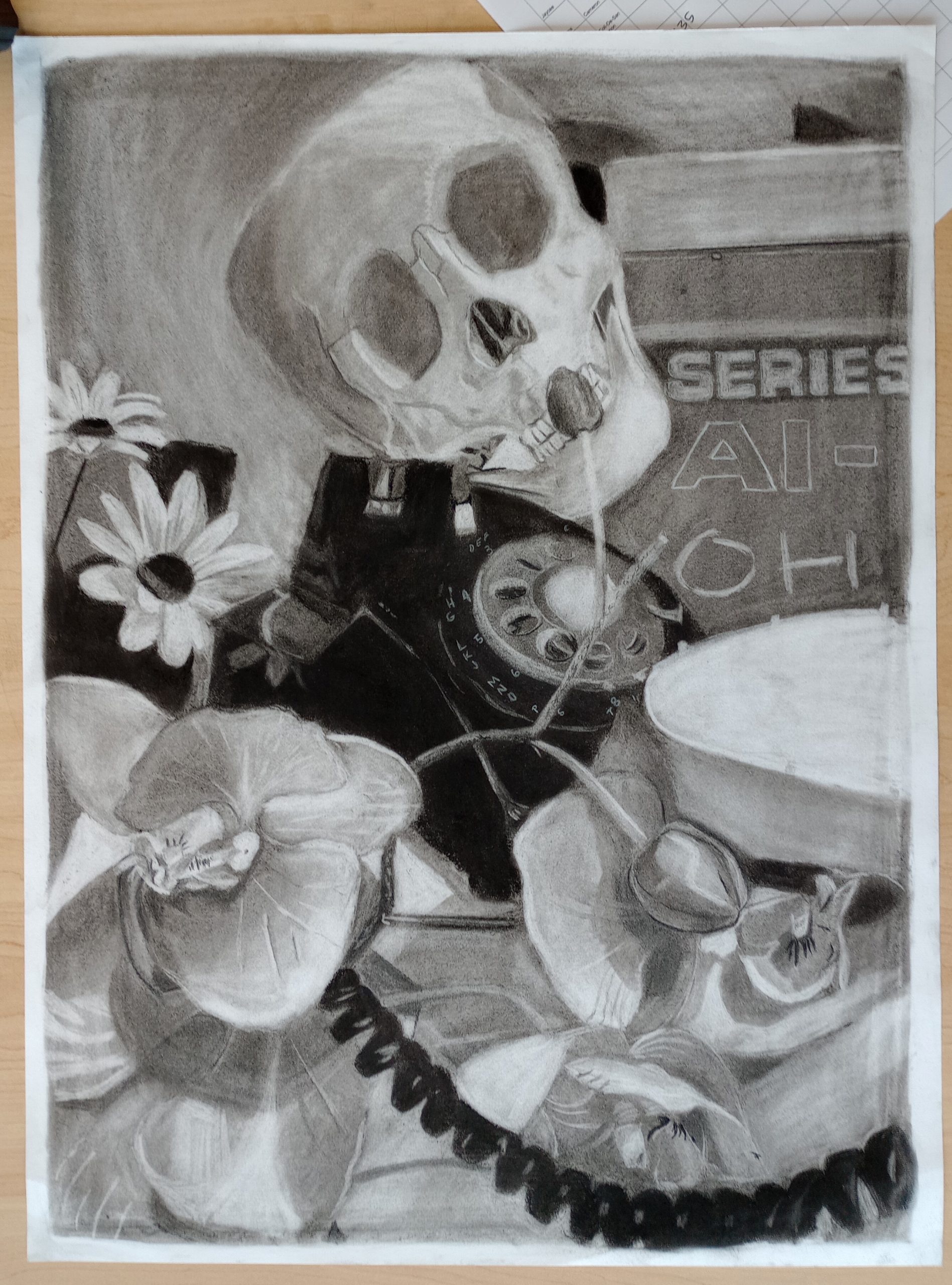
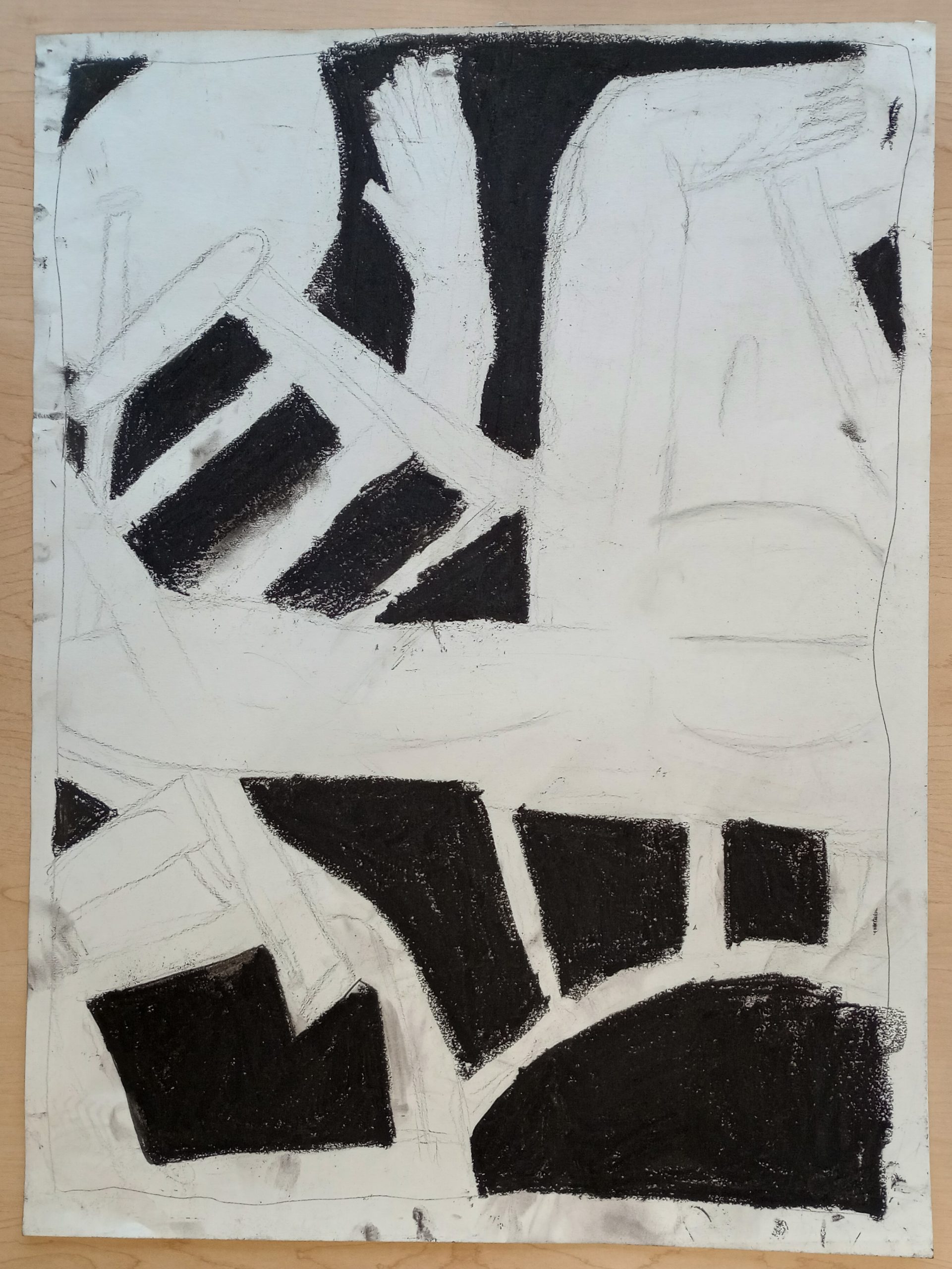
https://art21.org/watch/art-in-the-twenty-first-century/s4/an-my-le-in-protest-segment/


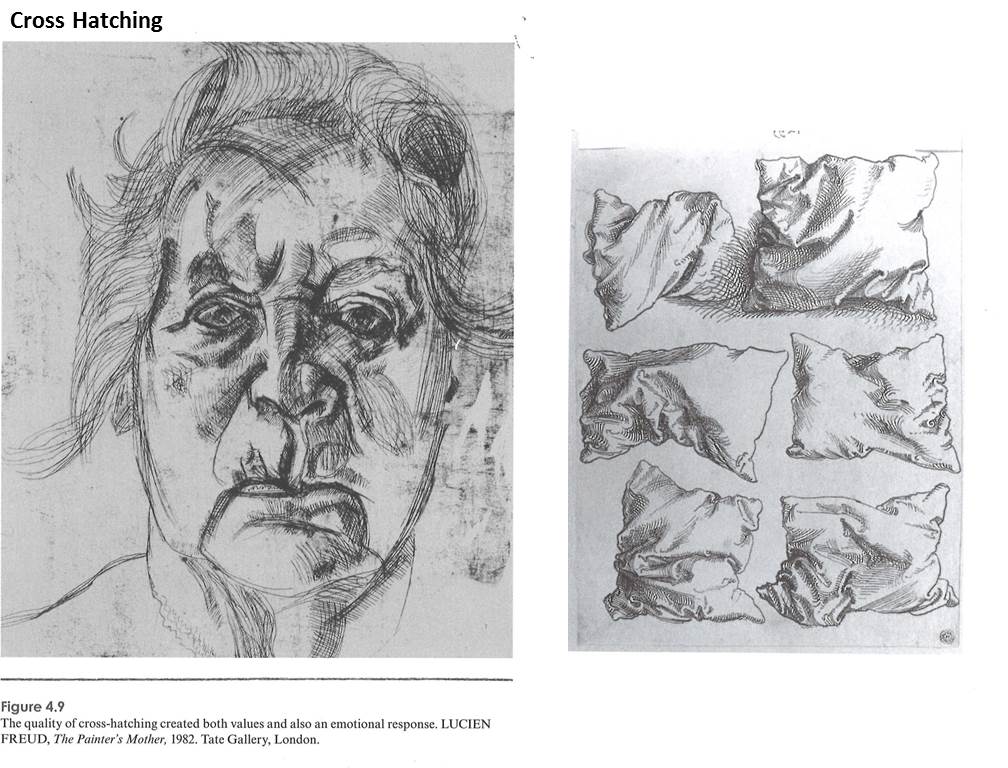
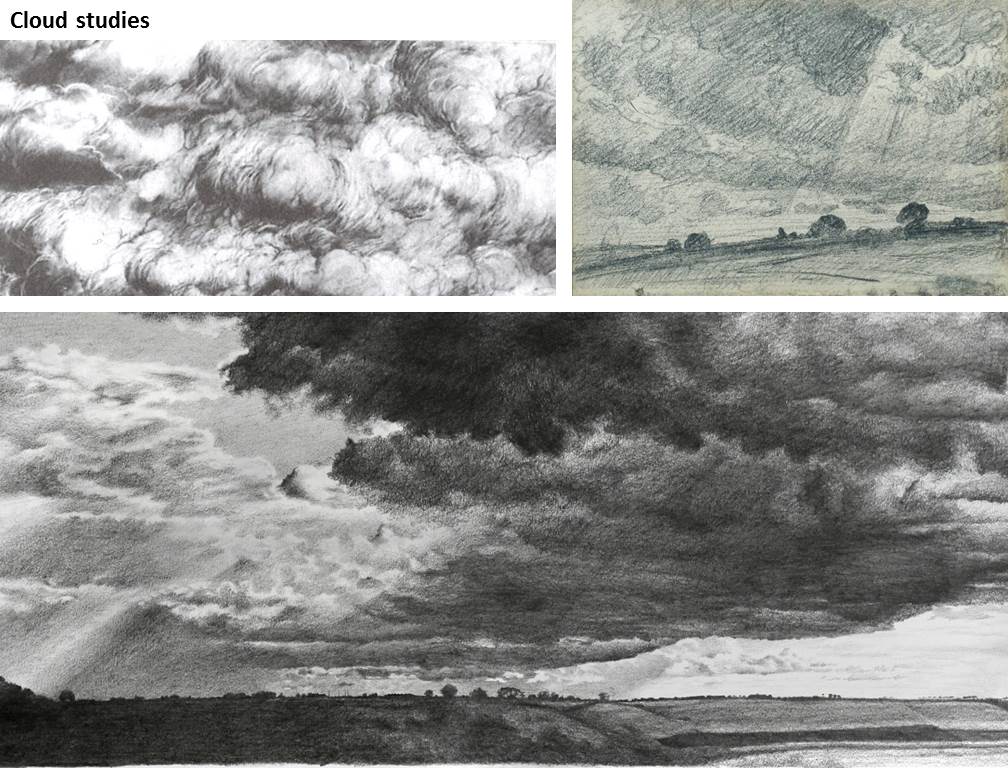
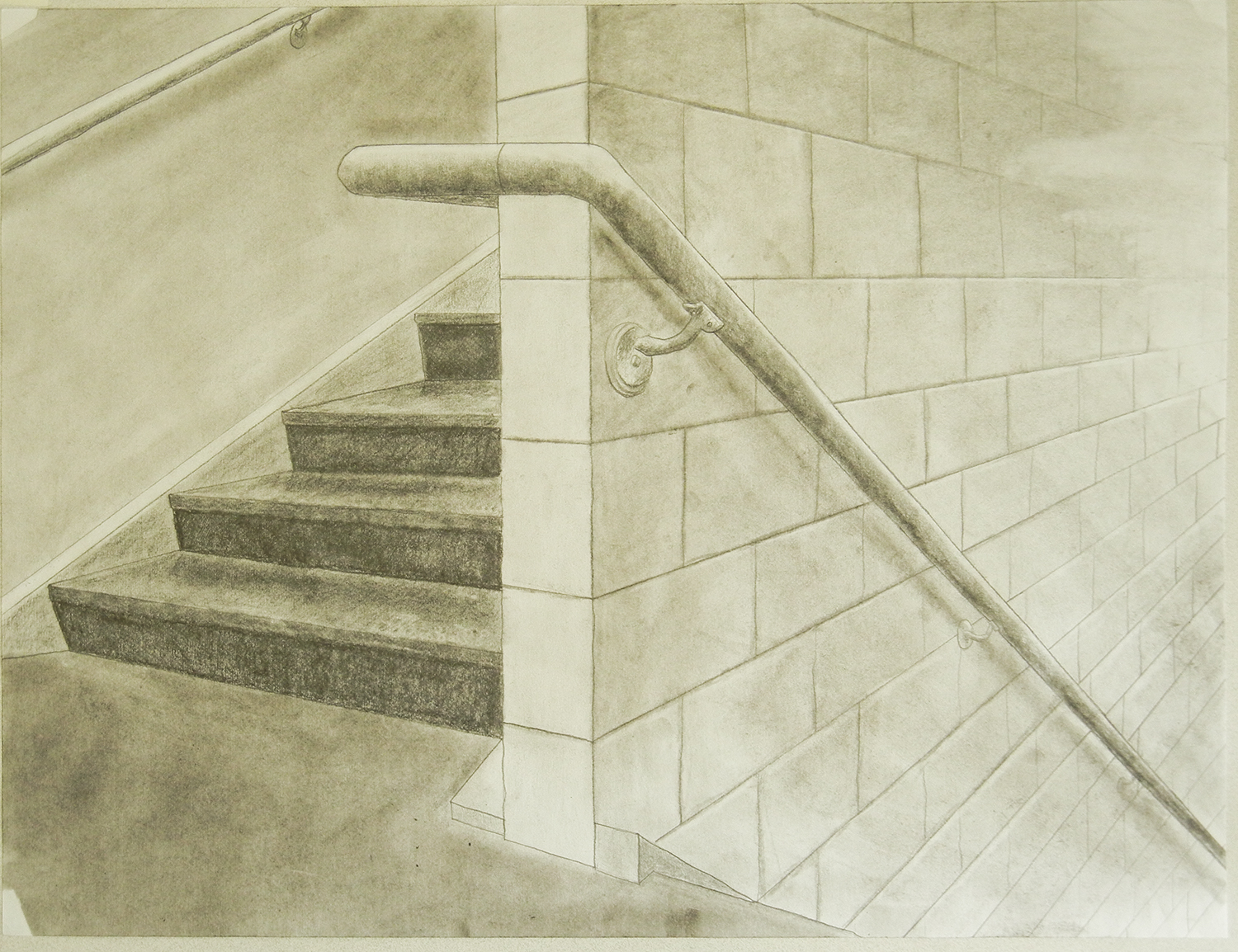
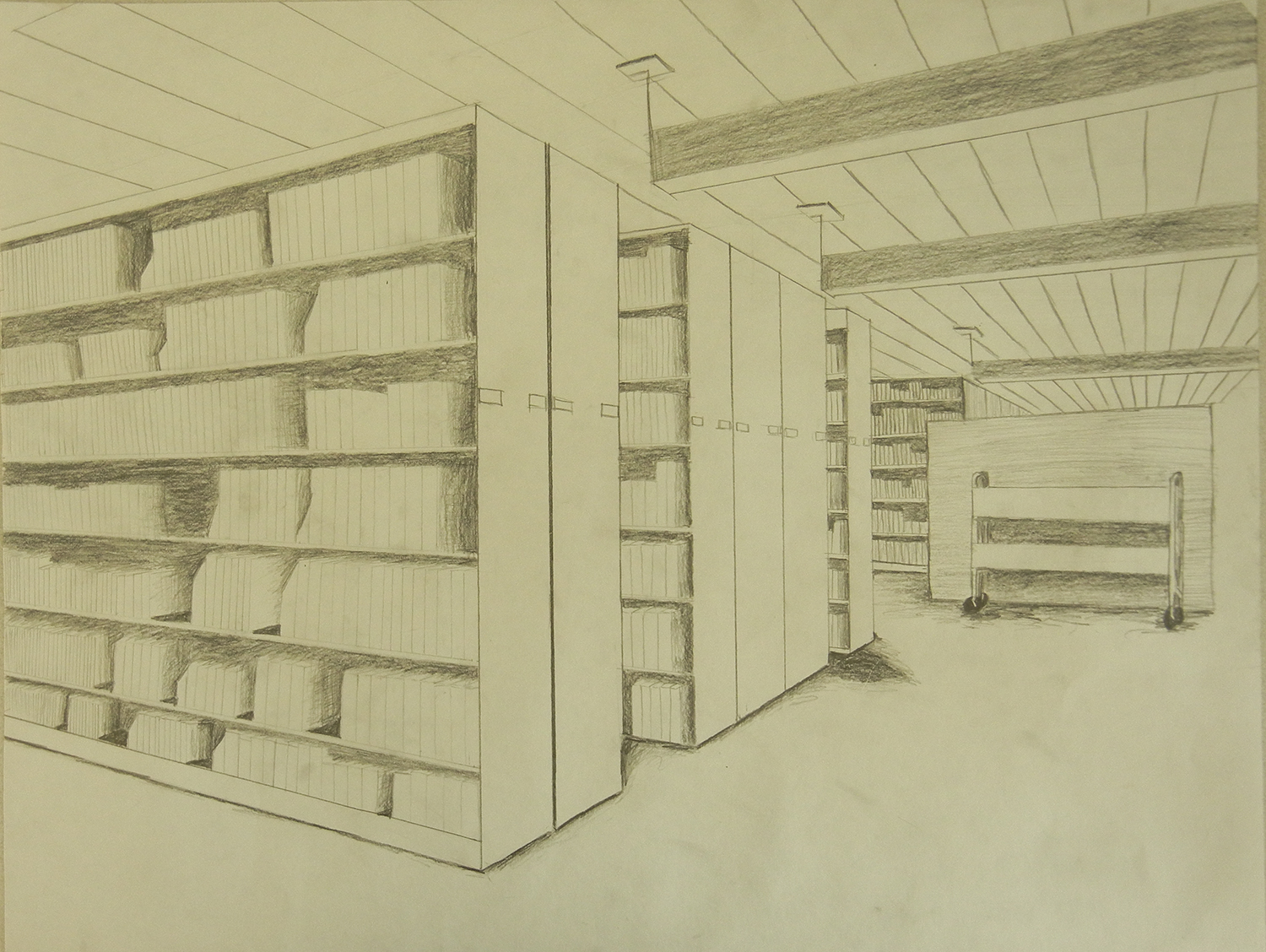
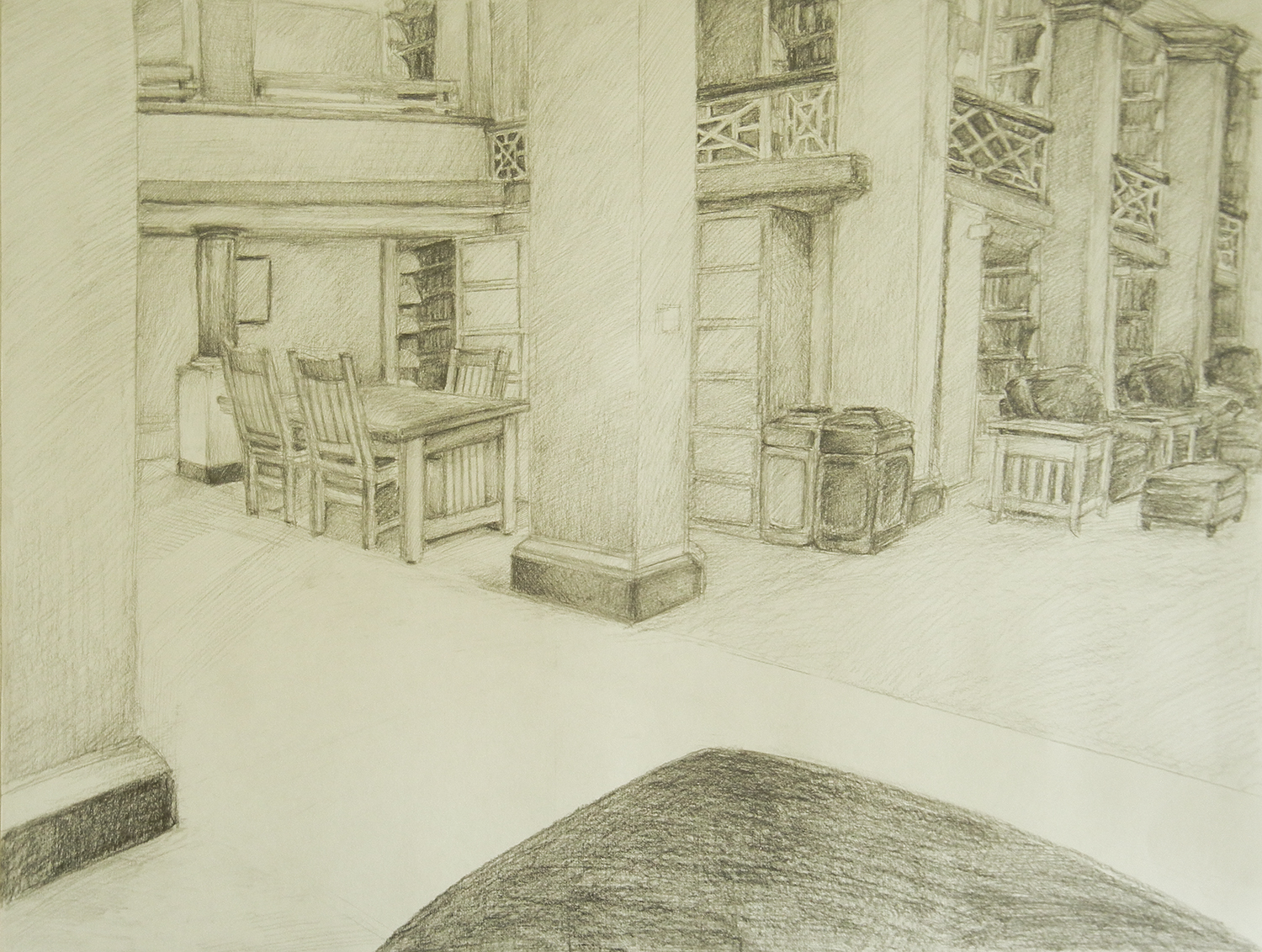
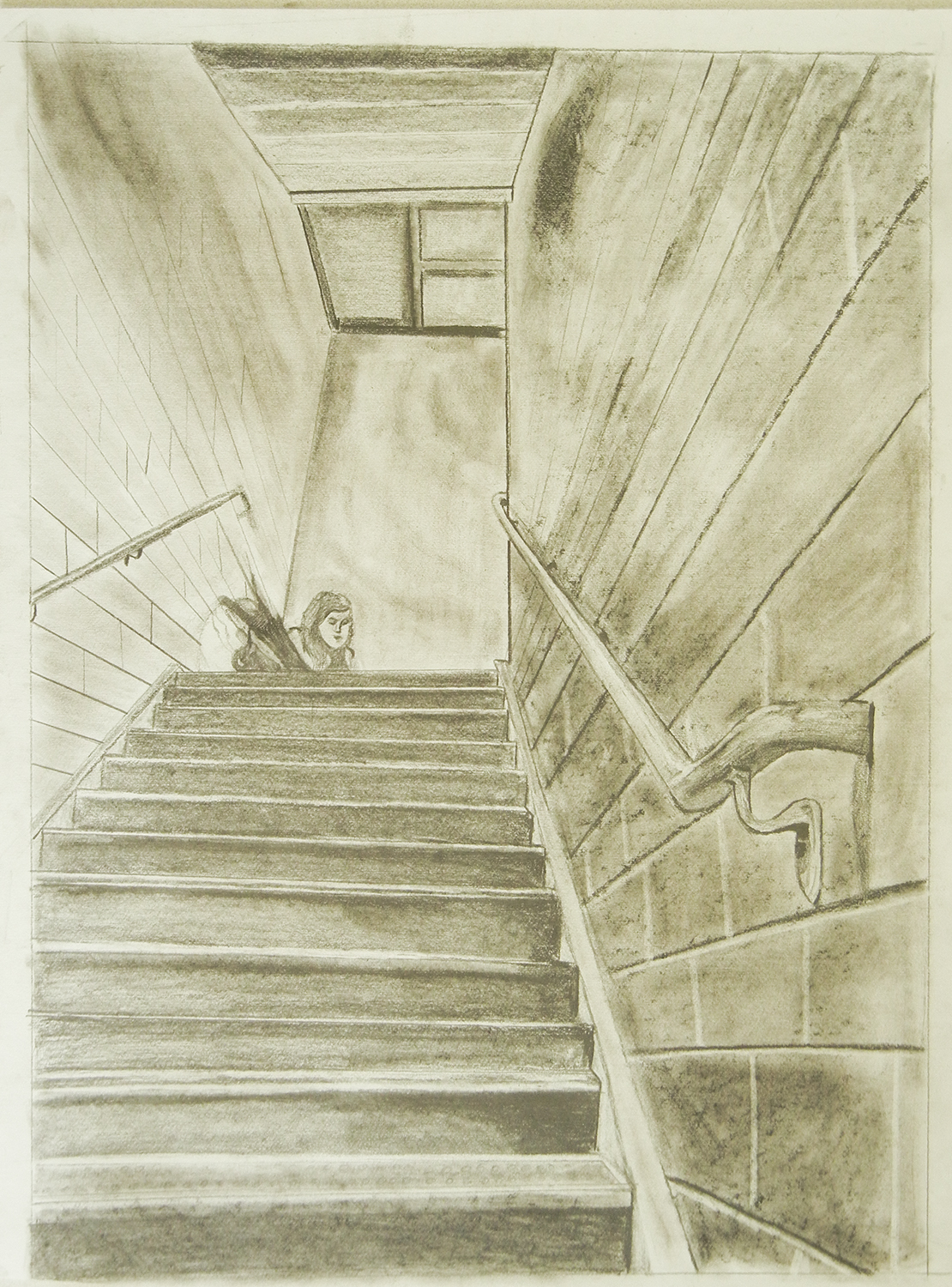
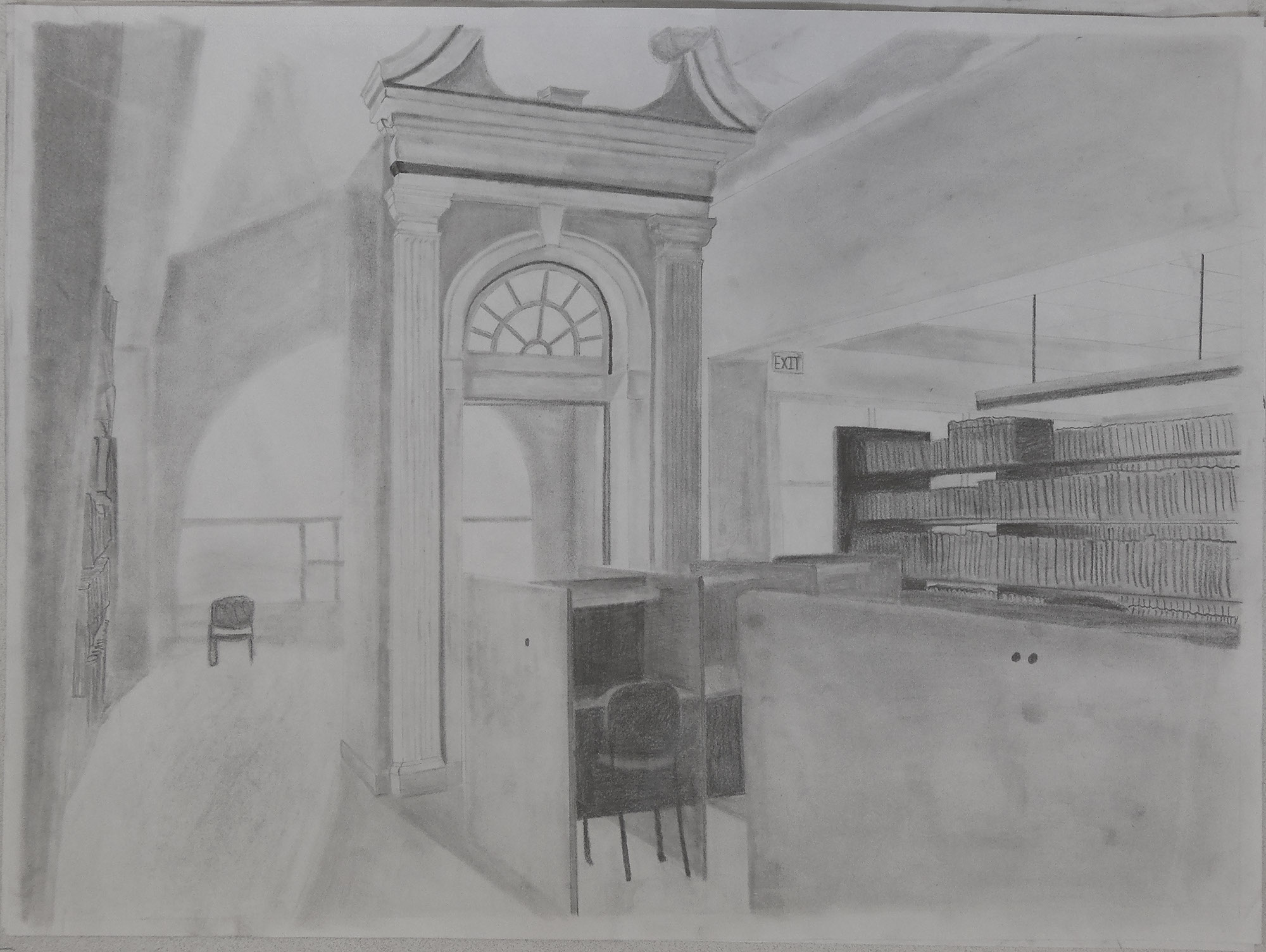
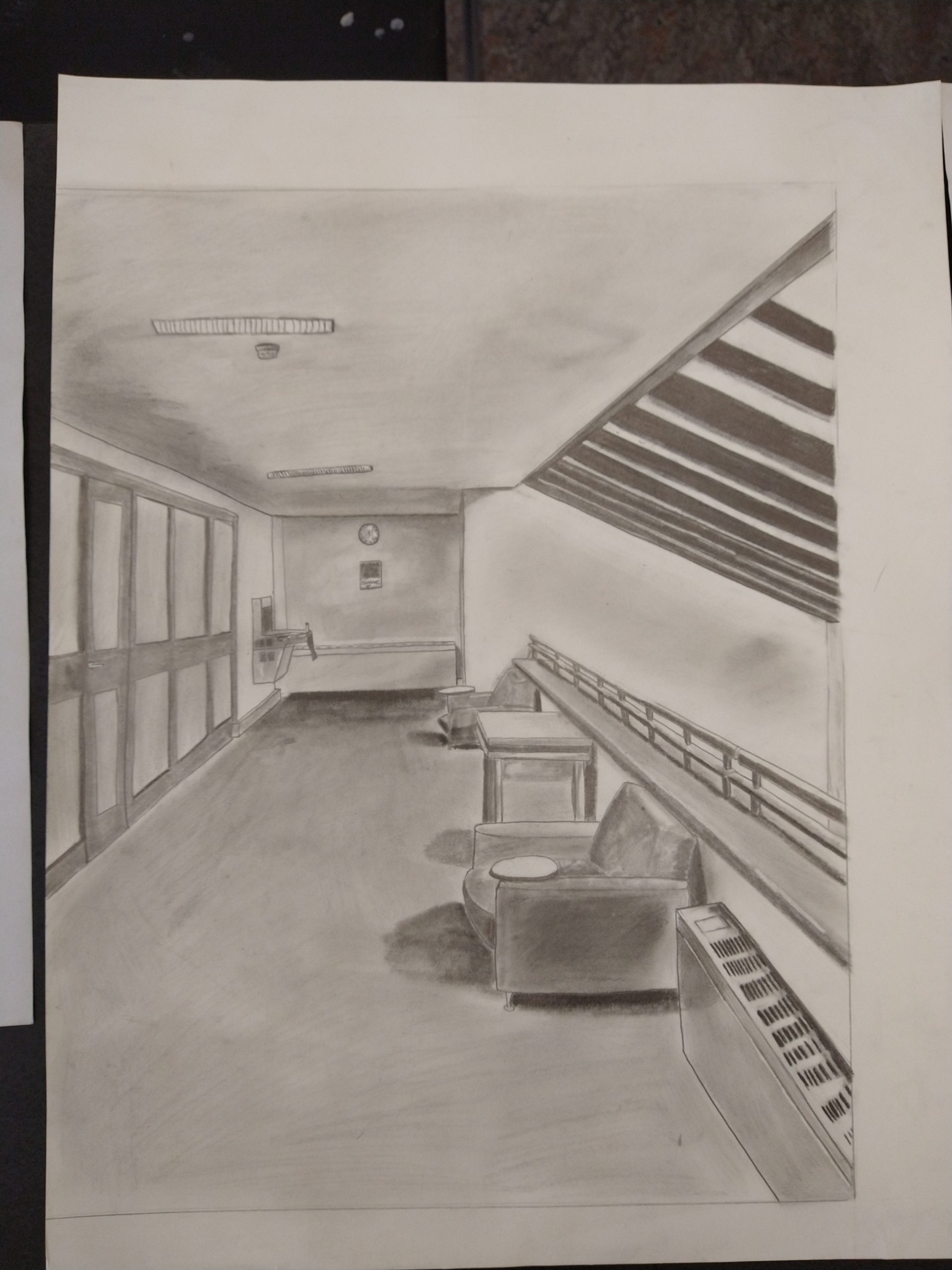
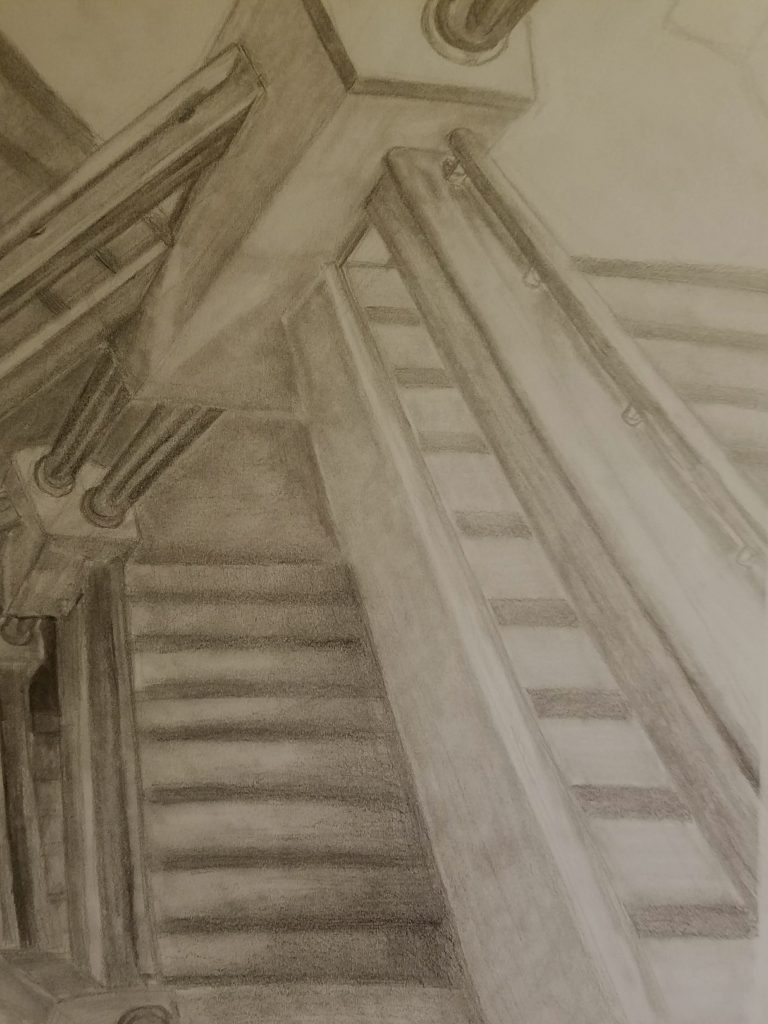
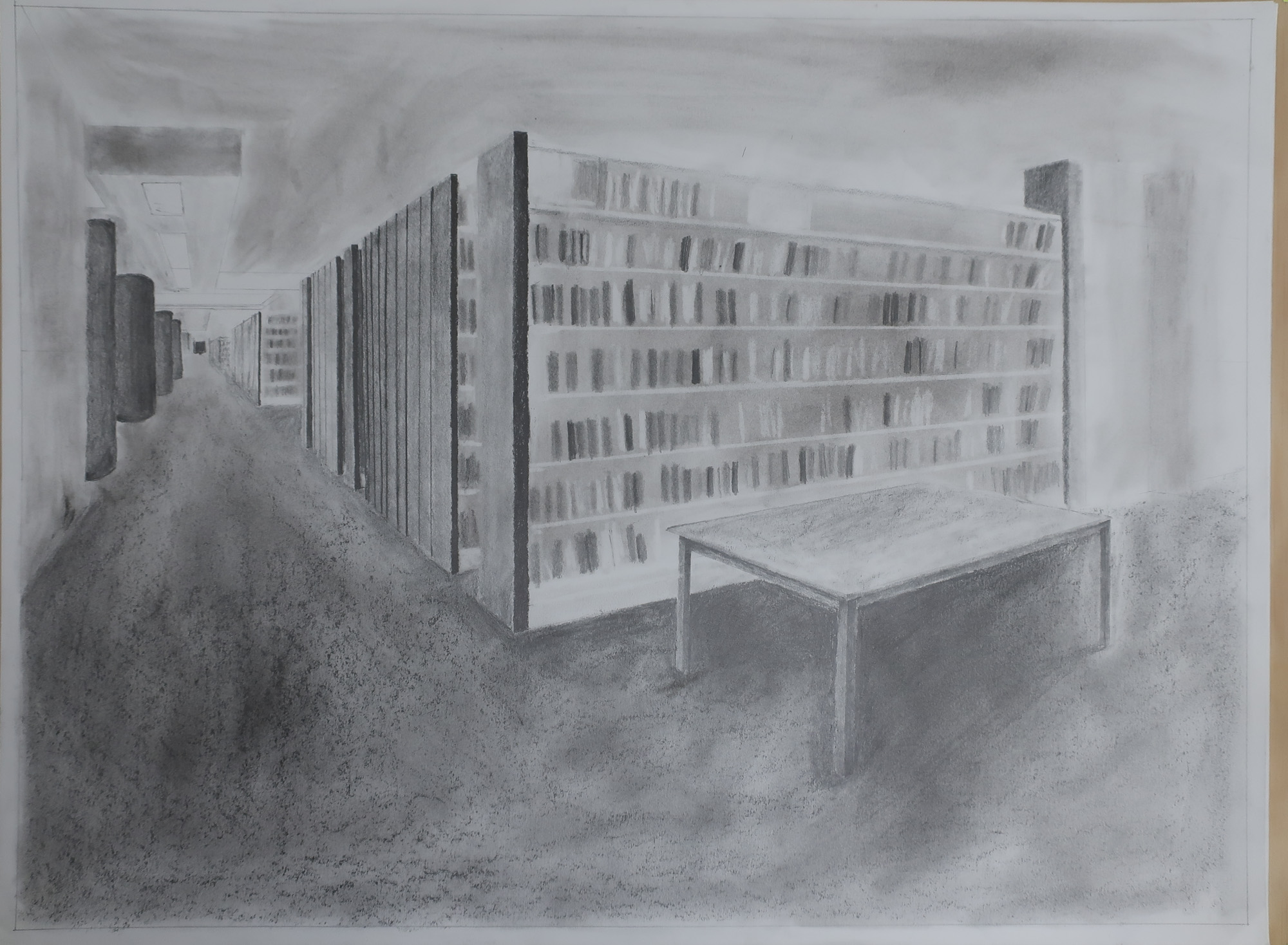
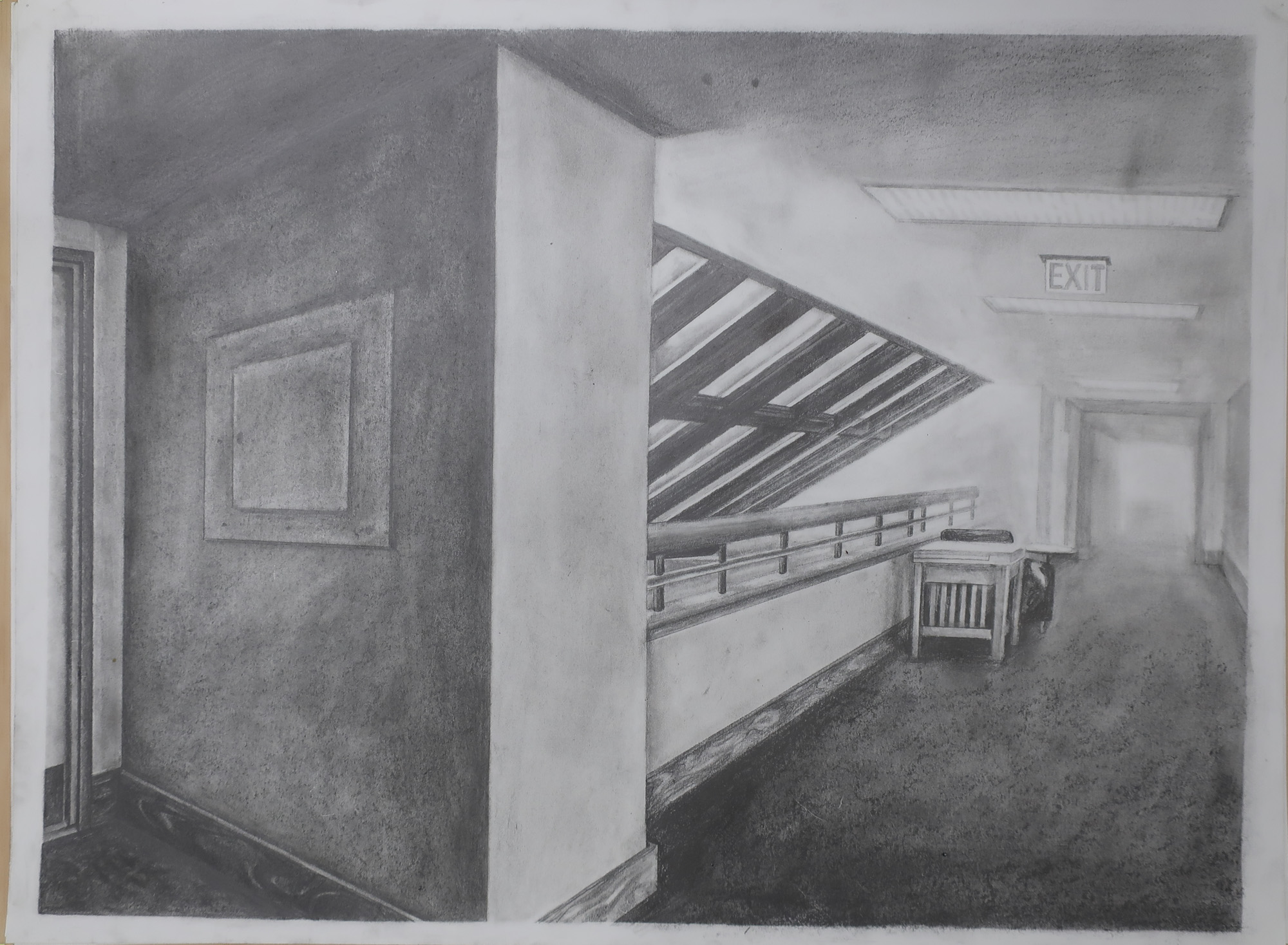
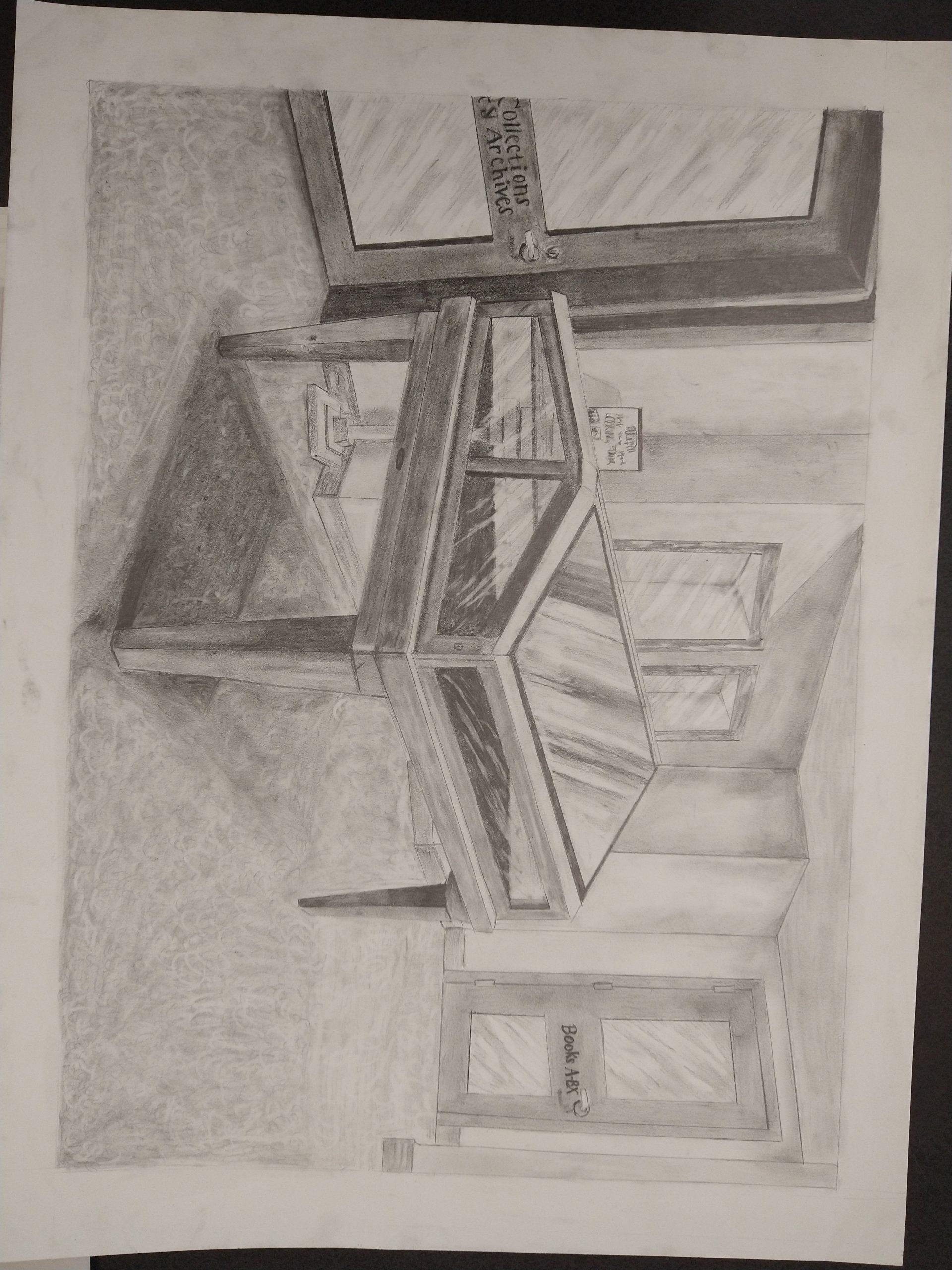
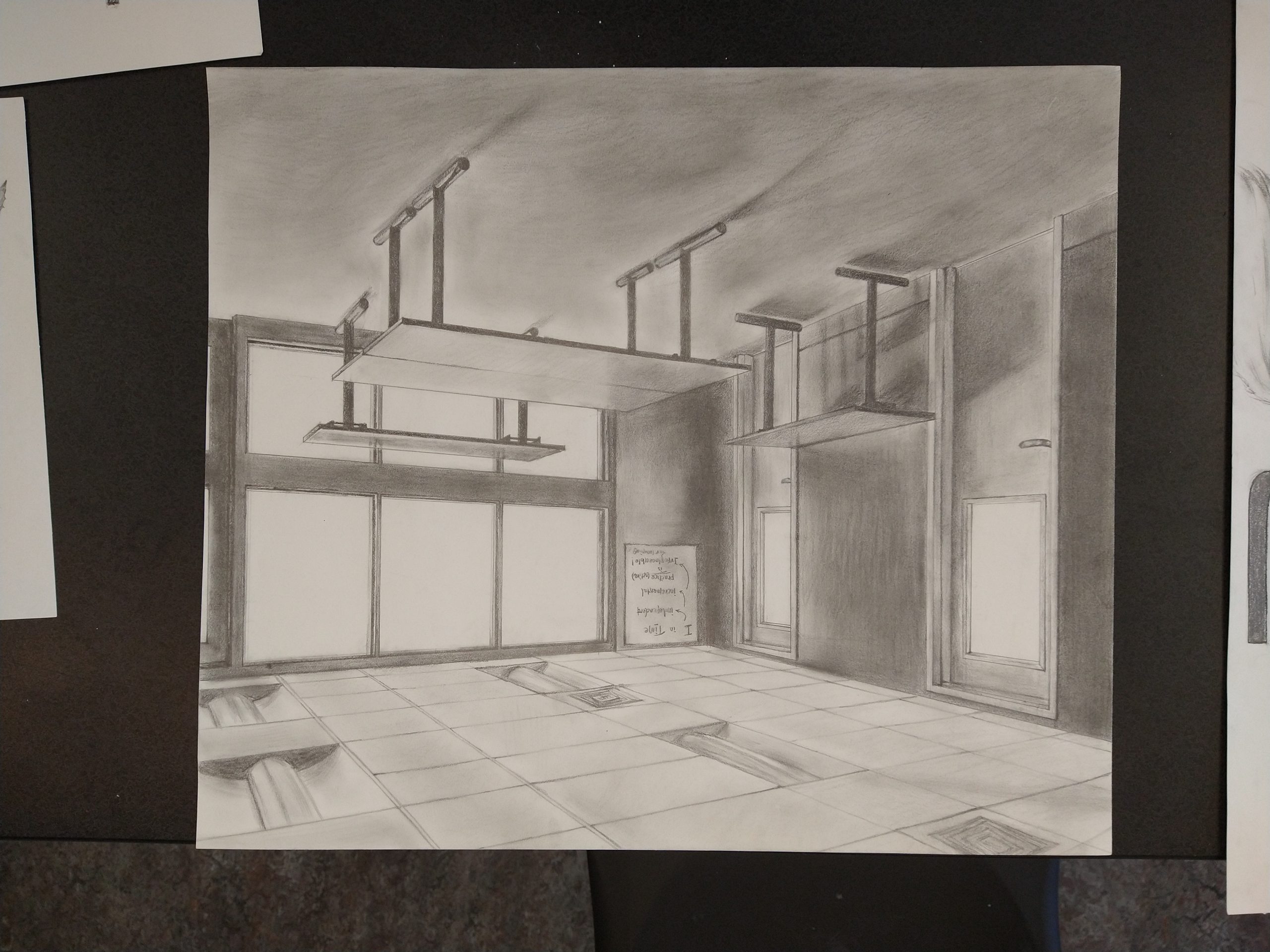
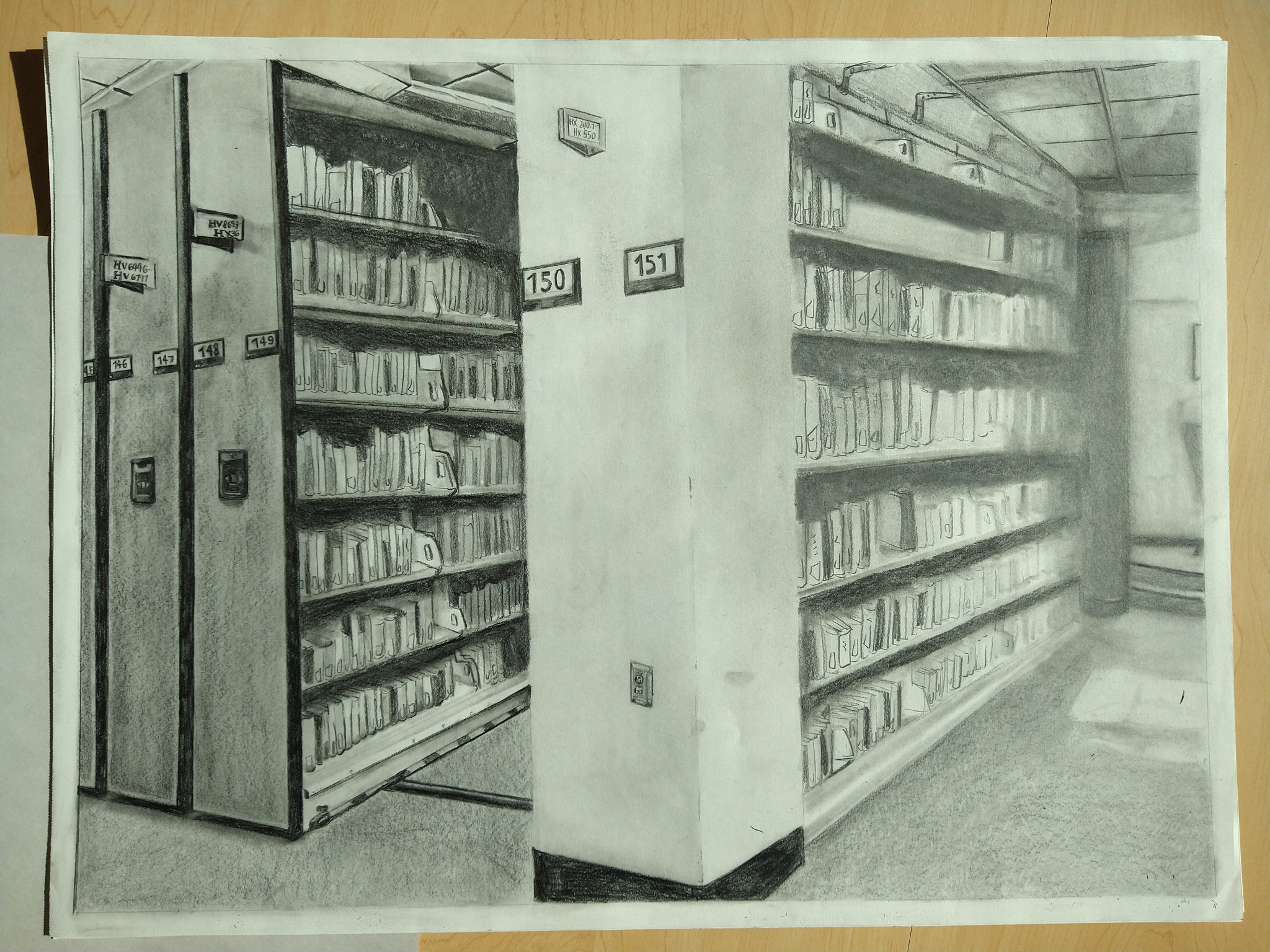
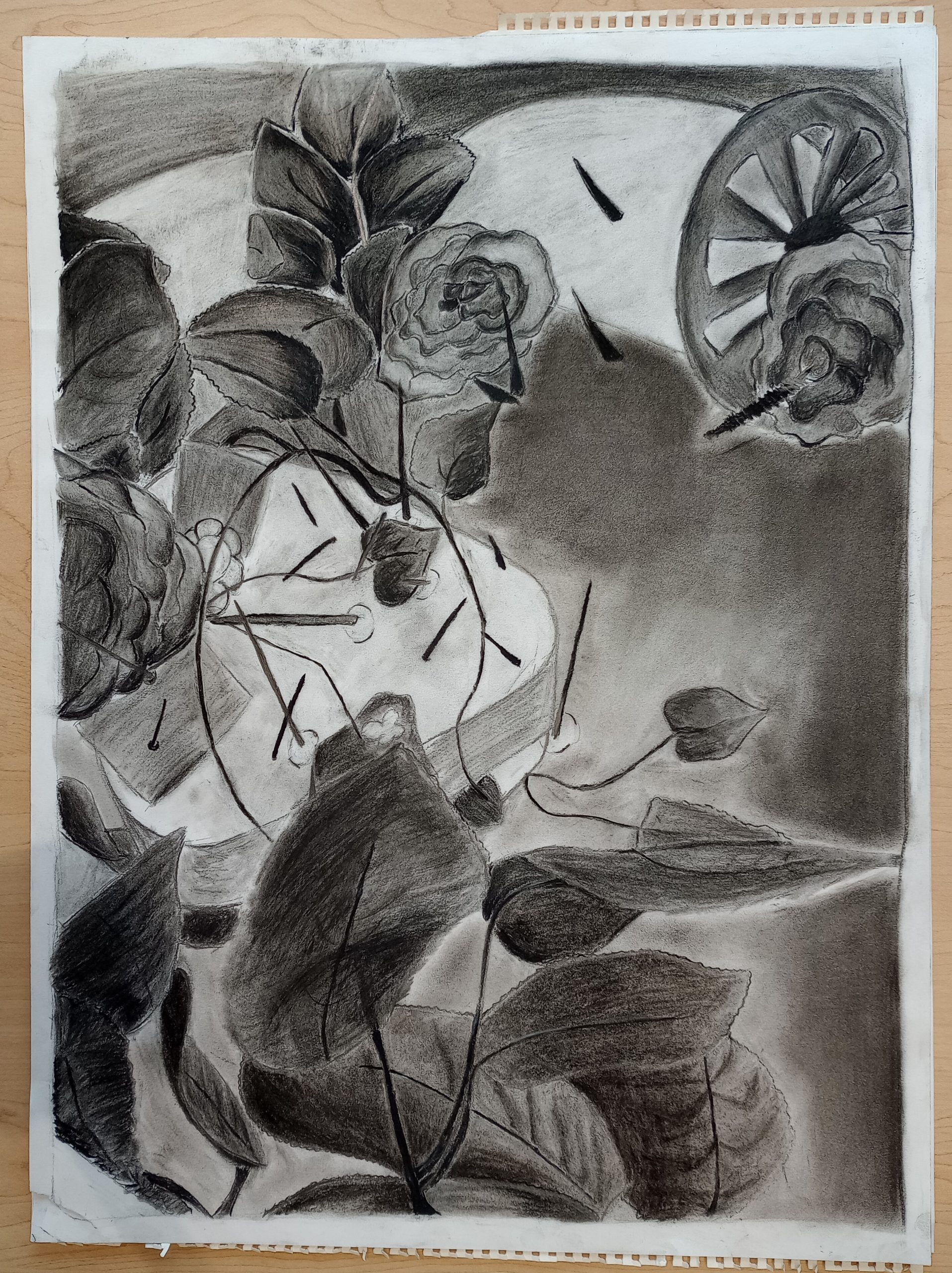
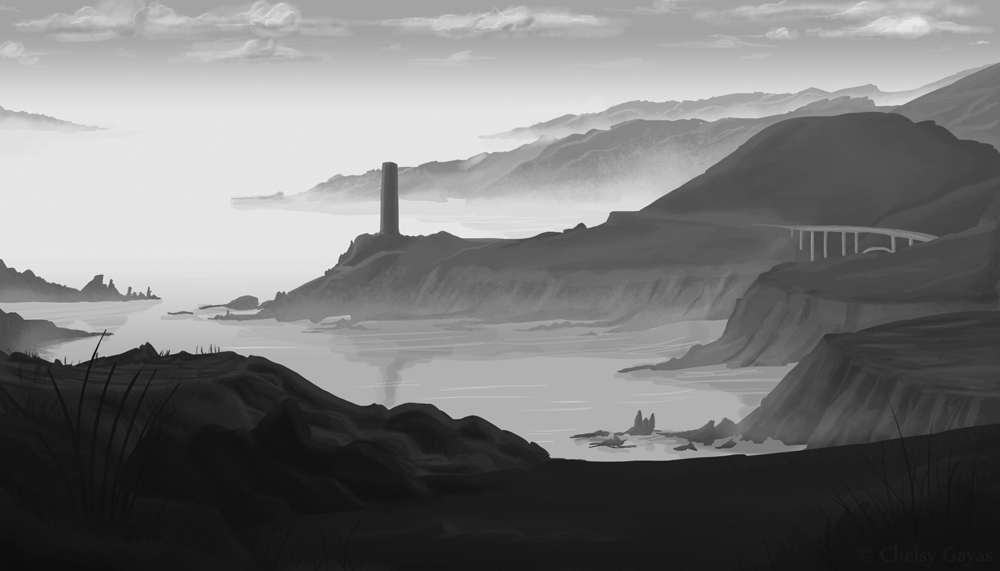
Atmospheric perspective is a strategy used in drawing and painting to create a sense of deep space. It is based on the way that a landscape looks when there is high humidity or mist in the air (see the photo below). Atmospheric perspective is achieved in the drawing below by making objects in the distance lighter and lower contrast, while making objects in the foreground darker and higher contrast.

I learned a lot from this film but one thing that was really interesting to me was that despite their complex structures, every radiolarian is only a single cell. I found Haeckel’s struggle with being pulled in multiple directions both when it comes to religion versus science and science versus art not only interesting but also highly relatable. I felt a similar struggle myself when I first graduated as part of me felt that I should stay in China and focus on searching for job opportunities, but at the same time there was a part of me that was drawn to traveling and experiencing cultures that I had never seen before and that is what drew me to attending Bucknell University. For years I have always considered science to be a very practical field that didn’t have much room for artistic and creative expression. While there was room for creative new ideas when it comes to problem solving and discoveries I had always assumed that there wasn’t much room for art or other creative efforts within the field. However after watching Proteus I found Haeckel’s story very inspiring as he was able to not only continue being an amazing scientist but also found a way to integrate his passion for art within his research in such a way that one would not be complete without the other. For me this was really impressive as I had always assumed art and science were completely unrelated fields of work.
From the film I was able to learn about how radiolarians are surprisingly intricate and tiny organisms that have intricate and unique skeletons that are made up of silica. Their underlying symmetry is mesmerizing due to its complexity and small scale. It proves that nature is beautiful and intentional even to the most minute detail. Haeckel’s work on radiolarians was so interesting because there was never only a focus on their scientific significance. He also understood them for their significance artistically. Throughout his studies, he continued to engage with their nature as cells but also as works of art from the natural world. I think this film showed me how art and science can be irreparably intertwined with one another. Without artistic skill, studying the geometric patterns of the radiolarians would have been a nightmare, and using helped to enhance the scientific understanding of the cells. While they are separate pursuits they can still collaborate in a way that enhances both. I think it was interesting how Haeckel’s environment shaped his understanding of science. Despite his understanding of phylogeny, he still fell to the same trapping of racial sciences as many of his peers. Despite their relevance today, many of his theories are products of their time.
I found it really cool how the film used those sequences of images to help us understand just how diverse the radiolarians are. By the end of the film I found myself realizing that I had almost never seen the same one twice. It really drove home the point that the forms these cells could take is practically inexhaustible.
Radiolarians are microscopic marine organisms that have unique, complex shapes. When closely viewed, their tiny bodies are intricate and designed so beautifully. This goes to show that even if something is small in form, there still can be so much meaning behind it. It was interesting to learn about how Haeckel was both an artist and scientist because you don’t really see these two fields connect a lot. He intertwined the two subjects and sketched drawings of these radiolarians. It was also interesting to learn that he viewed all life and living things as connected in one big continuous cycle. In addition, I never really thought about how art can help people better understand science. Art can break down these complex ideas of science and make them easier to recognize and observe. Furthermore, it was thought-provoking to think about how the mind and the body are both separate but connected. As well as how the mind might not need the body to exist which is a complicated concept. Overall, I really enjoyed this film and thought it was interesting to learn about how humans, nature, and technology are all interconnected in a variety of ways. Also how art can be used to better understand the world around us, especially science.
The film Proteus showed how radiolarians are more than just microscopic organisms. They’re a perfect example of how nature is both scientific and artistic. Haeckel was obsessed with them, seeing them as a key to understanding life, and he spent his career drawing and studying over 5,000 species. What stood out to me most about Haeckel was how he combined science and art. He was capturing nature from a scientist’s view while capturing the beauty of nature from an artist’s view. It made me think differently about the relationship between the two. His work proves that art isn’t just for expression and science isn’t just for facts; they can work together to shape how we see the world. The film also showed how people used to see nature as fixed and unchanging, but by the 19th century, science revealed that it was constantly evolving. Haeckel’s admiration for Goethe and the Romantics, who saw nature as alive and imaginative, made him question traditional religion and search for meaning. Another thing I didn’t expect was how much new technology, like the telegraph cables across the ocean floor, changed what people knew about marine life. Before that, scientists thought nothing could survive in deep water, but discovering organisms on the cables proved them wrong. The film also made me think about how Haeckel struggled with his identity. He was studying to be a doctor and then as a scientist, but he loved painting and almost gave up science for art. His time in Italy, where he met poets and artists, deepened that struggle. Seeing how he was constantly pulled between logic and creativity was interesting, which I think many people can relate to.
Before watching this film I didn’t even know what radiolarians were. It is really cool to see how complex, diverse, and abundant single celled organisms can be. I was also really intrigued by the way Haeckel would draw all of them, and in a short amount of time when they were only able to stay alive outside of their natural habitat for so long. These organisms were used as sort of a pillar within this film, around them being the history of scientific discovery around life, Haeckel and his life’s work, and the competing notions of art versus nature. I found it interesting that a main issue that was arising from new discoveries was the beliefs of religion versus science. It was engaging to see how Haeckel was grappling with these opposing views within himself, and how his ideas changed as time and science progressed. Personally, it was really compelling to see how Haeckel managed to balance his naturalist perspective, scientific knowledge, and drive for exploration with his artistic side and need for romanticism throughout his life. As a biology major, it was cool to see him incorporate creation of art within his studies in the scientific community. Lastly, one part of the film that stood out to me was the idea of “embracing the opposites”. How can one embrace both religious and scientific views, man versus nature, art versus science, and so on.

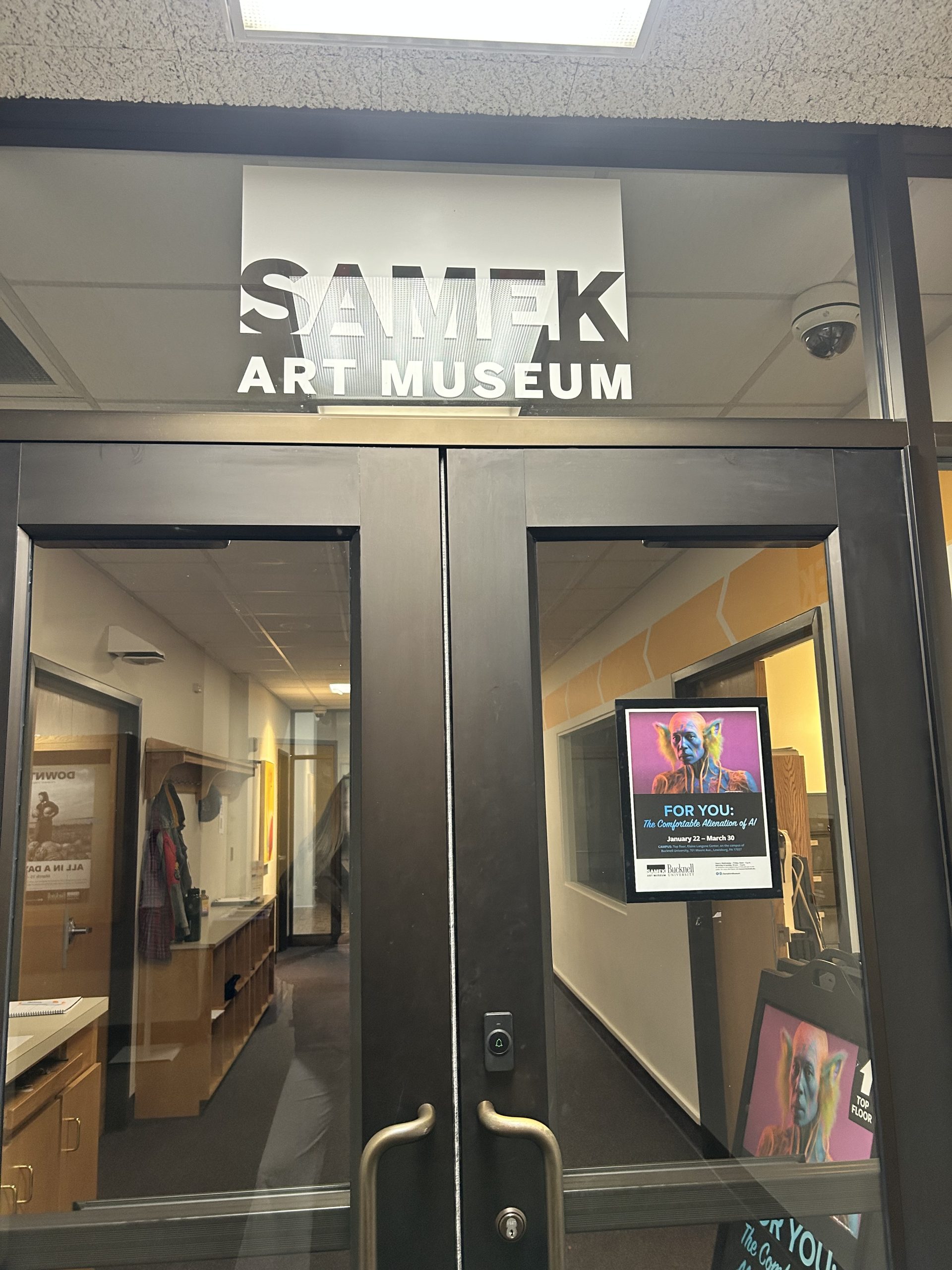
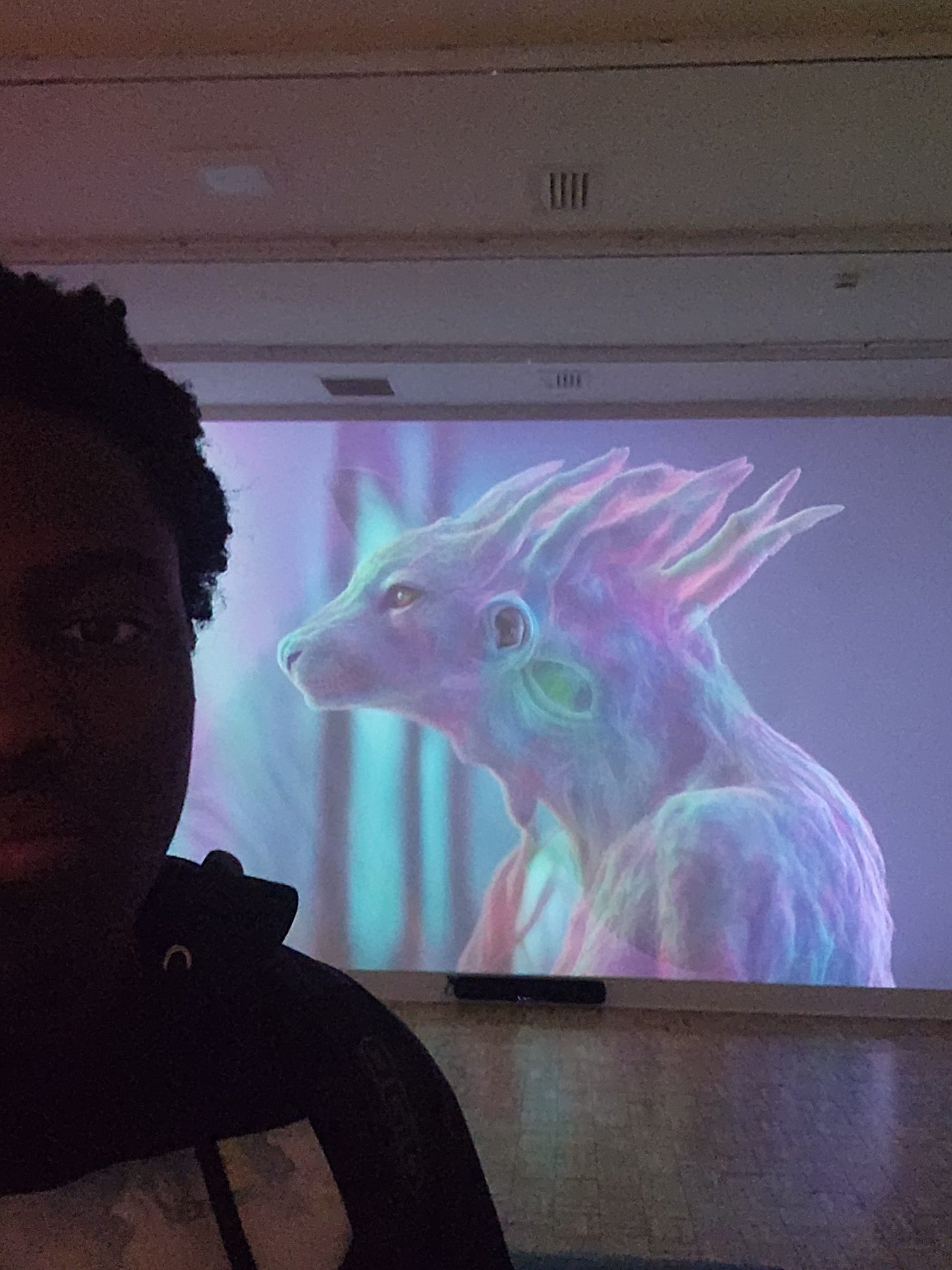
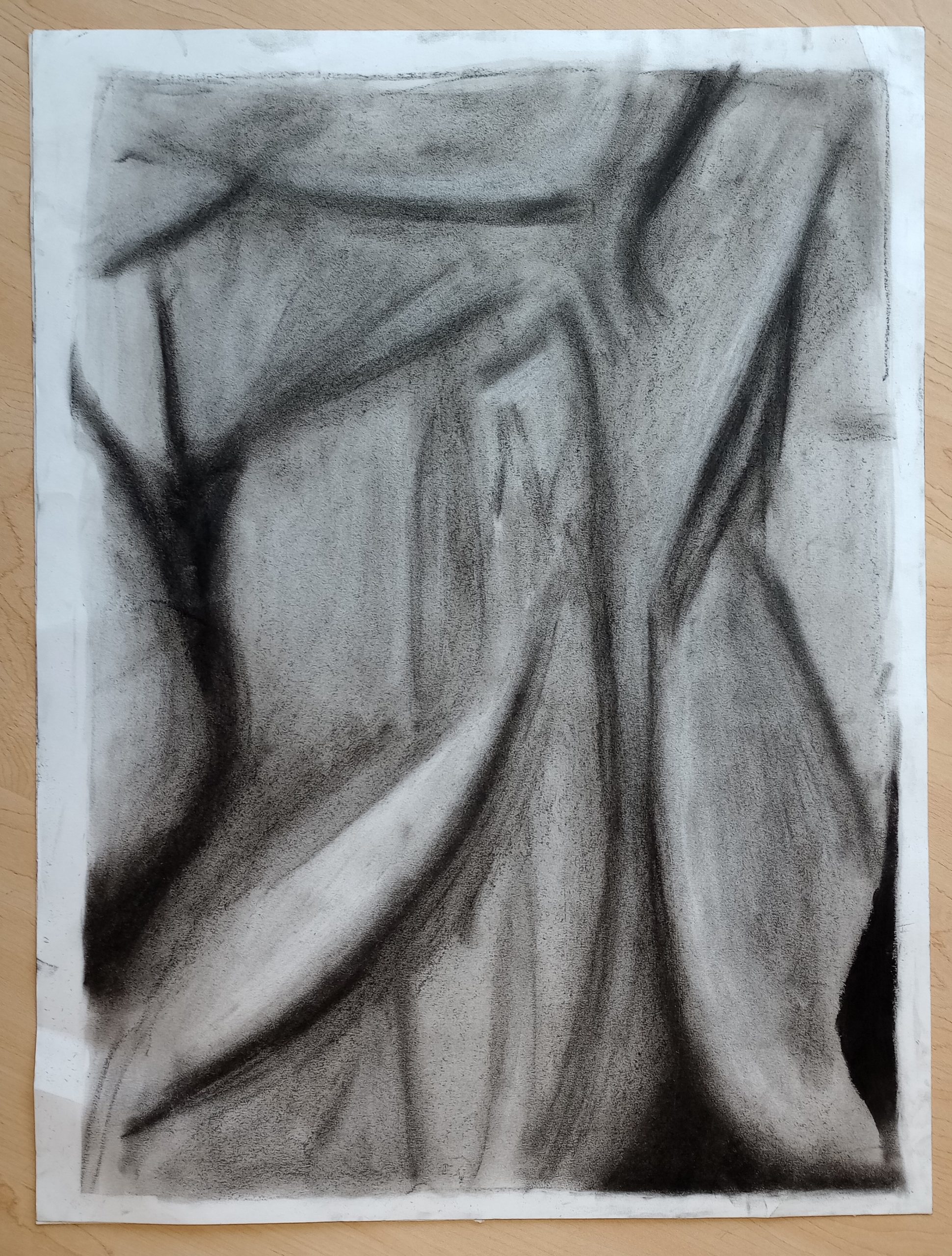
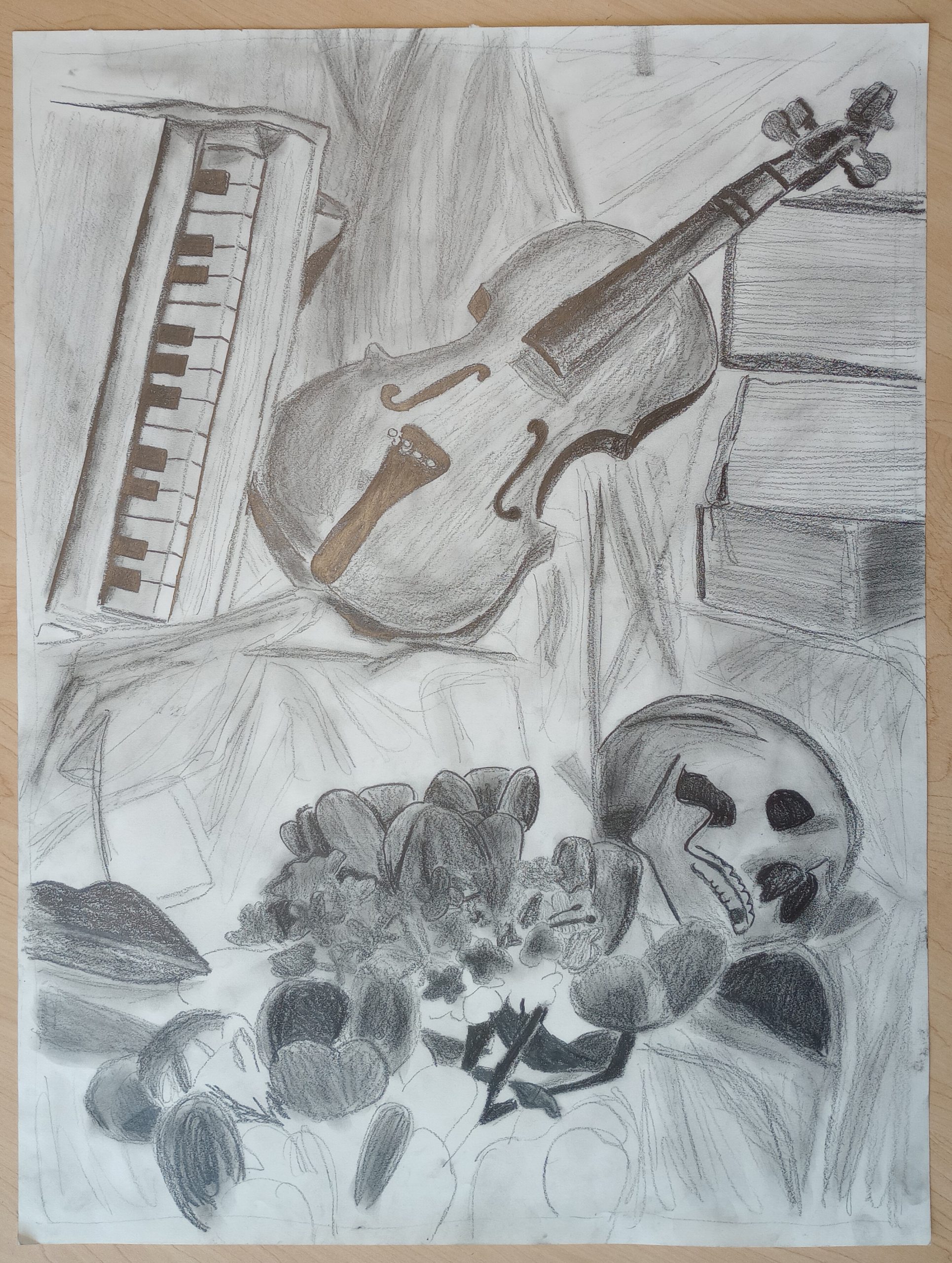
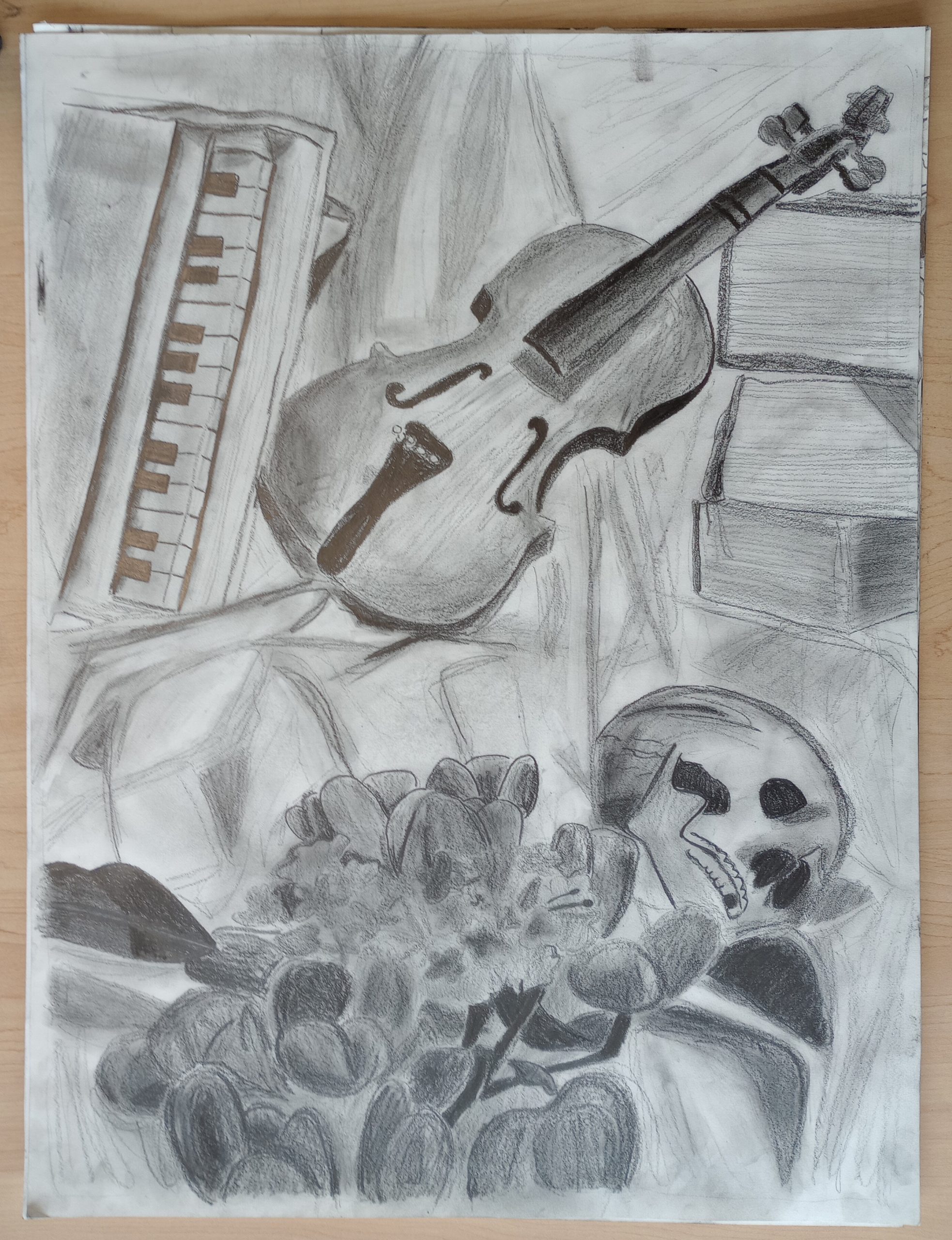
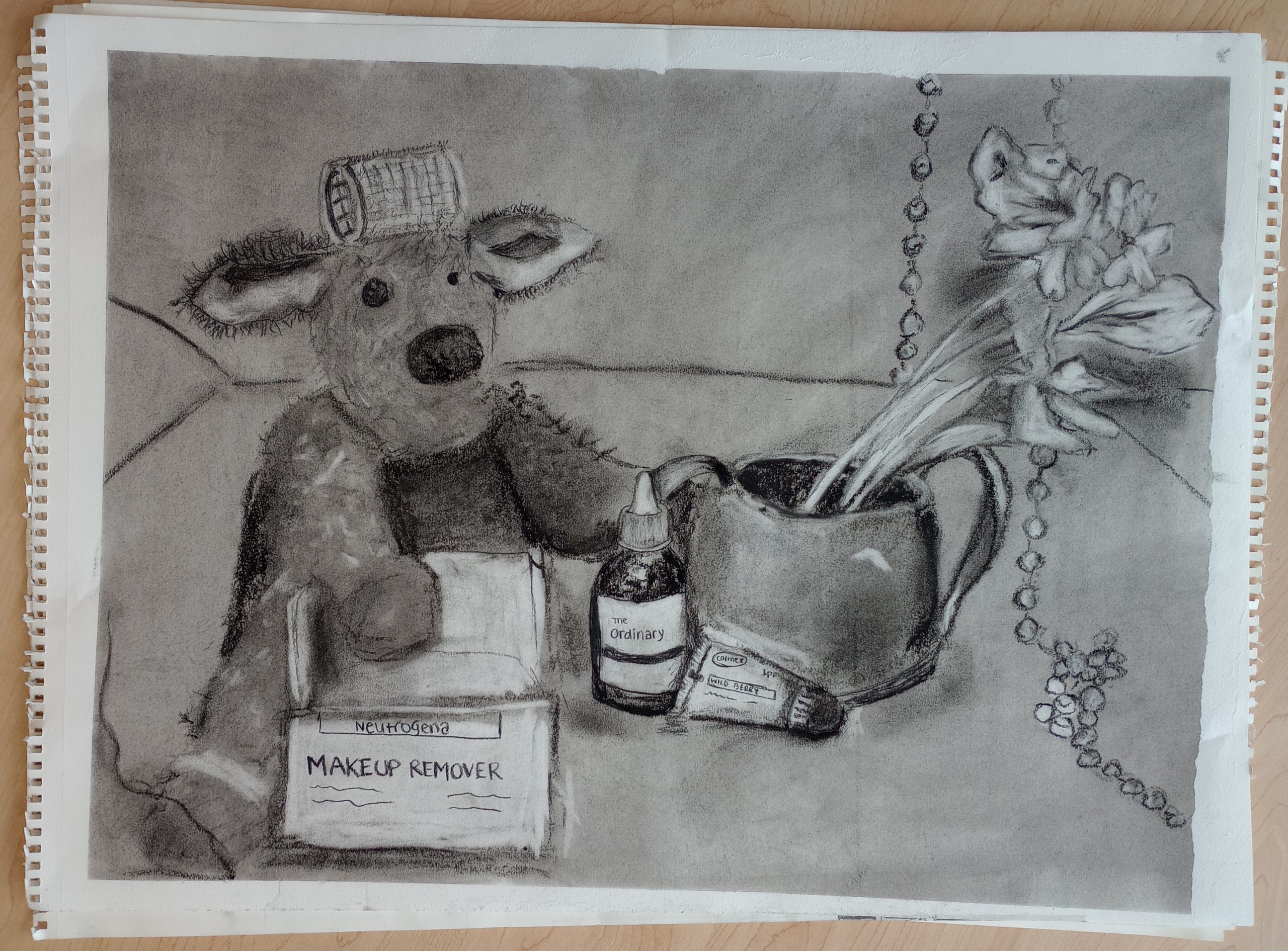
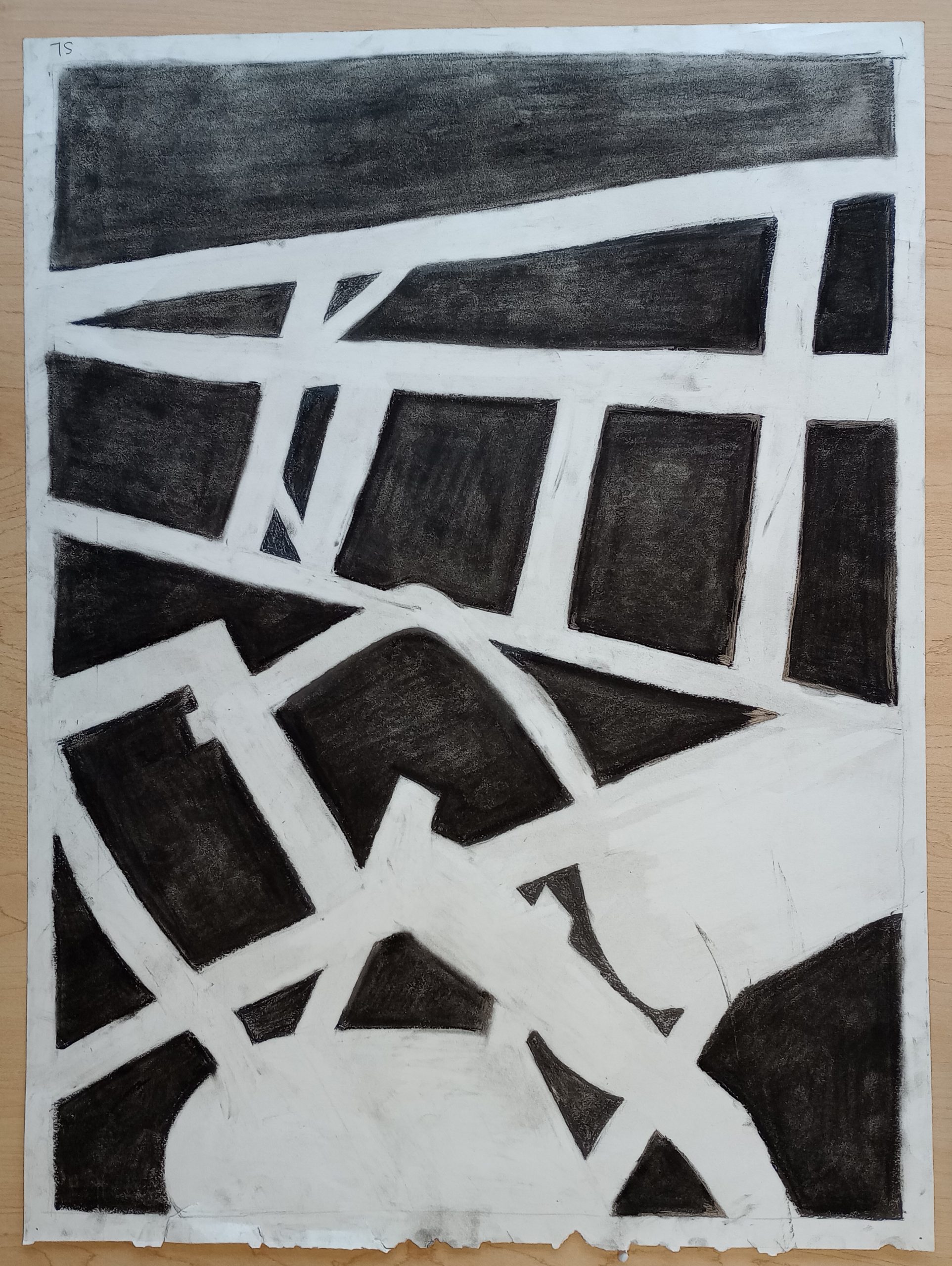
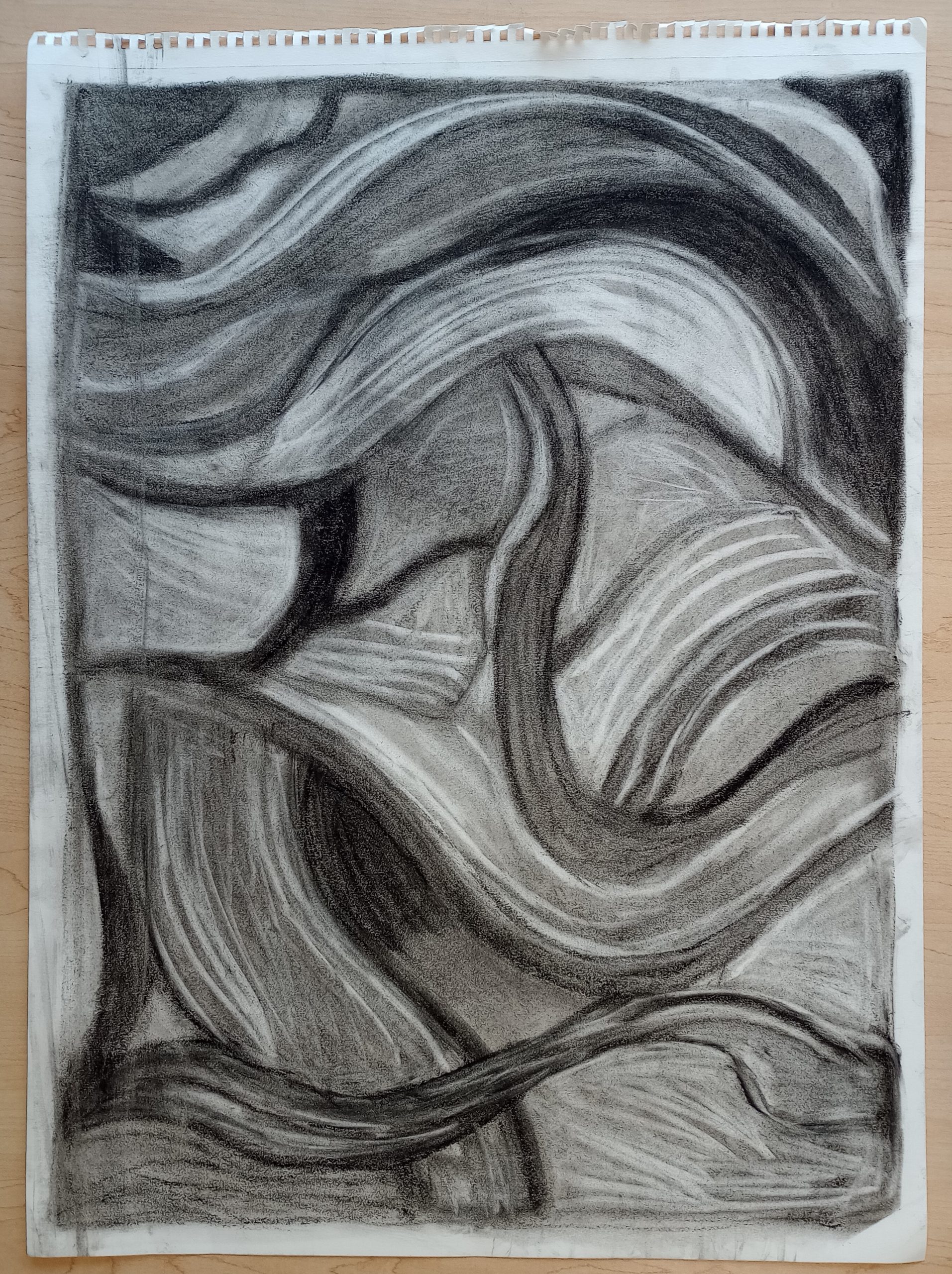
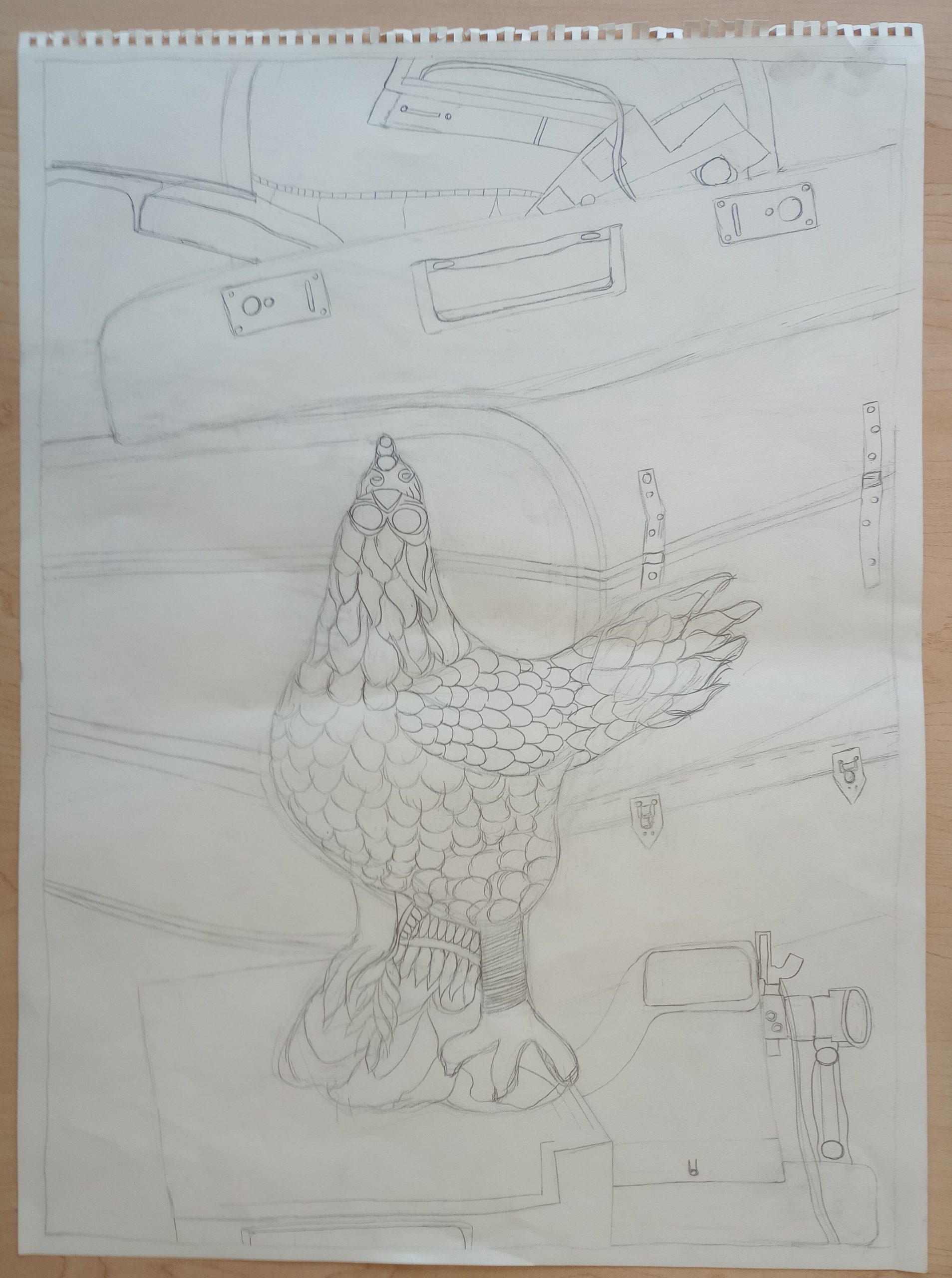
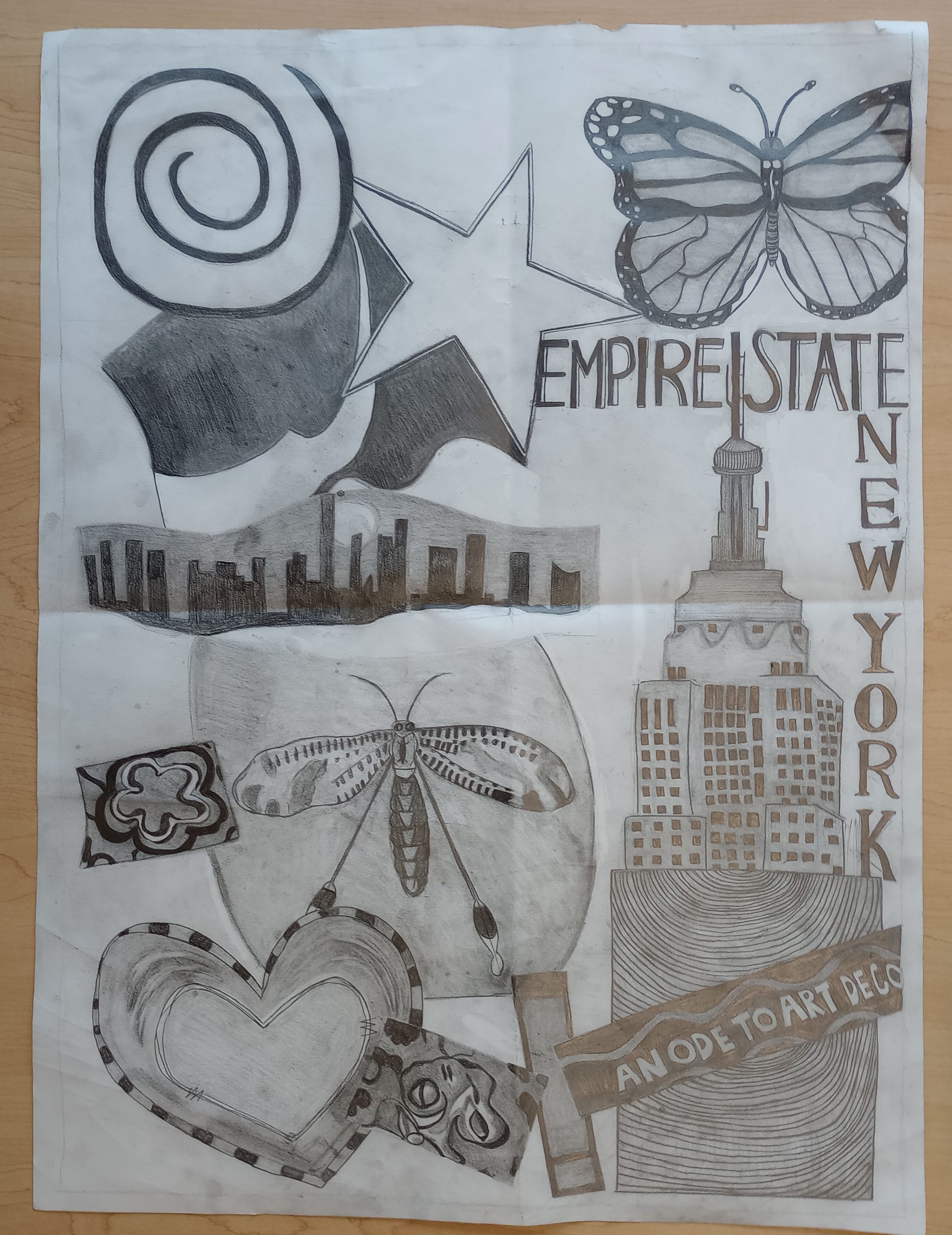
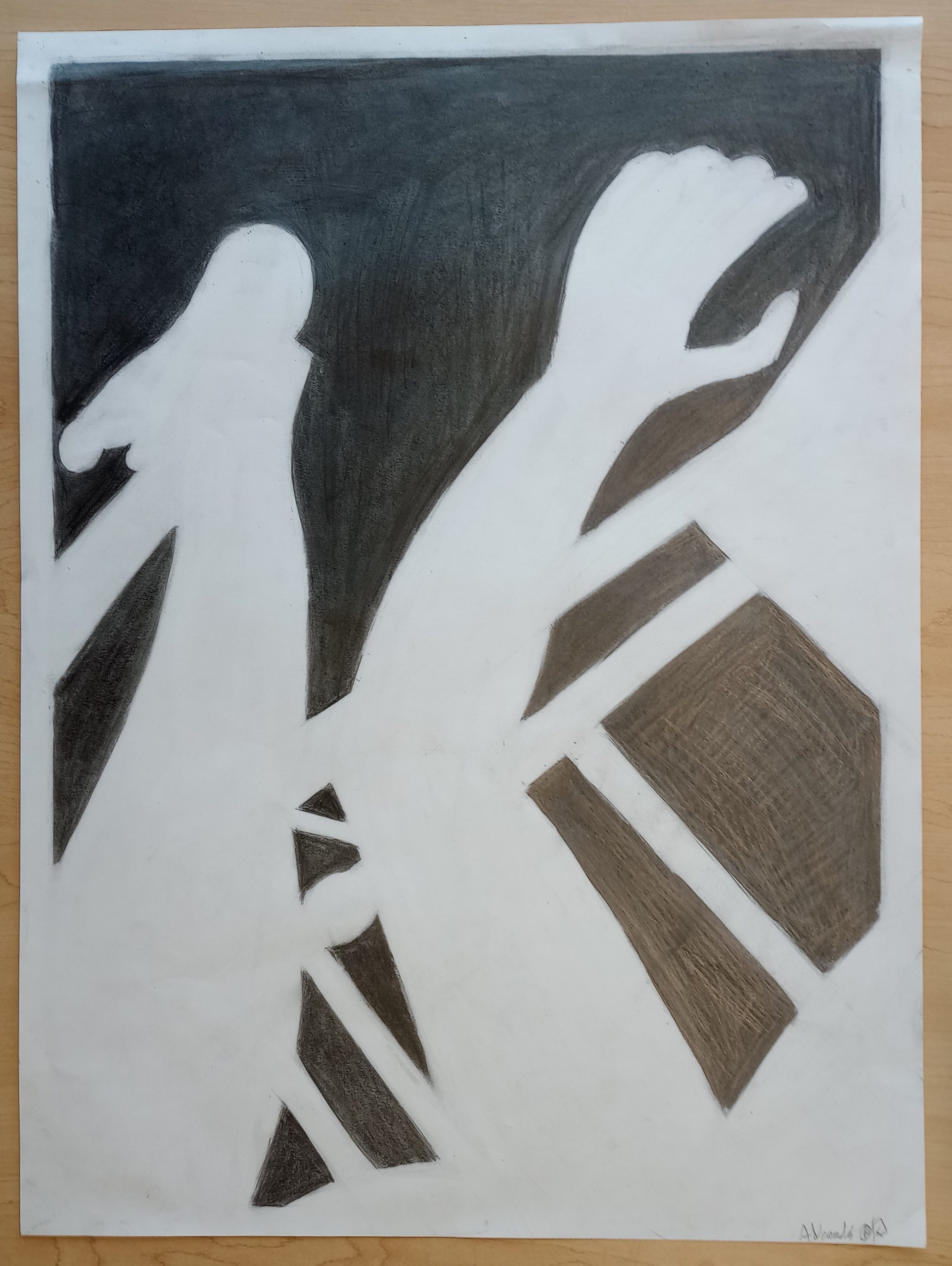
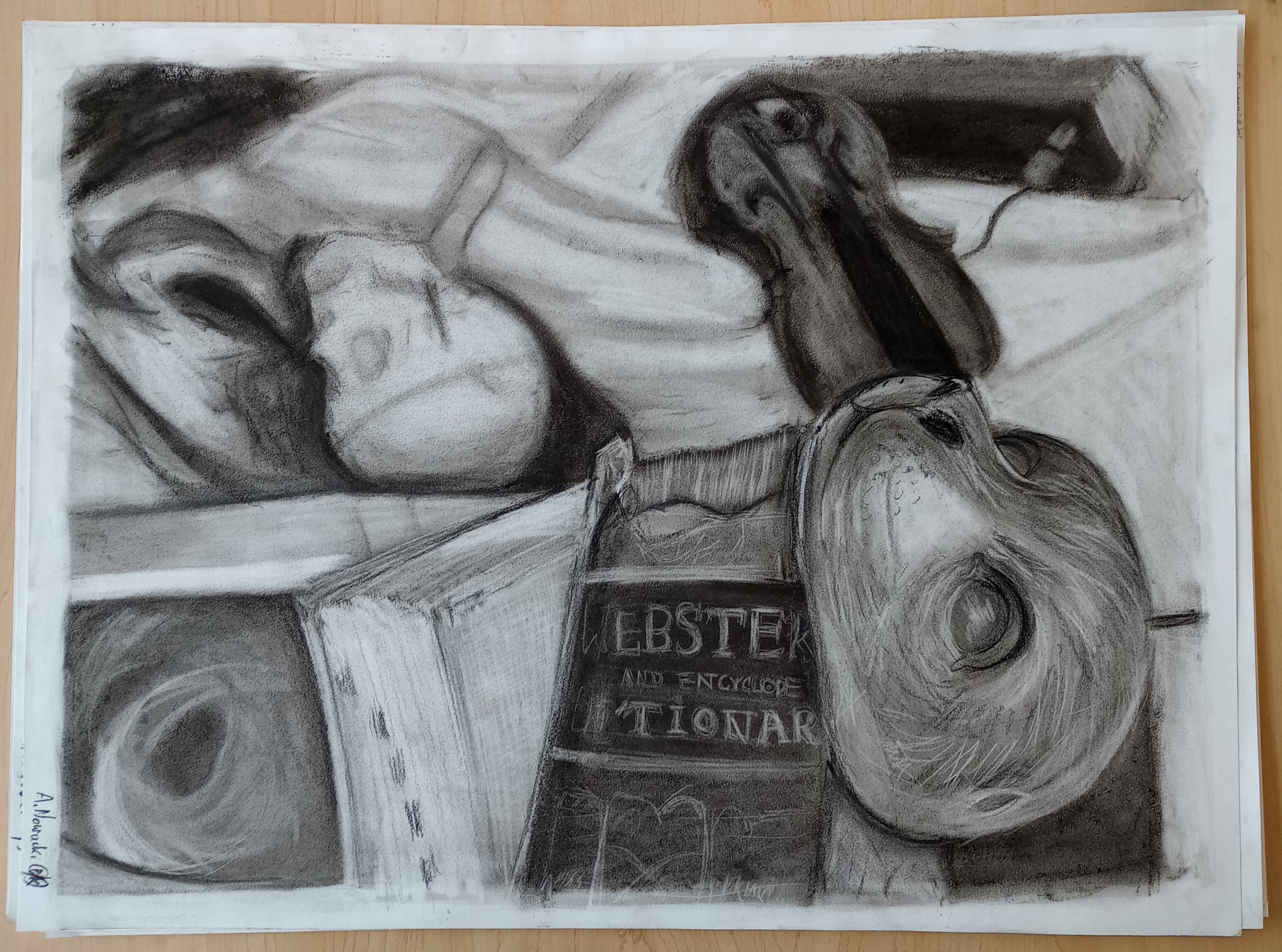
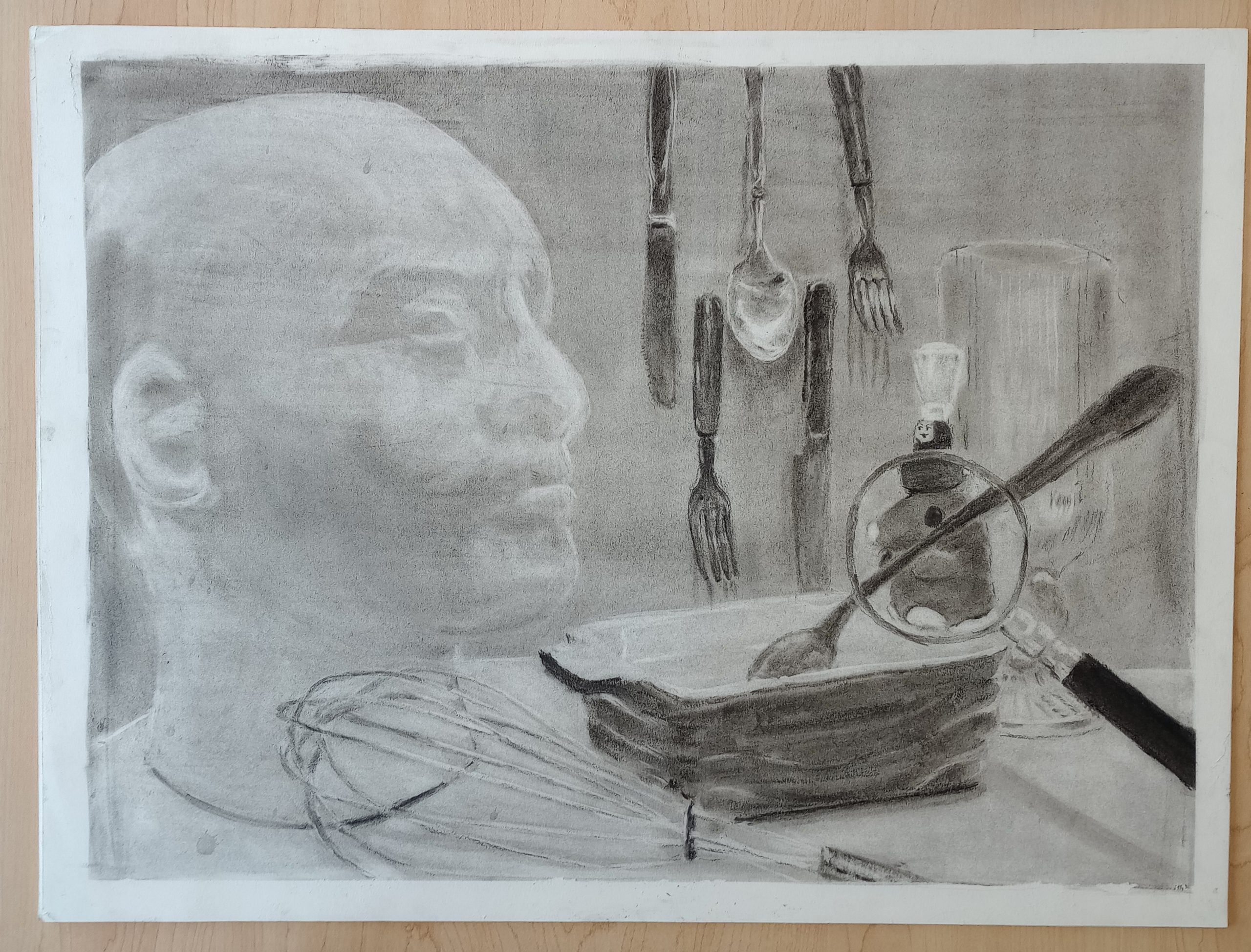
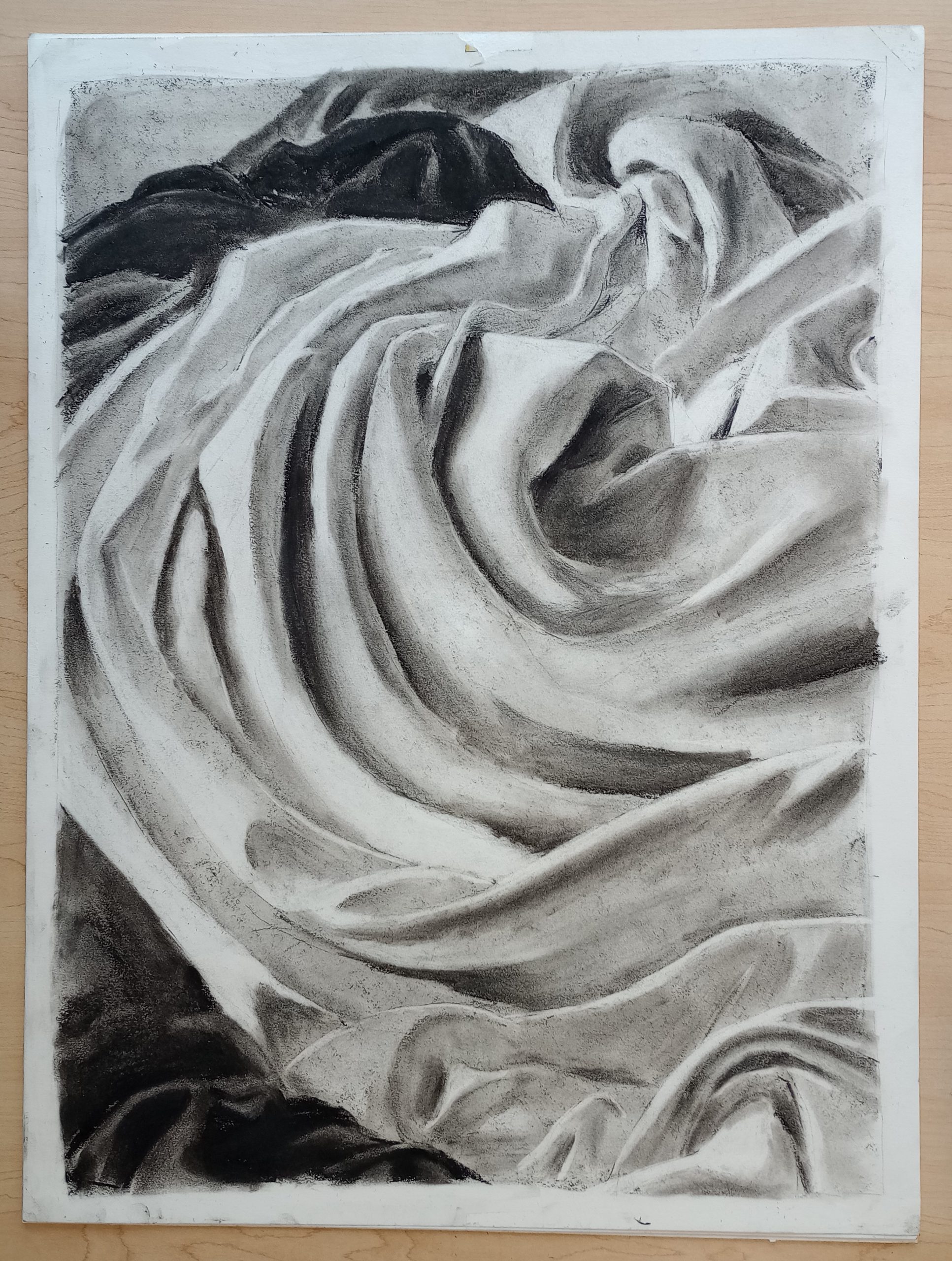
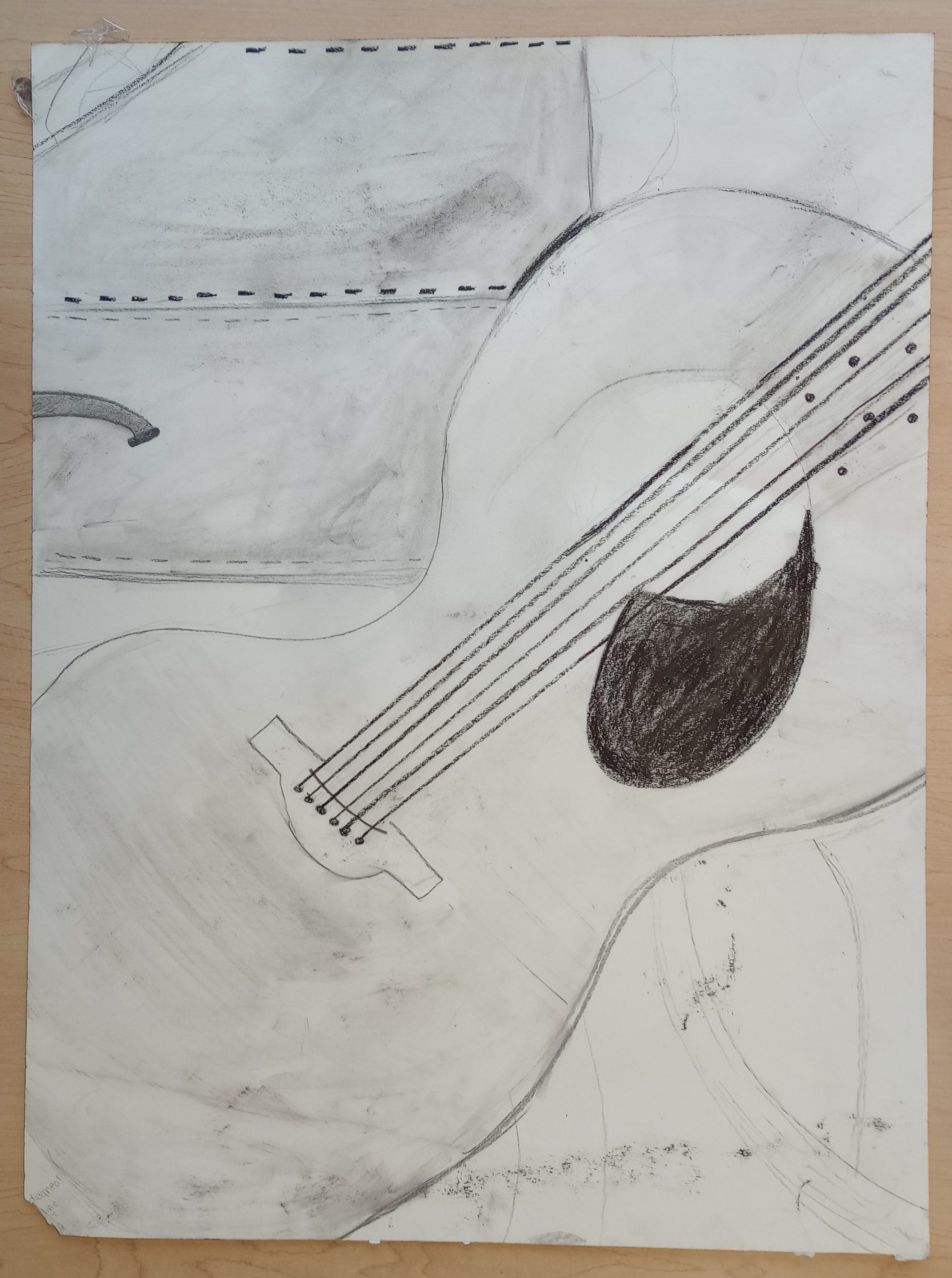
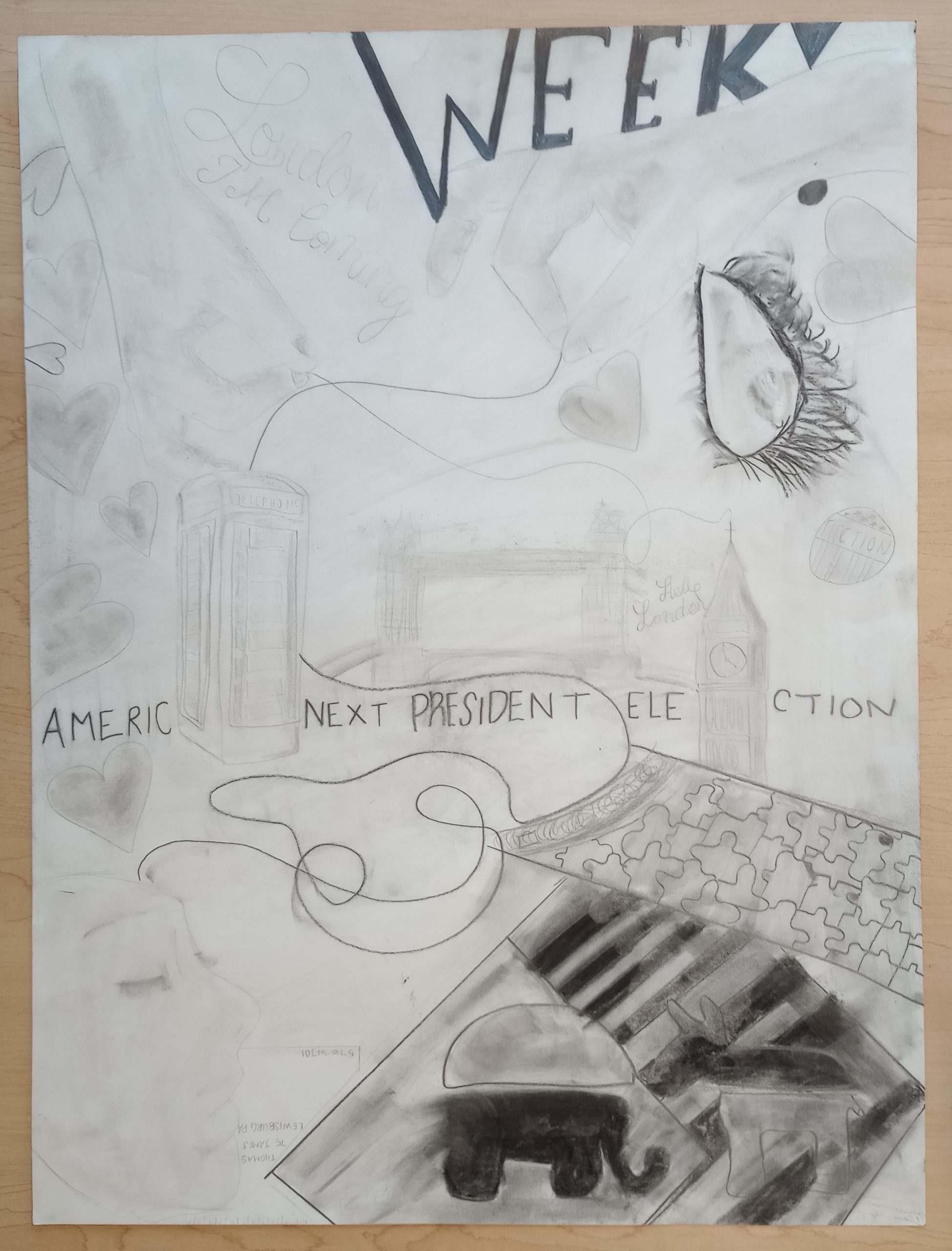
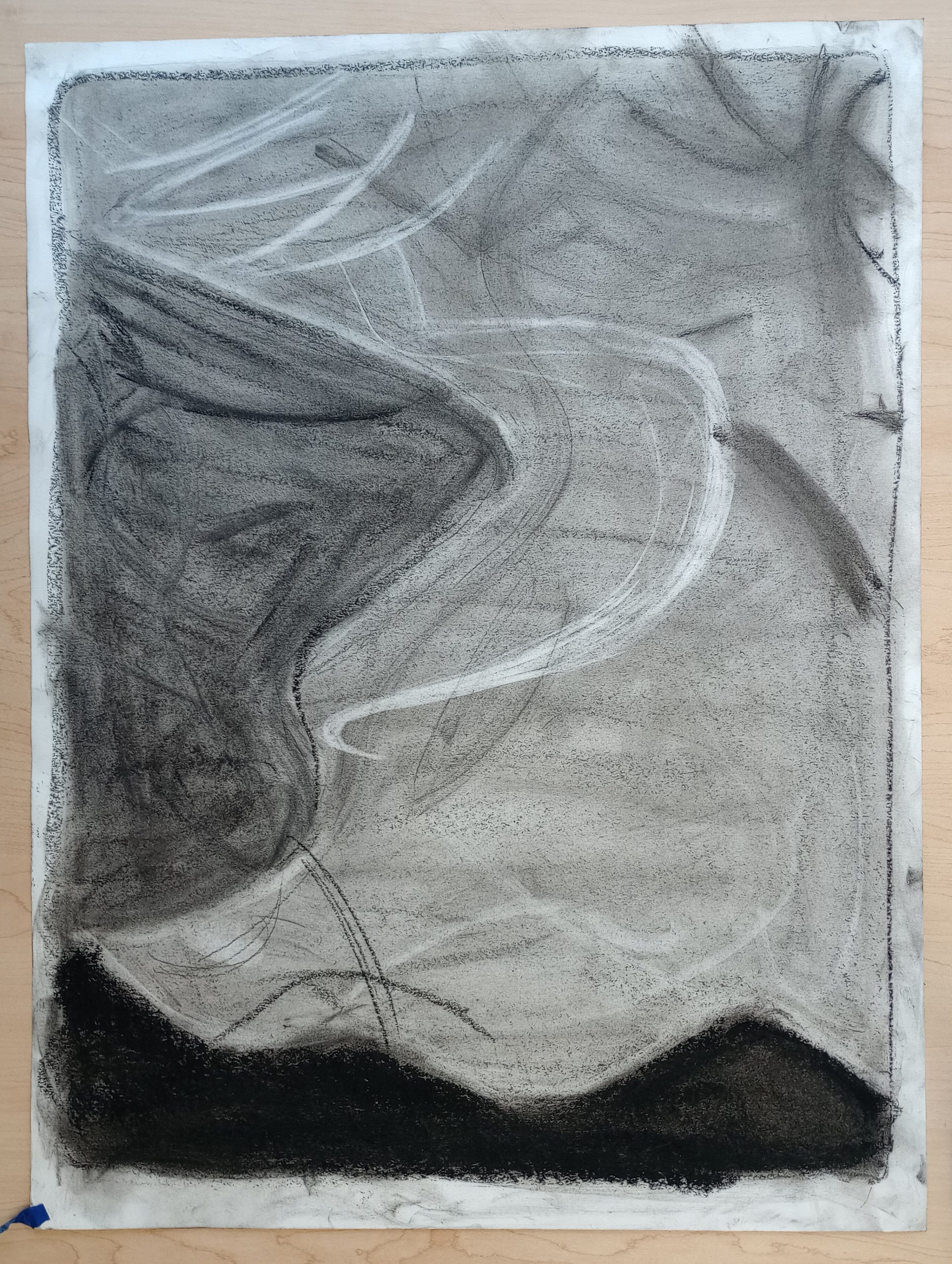
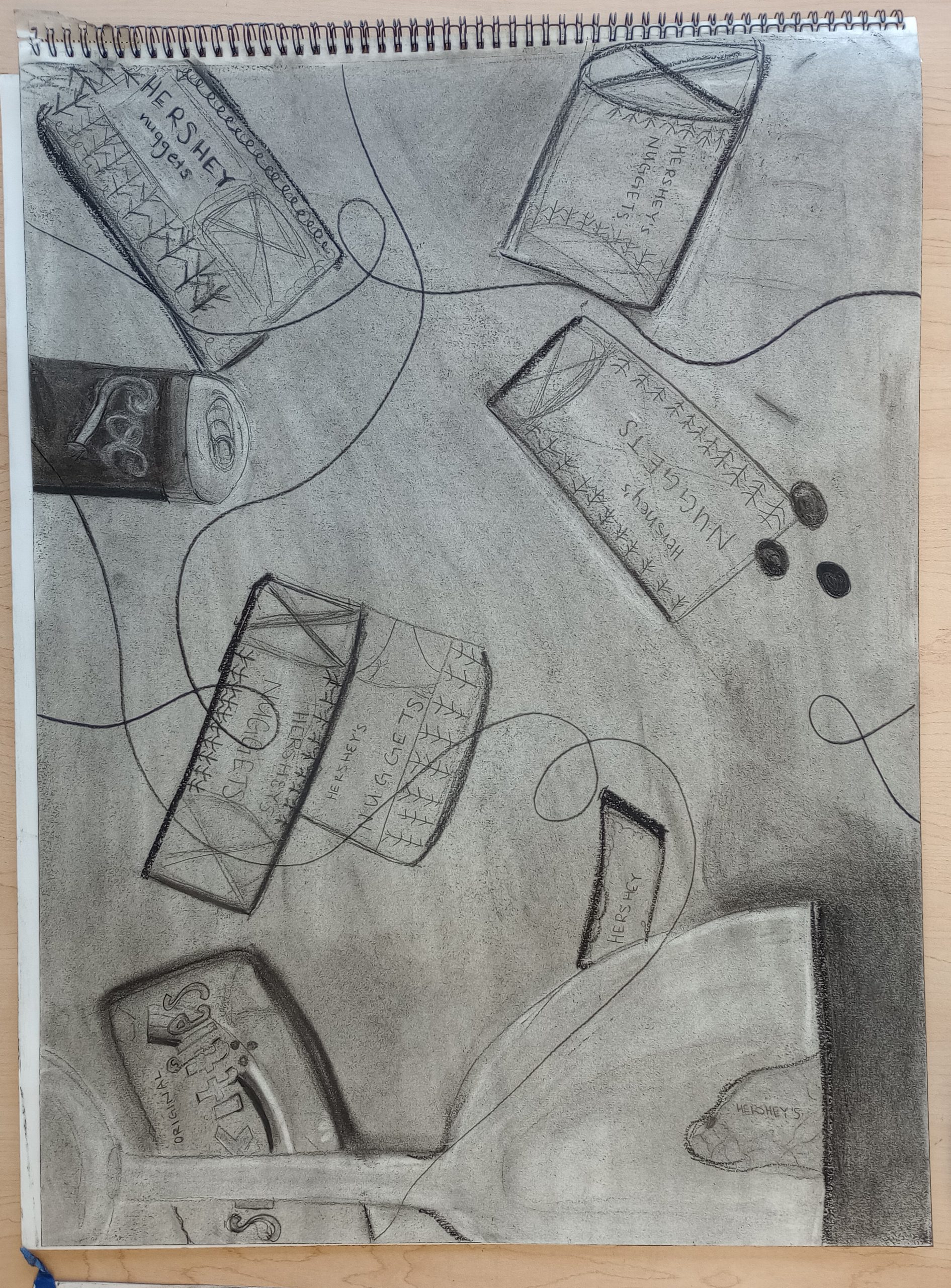
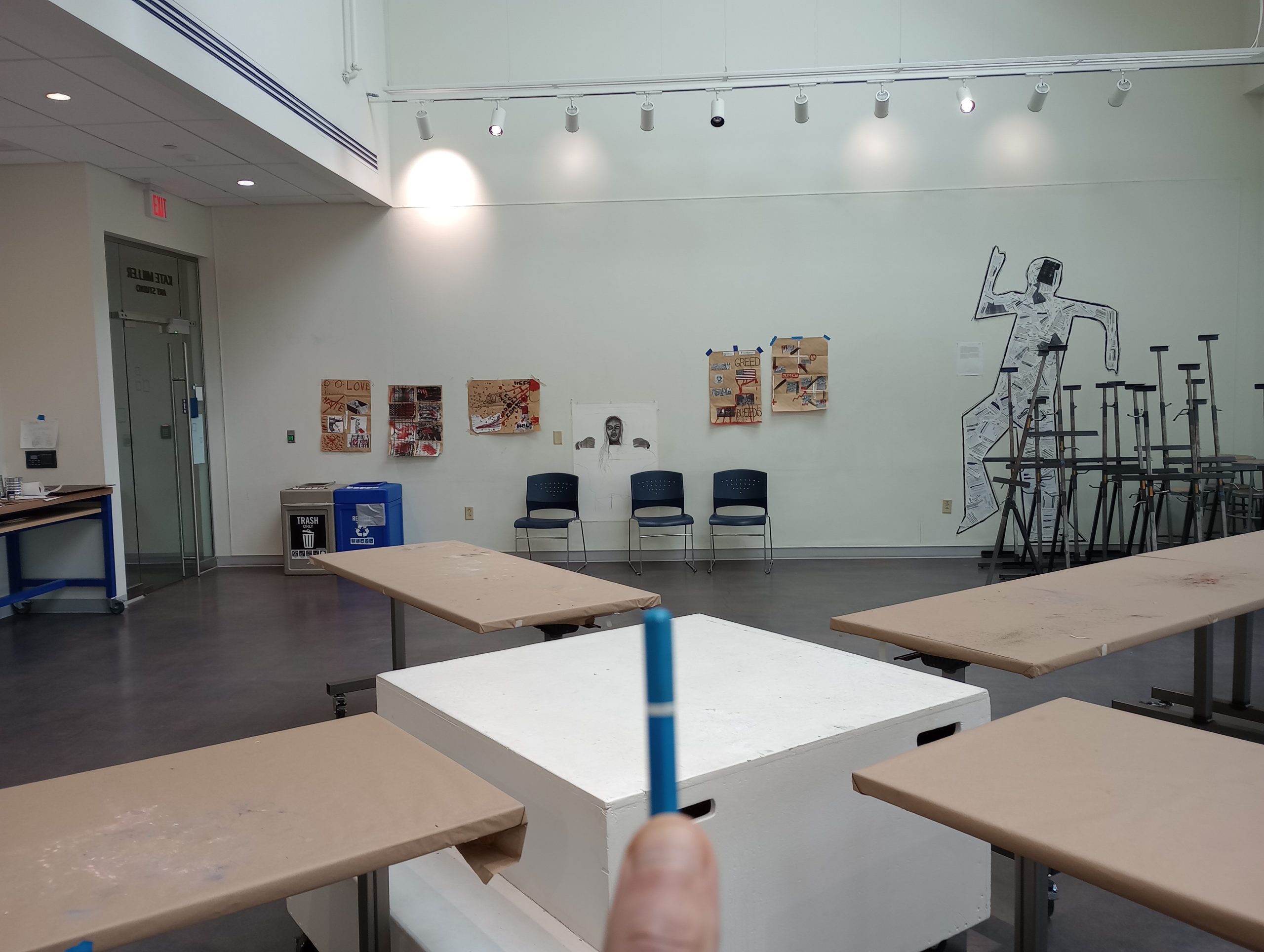
This was me at both the presentation and the art display on 1/29/25
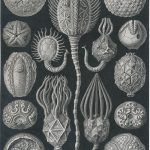
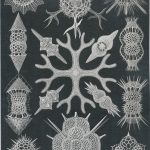
See more of Haeckel’s drawings at: http://sculpture1.blogs.bucknell.edu/?p=1565
Read more about Haeckel’s life and work at: https://en.wikipedia.org/wiki/Ernst_Haeckel
In this film, I learned that radiolaria are microscopic, single-cell, oceanic plankton, that have a network of branching pseudopods that engulf and absorb tiny prey. They absorb silica and extrude it to create a unique, radial skeletal structure, which inspired their radial name. They are within the kingdom Protist, whose name is derived from the Proteus, a Greek god of rivers and oceans, who is known for changing his shape. He is mutable and capable of assuming many forms, which is fitting for radiolaria since it can assume many forms. This subject matter was most intriguing to Haeckel because he was both interested in the scientific, biological and evolutionary aspects of radiolaria as well as the artistic forms that they appeared in. His interest in both the scientific and artistic aspects of biology was intriguing to me, especially as someone who also has interests in both STEM and art. His appreciation of visual arts allowed him to further appreciate and record in detail the radiolaria as he describes them as girds, nets, stars, bowls, helmets, houses, towers, etc. He appreciates the aesthetic and pleasing shapes of the radiolaria as well as their scientific importance.
This film reminded me that art is everywhere and exists in everything from nature, science, technology and more. The principles and elements of art including unity, contrast, repetition, line, form, color, are seen everywhere, but it takes a keen eye and interest to find the art and beauty in everyday things, even subjects like science that may seem far from creative and artistic.
I’ve found Haeckel’s evolution theory interesting as it claims that evolution grows upward and is self organizing, so that it is an endless cycle of the refinement of structure. I agree with this because it suggests that no creature or life form is ever in its final state; its form can keep changing and adapting to its environment. I interpret this theory such that nature is a never ending artistic process that constantly changes and is redesigned to adapt. This is similar to the design process in art – a product or a design can keep changing to fit criteria or circumstances to achieve value, efficiency, purpose, aesthetics, and beauty.
i really enjoyed looking at this exhibit!