Month: February 2022
Kaitlin Henry: Electra
Title of Event: Electra directed by cfrancis blackchild
Date and time of event: Thursday, February 24 at 7:30 p.m.
Location of Event: Tustin Studio Theatre
Type of Event: Play
1.) Provide a brief detail-oriented technical description or summary of the event you attended. (This section should remain journalistic and should not be reflective of your opinion.)
Electra is a play written by Sophocles and was redirected by cfrancis blackchild. The event was a performance by Bucknell’s undergraduate students of the revised play containing elements of musical art, dance, visual art (costumes, stage design, etc), and acting.
2.) Use the section below to write a well-structured paragraph focusing on your personal critical insight/response to the event. How did you interpret or react to what was presented to you?
The main actor who played Electra was an amazing performer, with her ability to portray the emotions of her character and channel all of her energy into the storyline was exquisite. In addition, the other actors did an amazing job on the stage, which was surrounded on three sides by chairs for an audience (I viewed the dress rehearsal so the seats were not all filled). In addition to these aspects, the actors’ ability to use interpretive dance during scenes and the director’s creation of rituals throughout the play to contrast our modern rituals (hugging, handshaking) was another impactful layer to the play. The interactive set in which the light shifted as the play continued and the costumes that fit the context of the play are only certain perfected characteristics of the complexity of this play. As someone who does not often view plays or musicals, this performance was one I was enthralled with the whole way and I left thinking deeper on ancient stories of women in situations of power struggles.
3.) What information, ideas, images, etc. most impressed you and why?
I was most impressed by the main actresses’ ability to complete long and complex monologues with perfect tone and emotion. In addition, I love consistent themes and messages conveyed in art, and in this play the overarching themes of power inequalities and feminism were amazing.
4.) Overall, how would you rate this event (10 being the most worthwhile)?
(10 / 9 / 8 / 7 / 6 / 5 / 4 / 3 / 2 / 1 )
Ten
5.) Justify your rating in the question above:
This event was amazing, and the director’s ability to revise the story of the main female characters was an amazing use of revisionist storytelling. I was able to attend a talk by her before the performance where she talked about how she revises the stories of powerful women in historical literature, especially in tragedies, like in Electra or in Madea. Her ability to create visually and emotionally impactful work while also revising the story to fit a more feministic approach to these ancient tragedies is brilliant and impactful.
Abbie Ryer – ArtxPose: Samek Museum
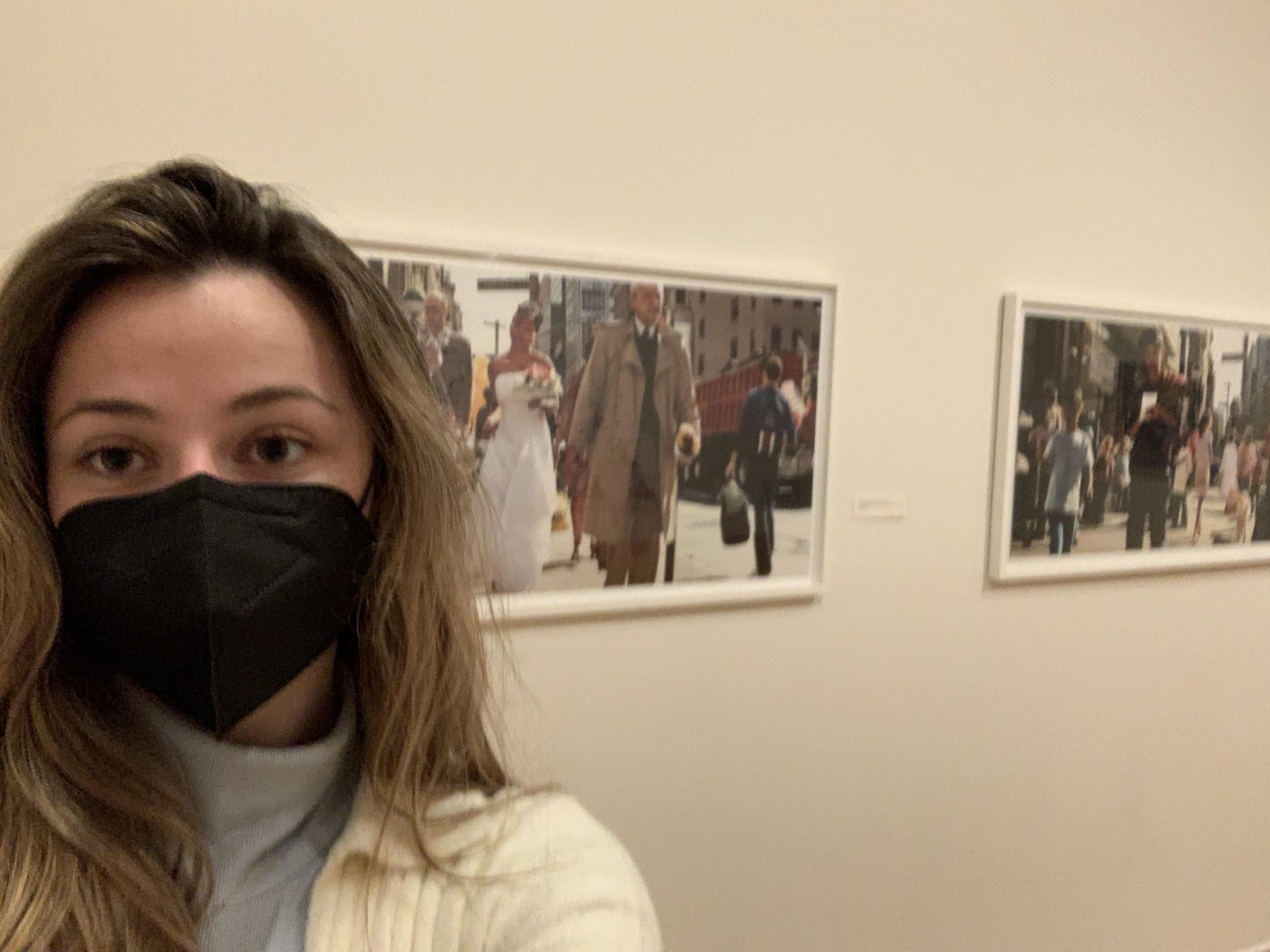
Title of Event: Screen Time: Photography and Video Art in the Internet Age
Date & Time of Event: Thursday February 24th @2:30pm
Location of Event: Samek Art Gallery
Type of event: Gallery Tour
Grace Hauer artXpose #2
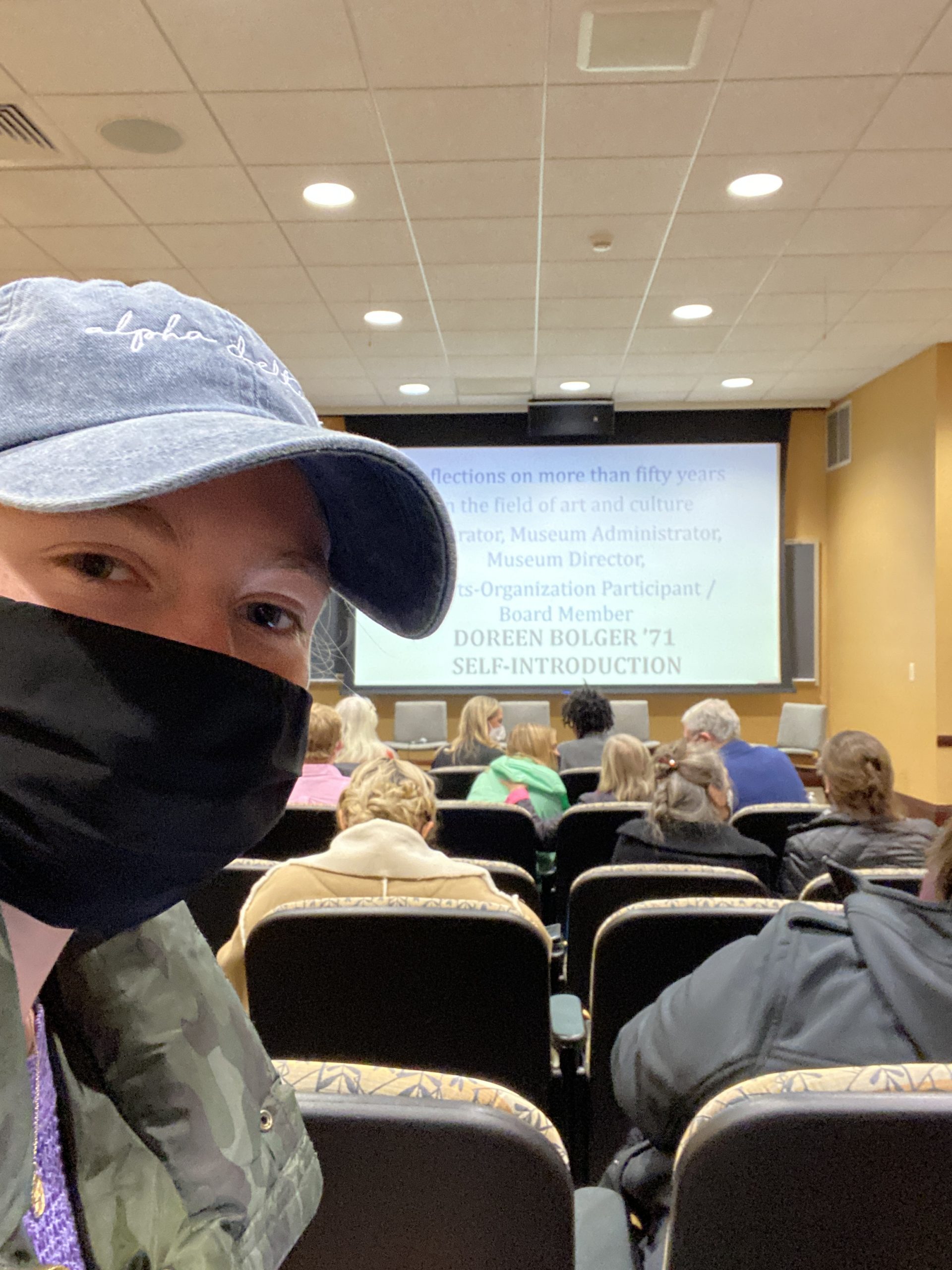
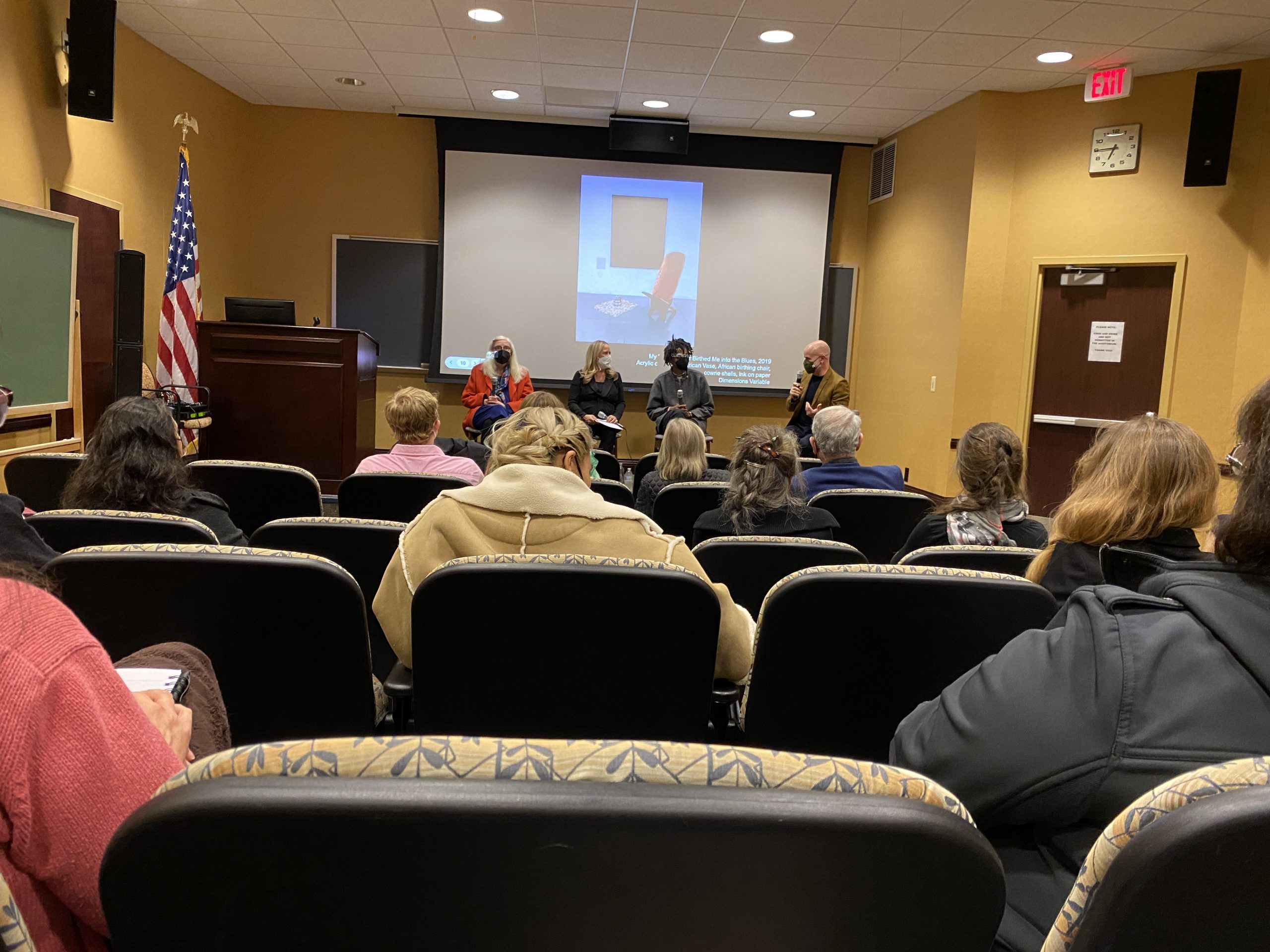
Title of Event: Same Distinguished Art Lecture Featuring Doreen Bolger, Bridgette Mayer and Le’Andra Le Seur
Date & Time of Event: Tuesday February 22nd 6 pm
Location of Event: Samek Art Gallery
Type of event: Artist/Curator Panel and Reception
Grace Hauer ArtsXpose #1
Title of Event: Samek Art Gallery Expositions
Date & Time of Event: Thursday February 17th 12 pm
Location of Event: Samek Art Gallery
Type of event: Exposition
“London” ART21 ArtsXpose: Abbie Ryer
“London”, from season 10 of “ART21” features four different artists with quite different careers, passions, styles and visions for their artwork. The film begins with Anish Kapoor, who challenges the way in which we “know” geometry to make it “unknowing”. His illusionistic sculptures draw great attention as viewers question the possibility of the art and their perceptions of it. I was fascinated by the artist’s words that “truly opening oneself to oneself” as an artist “is that hardest work you can possibly do” (ART21, 12:20). By this I wonder if he meant allowing oneself to be completely free with creativity without self judgment, truly allowing free internal thought, something I struggle with when being creative.
John Akomfrah, the second featured artist, works to create a sense of belonging through his multiscreen films. The artist takes a unique view on his work and describes it as a way to bring the “past, present and future” into “some sort of whole” with relevance to black history (ART21, 19:42). I was intrigued by Akomfrah’s incorporation of past events to “make sense of the present” in supporting the black community through art. The concept of events in time coming together to create the present is what his artwork depicts though multiple physical screens at once making up a large screen film piece.
Also considering history, Phyllida Barlow is greatly inspired by the 1940s in London. During this wartime, London was in a state of constant destruction and reconstruction.Which she depicts through her sculptures of abandoned industrial objects. Neon colors are incorporated into her work, symbolic of industrial areas marking urban environments. Her approach was exciting as she developed pieces to create a relationship between “you, the work and the place”.
In terms of relationships in art, Christian Marclay is focused on the relationship between visual art and sound. He likes to “use the potential of images to create music” and vice versa. Marclay creates what he refers to as “graphic scores” which are essentially drawn visual representations of music scores. As a ballet dancer I have certainly understood how art and music can be connected. I have always thought of dancing as a way of showing music physically, yet hearing Marclay’s story allowed me to consider how an image can suggest sound as well.
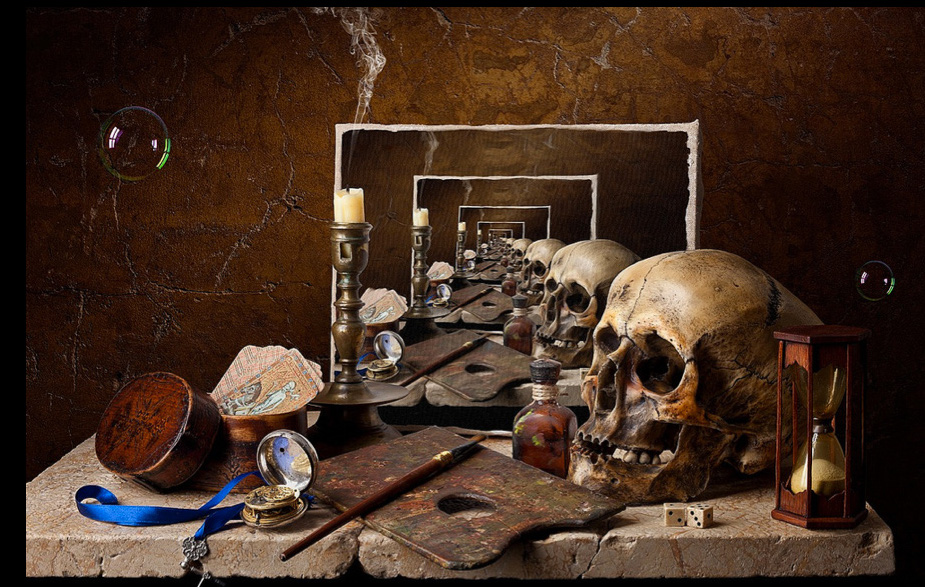
Kevin Best – vanitas still life photographer




























Creative Careers – Curating Exhibitions for Contemporary Artists – Jeffrey Gibbs
- Thursday February 10, 6PM
- On Zoom
- Curator Lecture and Question Opportunity