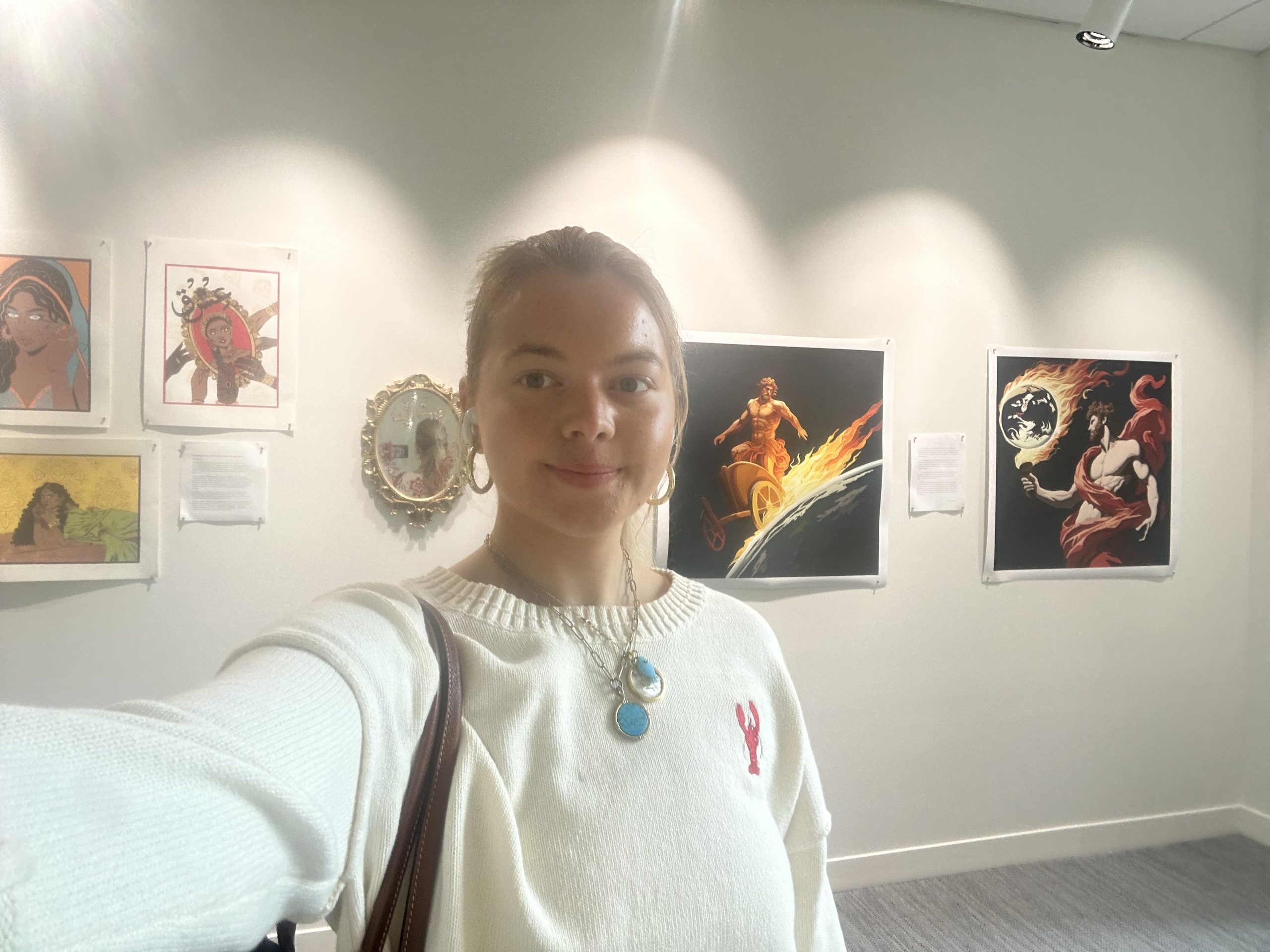
artXpose #3
I think one of the biggest paradoxes in life is how faith and doubt exist at the same time. For my drawing, I want to show the contrast between believing that God has a plan and the uncertainty that comes when things don’t go as you hoped. I’ve always felt that everything happens for a reason, especially when things go wrong. But even with that belief, it’s hard not to question why. Whenever something disheartening happens, I believe God chose me to face that battle. It shows how people lean on faith for comfort, but still deal with doubt when life gets complicated.
I chose to focus on Pepsi buying Poppi because I care a lot about people eating healthy, and this deal feels like a turning point. Poppi built its brand around gut health and natural ingredients, and now that a massive company like Pepsi owns it, I’m wondering if it’ll stay the same. Will they keep the ingredients clean, or will things slowly change to boost profit?
In my drawing, I want to show Poppi as a more petite, brighter figure—fresh and happy-looking—next to a more prominent Pepsi figure that feels more corporate and a little overpowering. I might also add a person who represents everyday people, like the average consumer, caught in the middle of this deal and unsure what to think.
I’m not going for an objective look—I want to show my point of view. I’m skeptical. I’ll try to show how Poppi and Pepsi interact, maybe through their body language and facial expressions. I want the drawing to reflect hope but also concern and show the tension between a trustworthy brand and a company known for being more profit-driven.
The film Proteus showed how radiolarians are more than just microscopic organisms. They’re a perfect example of how nature is both scientific and artistic. Haeckel was obsessed with them, seeing them as a key to understanding life, and he spent his career drawing and studying over 5,000 species. What stood out to me most about Haeckel was how he combined science and art. He was capturing nature from a scientist’s view while capturing the beauty of nature from an artist’s view. It made me think differently about the relationship between the two. His work proves that art isn’t just for expression and science isn’t just for facts; they can work together to shape how we see the world. The film also showed how people used to see nature as fixed and unchanging, but by the 19th century, science revealed that it was constantly evolving. Haeckel’s admiration for Goethe and the Romantics, who saw nature as alive and imaginative, made him question traditional religion and search for meaning. Another thing I didn’t expect was how much new technology, like the telegraph cables across the ocean floor, changed what people knew about marine life. Before that, scientists thought nothing could survive in deep water, but discovering organisms on the cables proved them wrong. The film also made me think about how Haeckel struggled with his identity. He was studying to be a doctor and then as a scientist, but he loved painting and almost gave up science for art. His time in Italy, where he met poets and artists, deepened that struggle. Seeing how he was constantly pulled between logic and creativity was interesting, which I think many people can relate to.
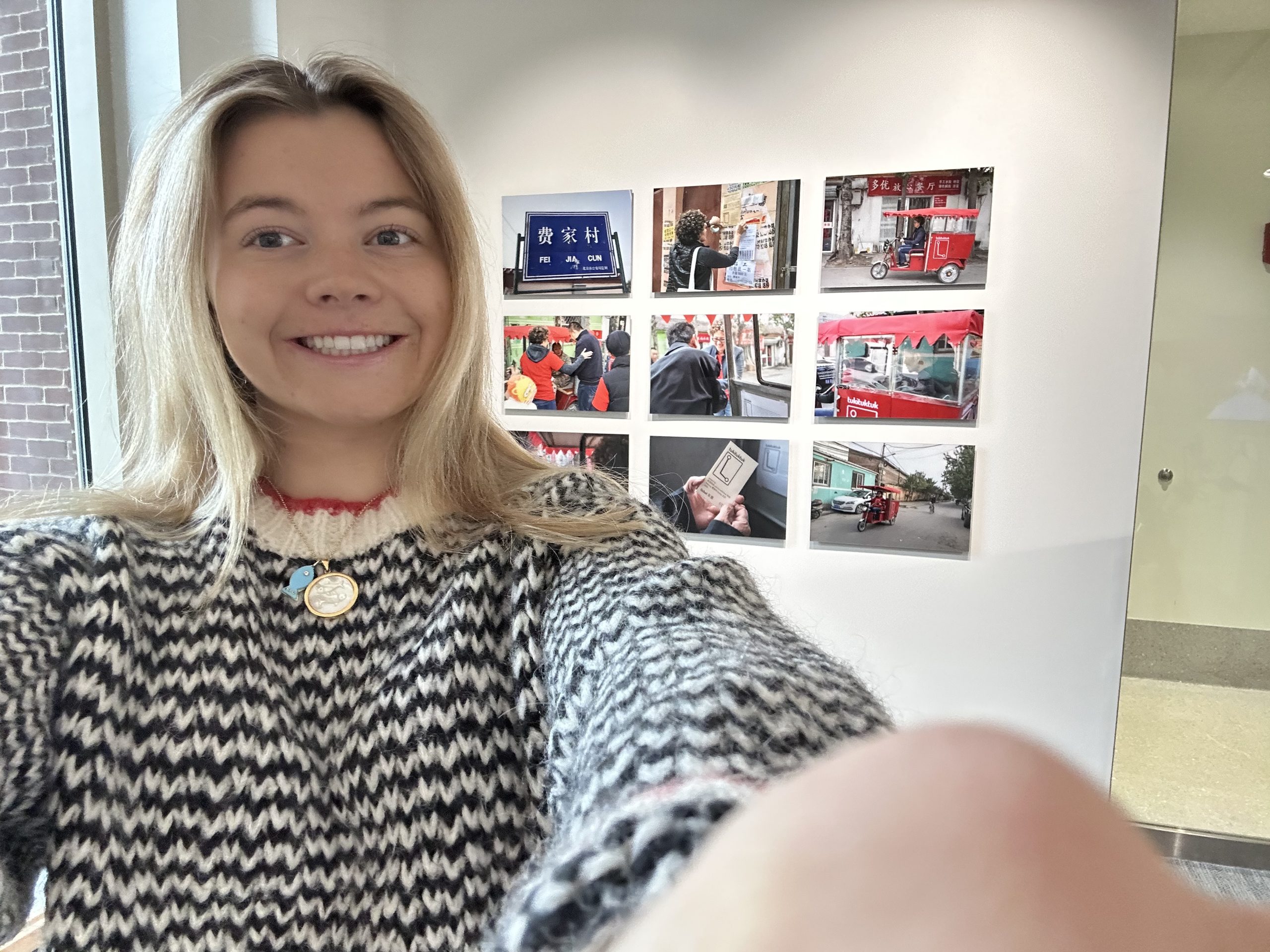
i really enjoyed looking at this exhibit!
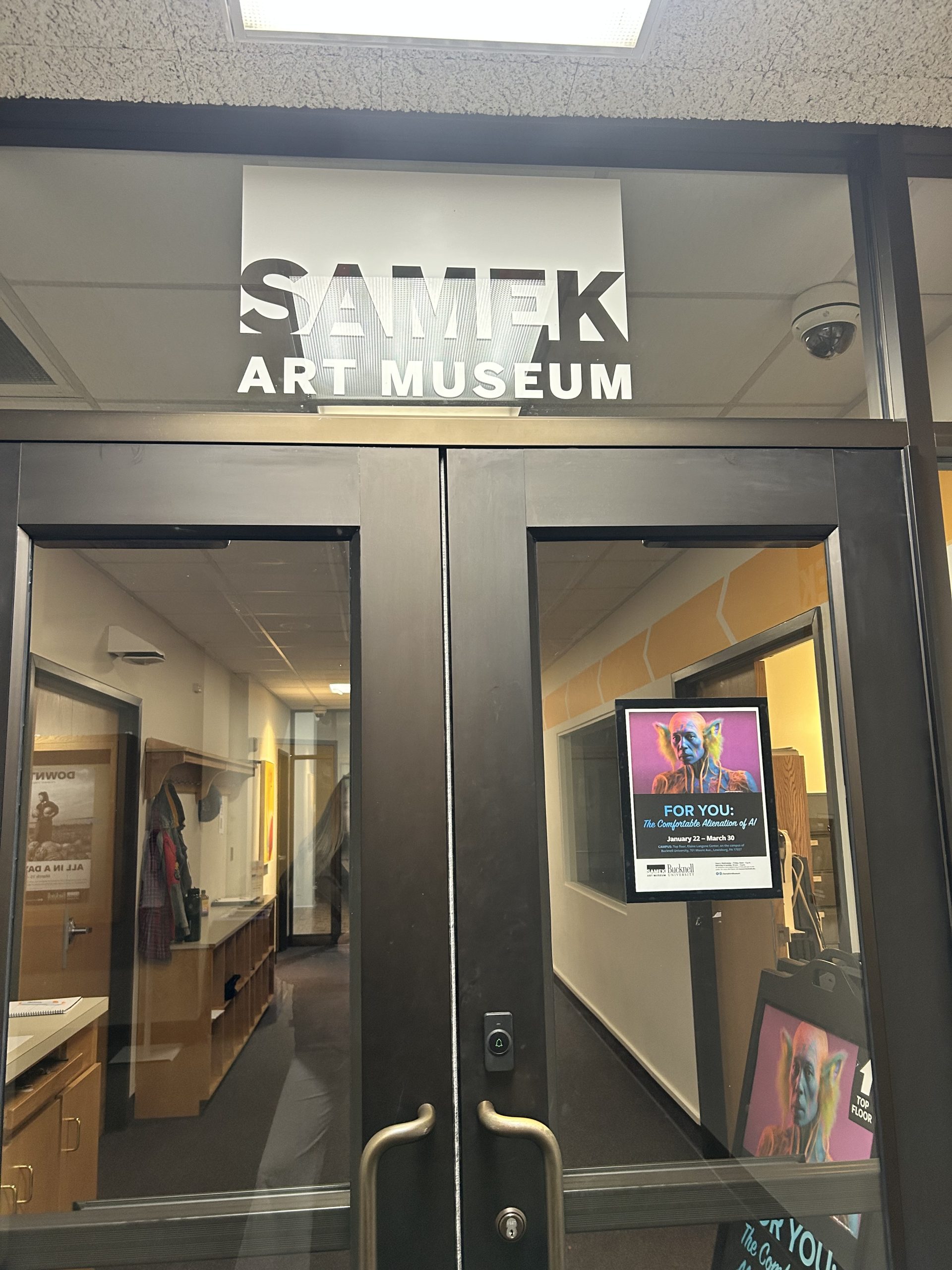
I sat in the car too!!
I chose Charlie and the Chocolate Factory for this project because it’s one of those stories everyone knows—The Golden Ticket, the spoiled kids, and Wonka’s Factory. Each kid’s fate pretty much matches their personality and self-obsession; Charlie wins because he’s the only decent one. At its core, the story is about imagination, consequences, and how being a good person actually matters. It’s stuck around so long because it’s fun, a little weird, and still makes people think about what they’d do if they got their own golden ticket. Plus, the images of candy definitely help keep people interested.
One moment I focused on was when Wonka announced the factory’s reopening. It’s what kicks everything off, but I started wondering—what if none of it was real? I had chocolate and a wine glass sitting in my room, and it got me thinking: What if Wonka, after a few too many drinks, just made the whole thing up? What if the factory, the golden tickets, and even the kids were all part of some elaborate fantasy?
In my version, the story would lean into that idea, blurring the line between reality and imagination. “Wonka” is just a regular guy who dreamt of this whole idea of owning a chocolate factory to leave their boring reality. My art piece resembles this idea by making the viewer wonder if this popular movie was some normal guy’s escape.