Title of Event: Senior Art Exhibition Opening & Reception
Date & Time of Event: Wednesday, April 23, 2025, 6:45pm
Location of Event: Holmes Hall exhibition space
Type of event: Art Exhibition Opening & Reception
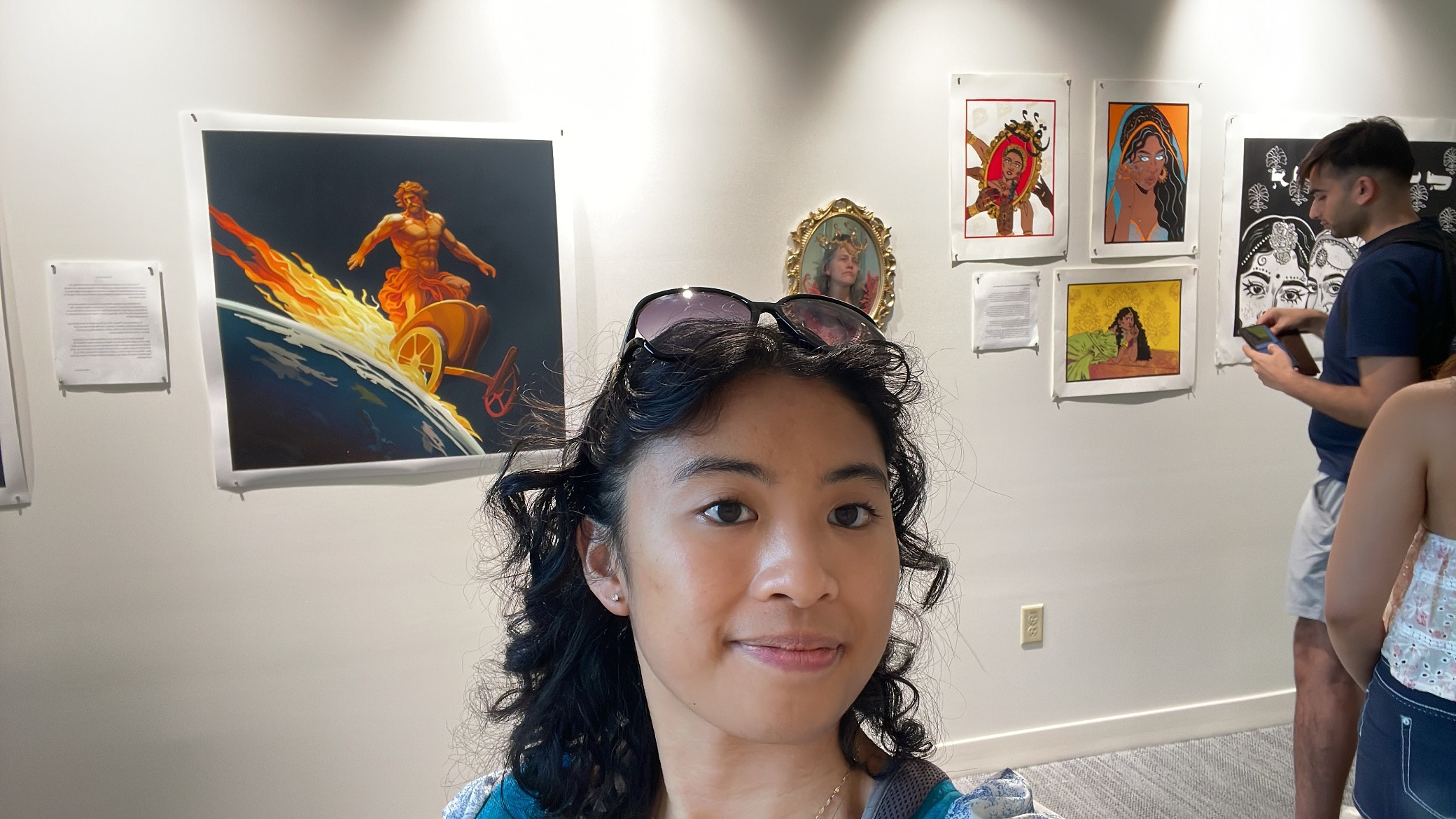
Title of Event: Senior Art Exhibition Opening & Reception
Date & Time of Event: Wednesday, April 23, 2025, 6:45pm
Location of Event: Holmes Hall exhibition space
Type of event: Art Exhibition Opening & Reception
Title of Event: Student Art Exhibit
Date & Time of Event: Thursday, April 17, 2025, 7:00pm
Location of Event: Samek Gallery
Type of event: Gallery Opening
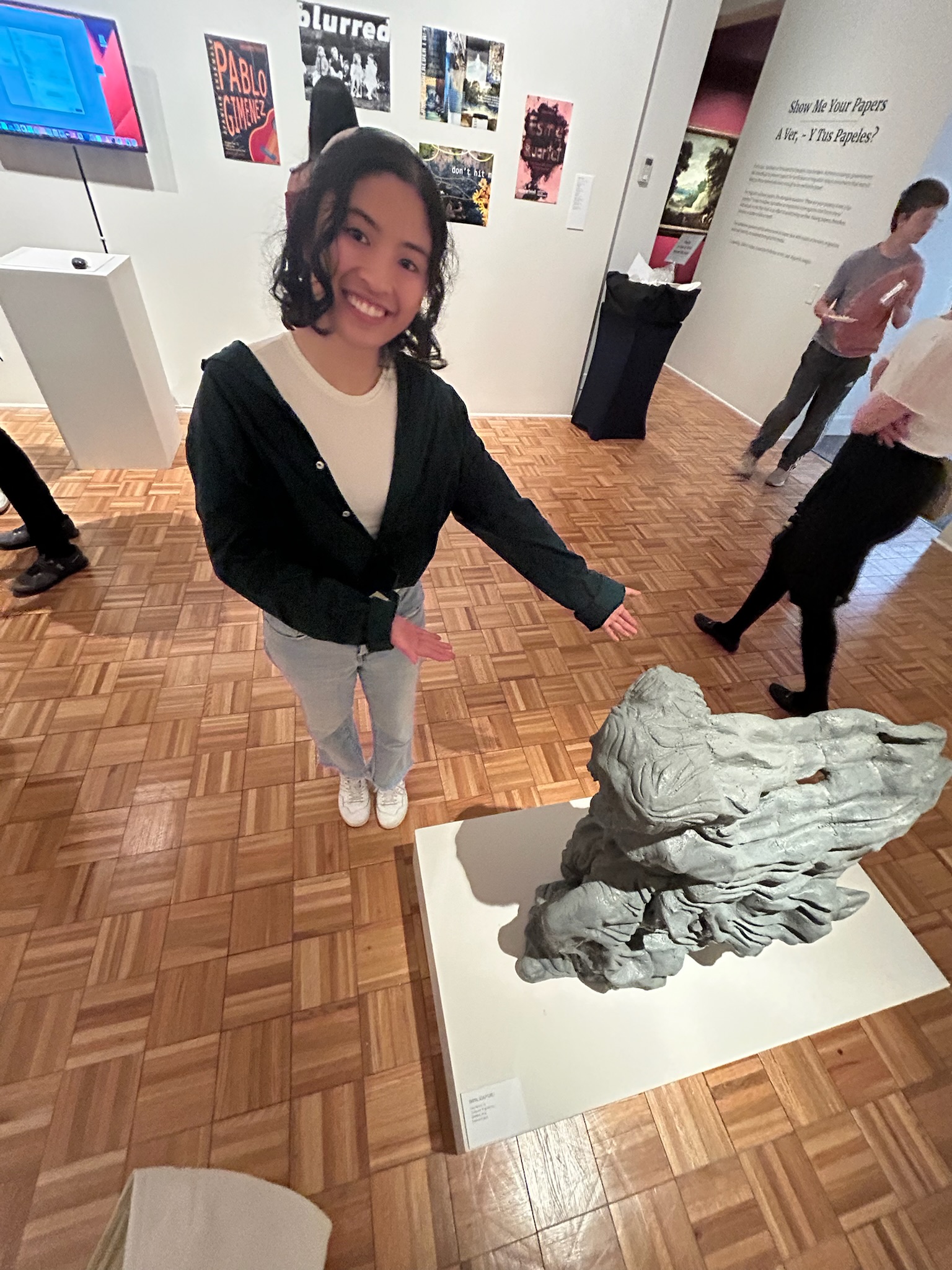
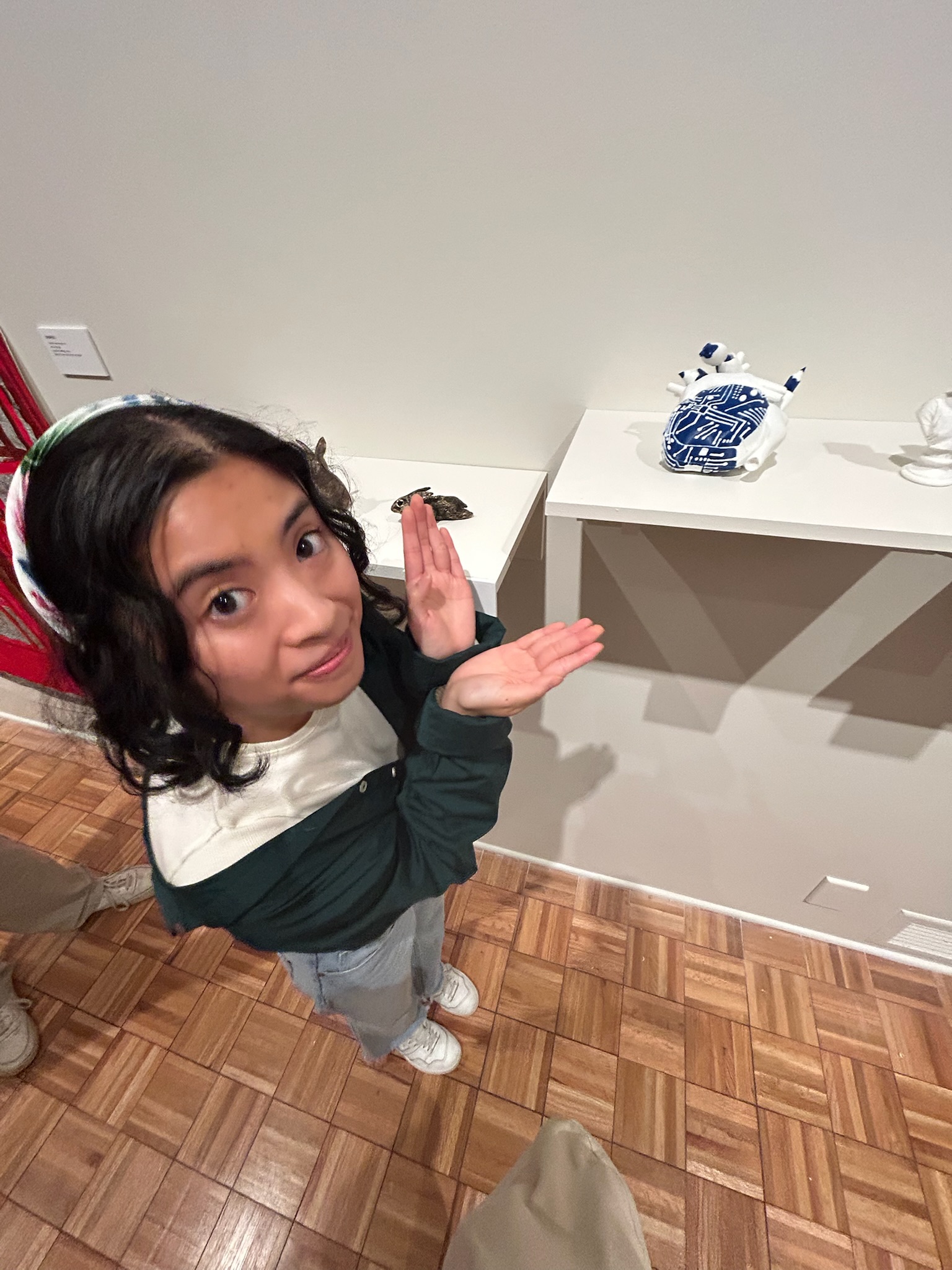
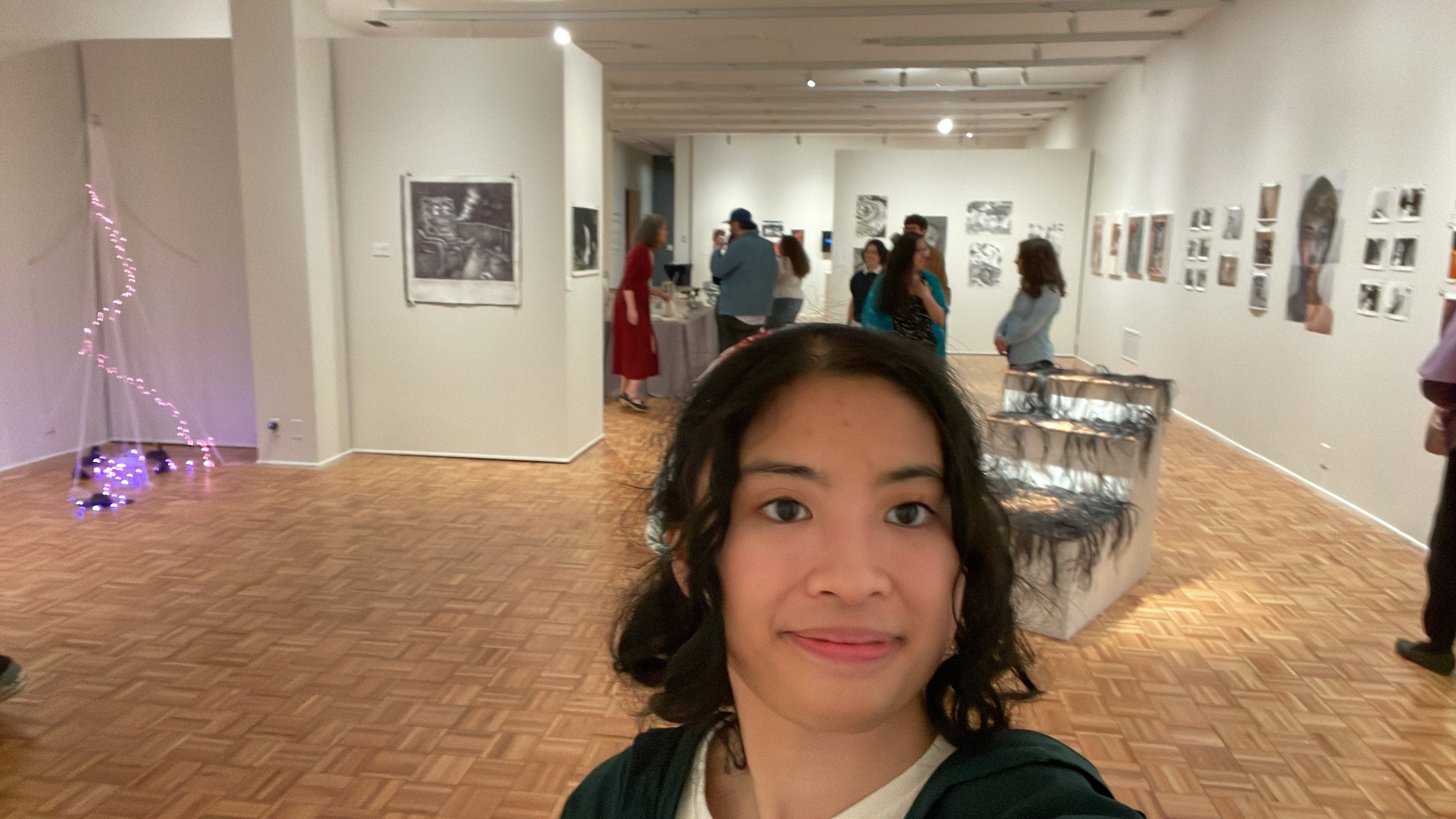
Humans are inherently curious to explore, and to build, and become successful, and as a result, they can be obsessed with gaining wealth and materialistic ownership to prove their success and achievement. However, in death, humans cannot take their materialistic objects nor wealth with them. Moreover it is fear and risk that holds them back from being too curious and pursuing too much. The looming fear of the unknown death puts into perspective the fleeting nature of human endeavors. This juxtaposition of curiosity and fear, is the foundational paradox to the progress of humanity – of how we keep creating and gaining, but cautiously do so. And similarly, materialistic goods are an outcome of human success, progress, creation, and achievement, but it is impermanent in our lifetimes. But what is more permanent is the legacy that each human and groups of humans leaves behind, not necessarily their material wealth they’ve accumulated when alive.
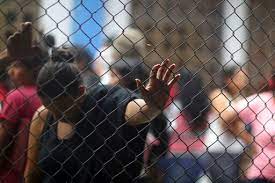
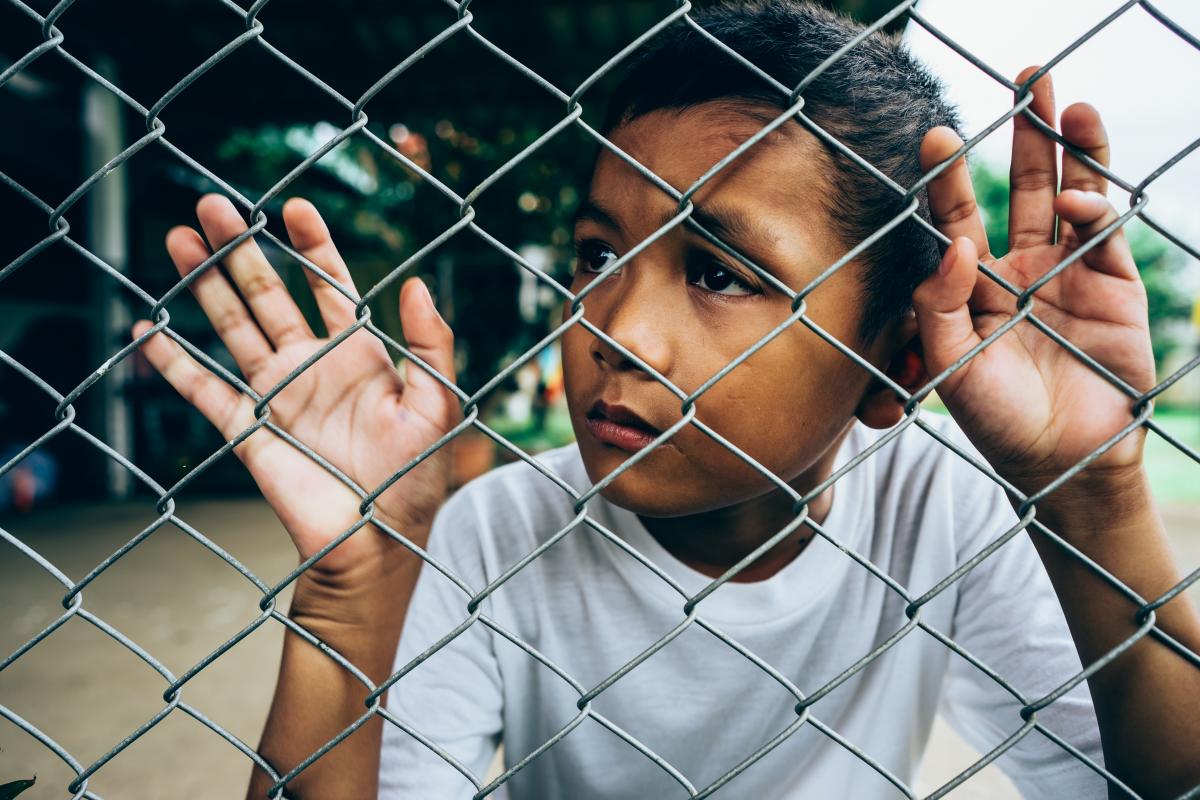
Step 1: 10 Reference Images








Step 2: Written Response
Under the new administration, stricter immigration laws have resulted in more detained immigrant families with young children, and more international students. To many, the reasons for these detainments may seem unfair and unjustified and as a result. I have chosen this topic because as a daughter of immigrants, I empathize with the stories and struggles of those who come to the U.S. seeking a better life. It is heartbreaking to see families who have worked hard to establish themselves and provide a better future for their children suddenly and aggressively detained due to their immigration status.
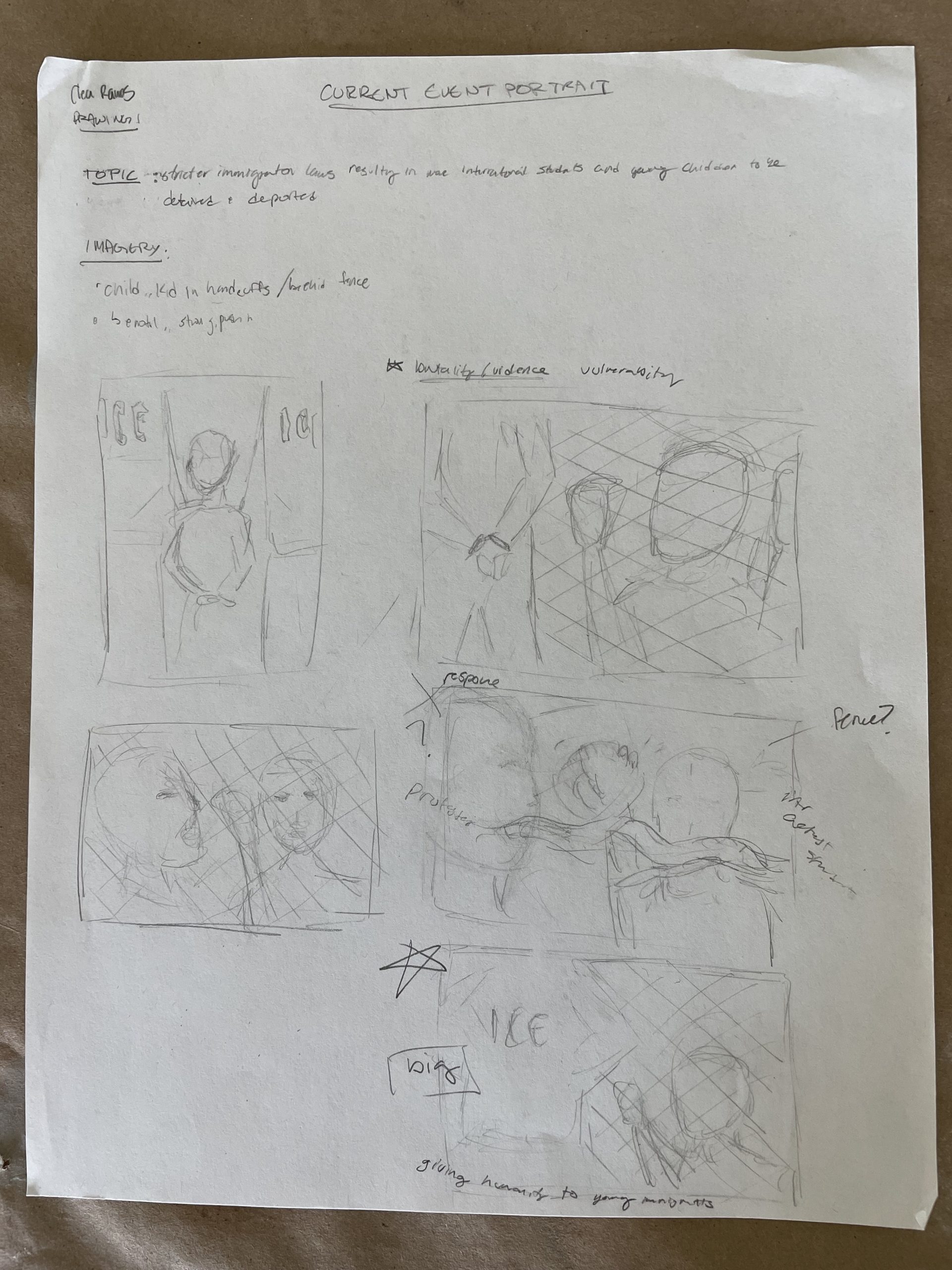
In my research for this project, I learned about a recent event of an undocumented immigrant family, including their young child, who was arrested by ICE. I want to include a representation of this detained child in my drawing as well as an ICE police officer to draw attention to the unnecessary aggressiveness and brutality of the enforcement efforts, which often result in the vulnerability, emotional trauma, and tragedy for immigrant families and their young children. I want to represent this event in an objective and realistic manner to elicit an emotional and resonant response by focusing the composition on the sadness and vulnerability of a young, detained child. So, I hope to emphasize the emotional fear, and vulnerability that undocumented immigrant families currently face as a result of immigration laws and the hostile efforts of ICE.
Step 3: Thumbnail Sketches
In this film, I learned that radiolaria are microscopic, single-cell, oceanic plankton, that have a network of branching pseudopods that engulf and absorb tiny prey. They absorb silica and extrude it to create a unique, radial skeletal structure, which inspired their radial name. They are within the kingdom Protist, whose name is derived from the Proteus, a Greek god of rivers and oceans, who is known for changing his shape. He is mutable and capable of assuming many forms, which is fitting for radiolaria since it can assume many forms. This subject matter was most intriguing to Haeckel because he was both interested in the scientific, biological and evolutionary aspects of radiolaria as well as the artistic forms that they appeared in. His interest in both the scientific and artistic aspects of biology was intriguing to me, especially as someone who also has interests in both STEM and art. His appreciation of visual arts allowed him to further appreciate and record in detail the radiolaria as he describes them as girds, nets, stars, bowls, helmets, houses, towers, etc. He appreciates the aesthetic and pleasing shapes of the radiolaria as well as their scientific importance.
This film reminded me that art is everywhere and exists in everything from nature, science, technology and more. The principles and elements of art including unity, contrast, repetition, line, form, color, are seen everywhere, but it takes a keen eye and interest to find the art and beauty in everyday things, even subjects like science that may seem far from creative and artistic.
I’ve found Haeckel’s evolution theory interesting as it claims that evolution grows upward and is self organizing, so that it is an endless cycle of the refinement of structure. I agree with this because it suggests that no creature or life form is ever in its final state; its form can keep changing and adapting to its environment. I interpret this theory such that nature is a never ending artistic process that constantly changes and is redesigned to adapt. This is similar to the design process in art – a product or a design can keep changing to fit criteria or circumstances to achieve value, efficiency, purpose, aesthetics, and beauty.
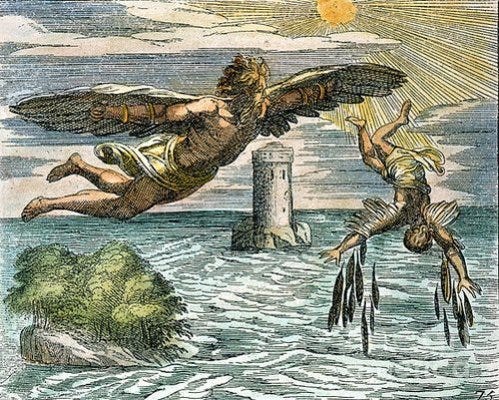
I have chosen the Greek myth of Daedalus and Icarus. Daedalus, an inventor, made wings of wax and feathers for his son Icarus. He told Icarus not to fly too close to the sun, or his wings would melt. But Icarus did not listen; the warmth of the sun melted his wings and so he plummeted into the sea. I selected this myth because it is one of my favorite Greek myths with a lesson about the risks of being over ambitious by trying to reach the unattainable. It serves as a reminder to not “fly too close to the sun”, and instead to appreciate what you have and to be reasonable. I also thought that the story would translate well for this project due to the imagery of the sun, water and wings. The key moment I have chosen to depict is the moment where Icarus’ wings melt and he falls into the sea. This climax of the story is a dramatic moment that artists have depicted over centuries to capture the story, so I am eager to create my own rendition of this scene with found objects. However, in my diorama, I have included a large hand reaching out from the sea grabbing on and catching Icarus the moment he touches the son. This hand could be interpreted as Icarus’ father, Daedalus, saving Icarus from his death, which is symbolic of the paternal love and support for their children, especially in moments of failure.
Title of Event: Gallery
Date & Time of Event: Thursday, January 29, 2025, 4:30pm
Location of Event: Holmes Hall exhibition space
Type of event: Gallery Visit
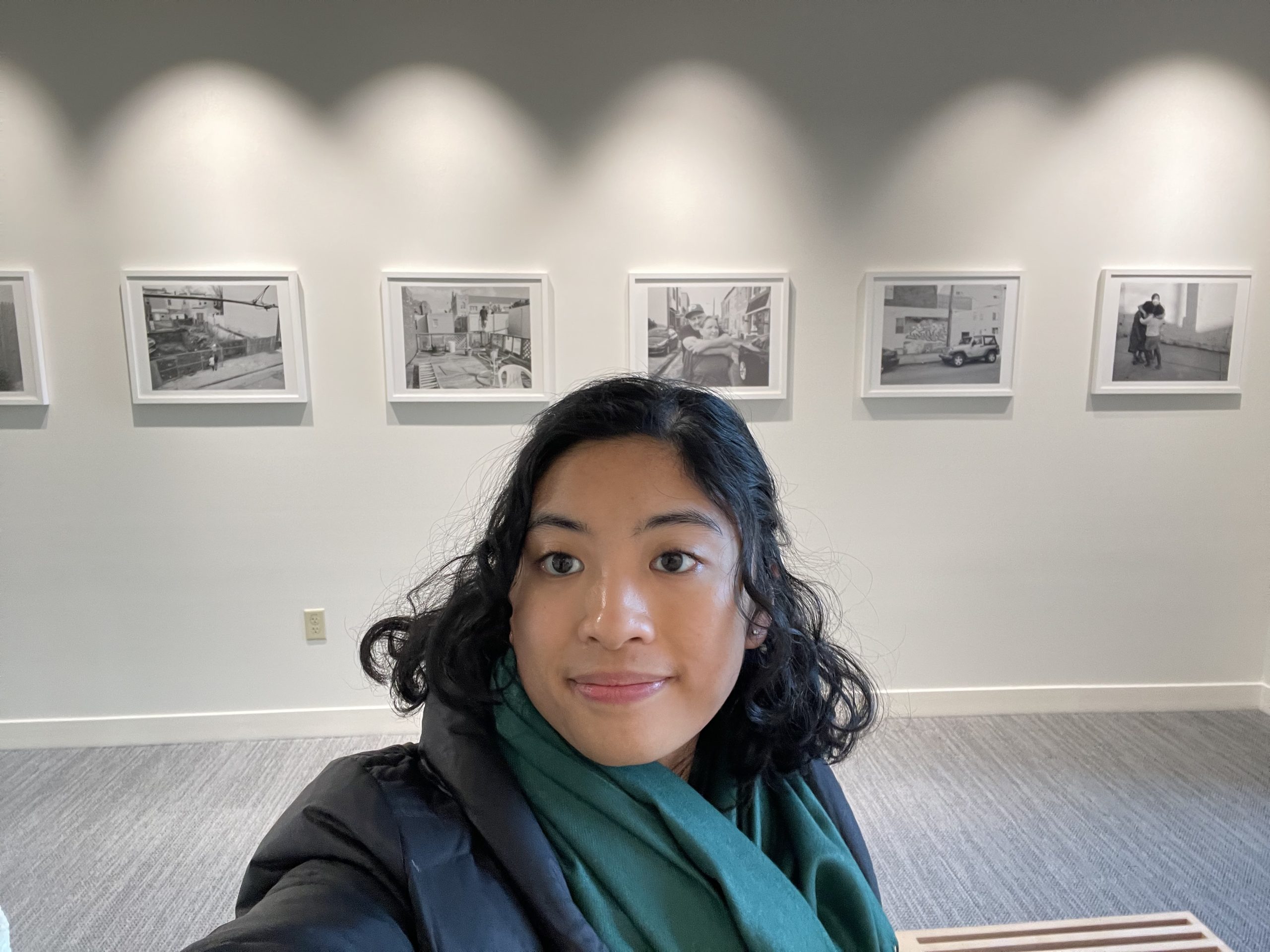
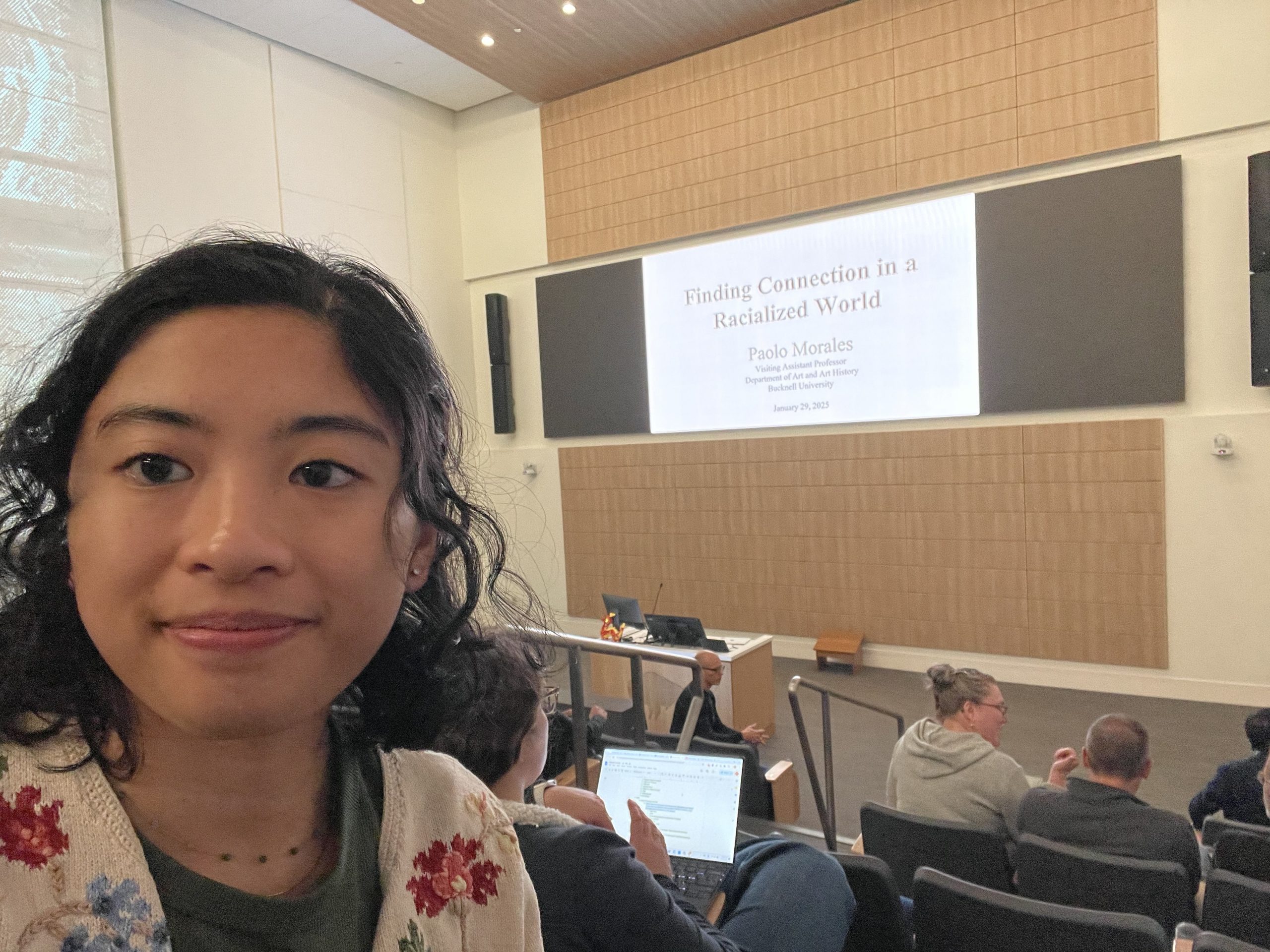
Title of Event: Paolo Morales Artist Talk & Opening Reception
Date & Time of Event: Thursday, January 29, 2025, 5:00pm
Location of Event: Hilsop Auditorium
Type of event: Artist lecture and reception